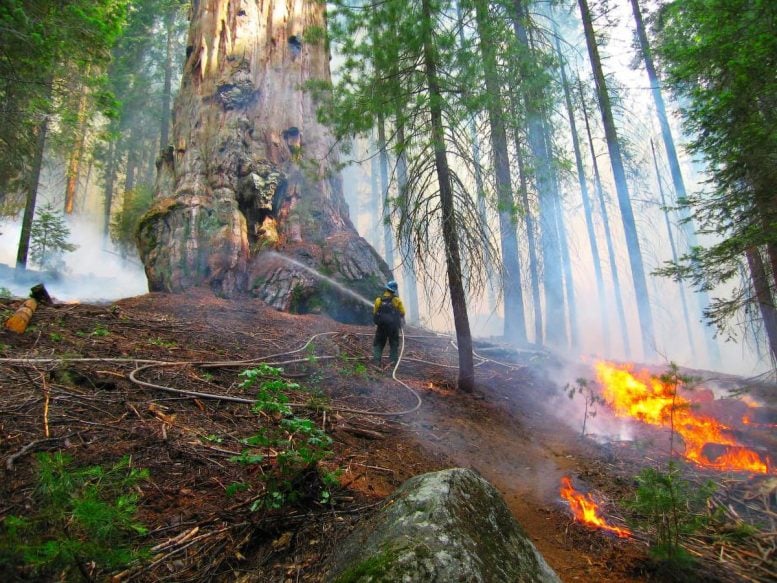
Controlled burns protect giant sequoias from wildfires
Prescribed burns reduced the odds of a giant sequoia dying in the recent wildfires by approximately 77 percent.
scitechdaily.com · 17 Sept
Ecosystems recovering, species returning, nature bouncing back. How does this lens work? →
Article headlines and summaries on this page are written by AI. How we work
Prescribed burns reduced the odds of a giant sequoia dying in the recent wildfires by approximately 77 percent.
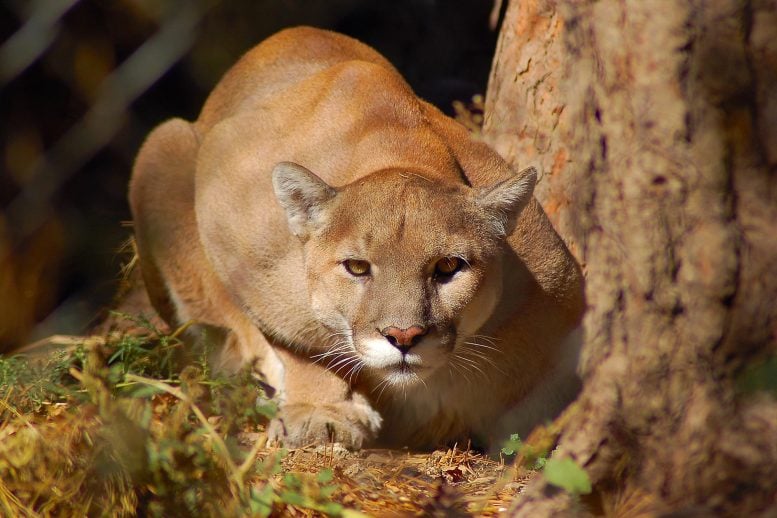
Researchers observed a drop in deer activity as mountain lion visits to Jasper Ridge Biological Preserve increased from 2015 to 2020.

Surrey Wildlife Trust introduced 30 water voles to a reserve, continuing a project aiming to bring back a species locally extinct since the early 2000s.

The value of ecosystem services in Songxian County, China increased by 19.4%, rising to 34.17 billion CNY in 2023.
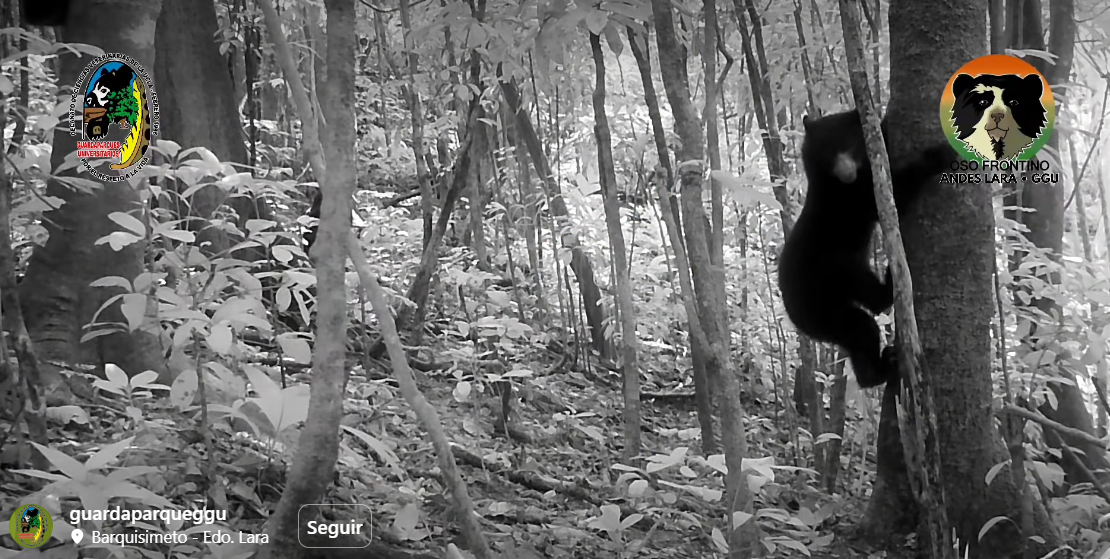
Monitoring cameras recorded the spectacled bear and her cubs exploring the Andean ecosystem, confirming their continued development since being first observed on March 18.

At least 80 griffons now fly in the Madonie Mountains, a significant increase from the 35 originally brought from Spain.
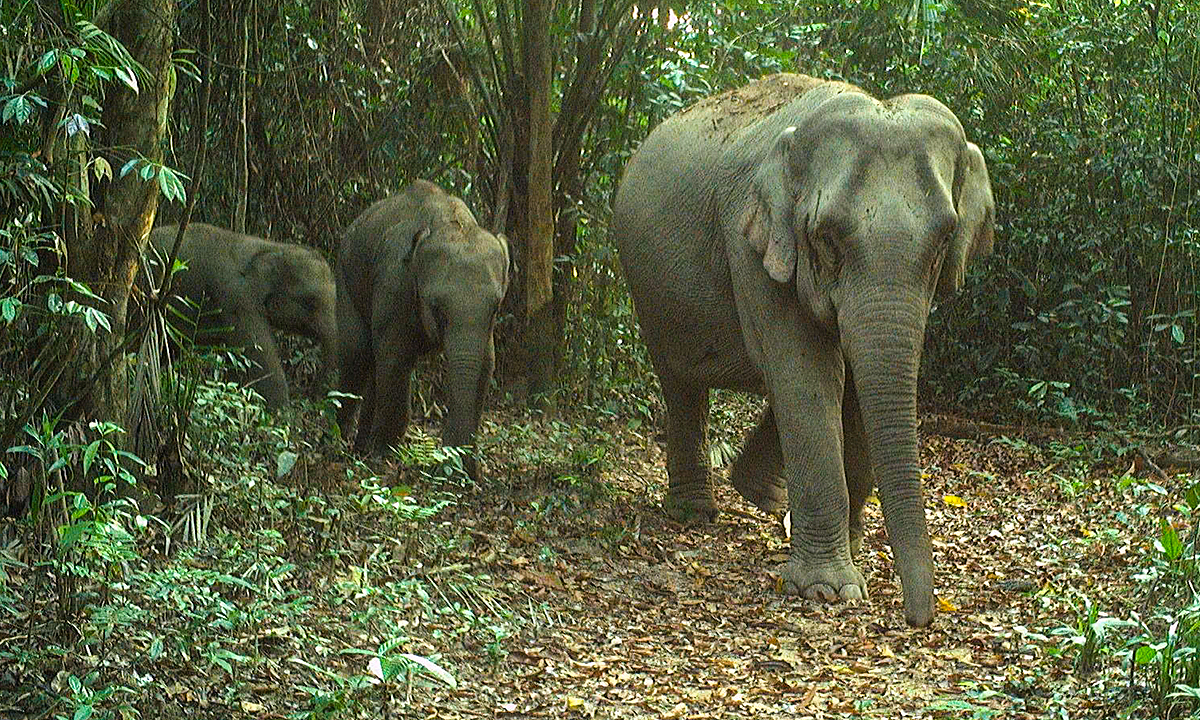
Camera traps in the Da Nang Special-Use Forest recorded a herd of nine elephants, including two calves under one year old.
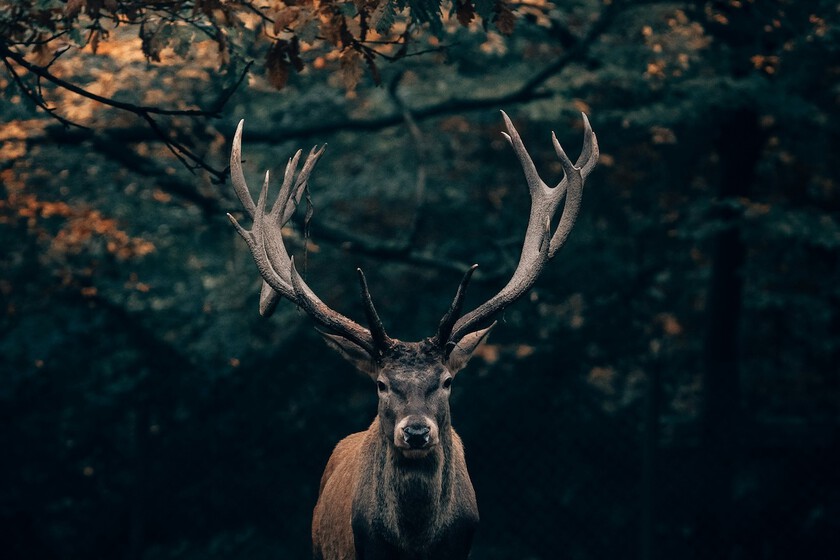
The elk population in Kentucky has grown to 13,000 individuals, becoming the largest herd east of the Rocky Mountains.
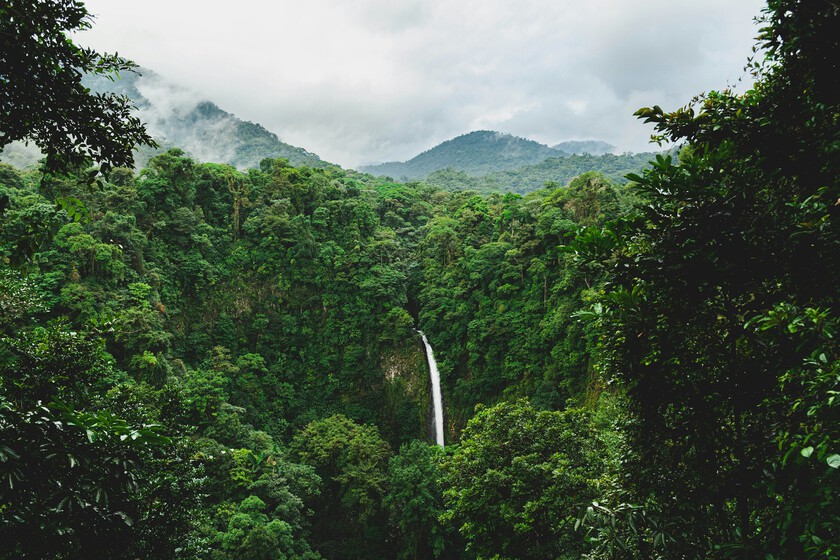
Costa Rica’s Payment for Environmental Services program has protected over one million hectares of forest, approximately one-fifth of the country, in 20 years.
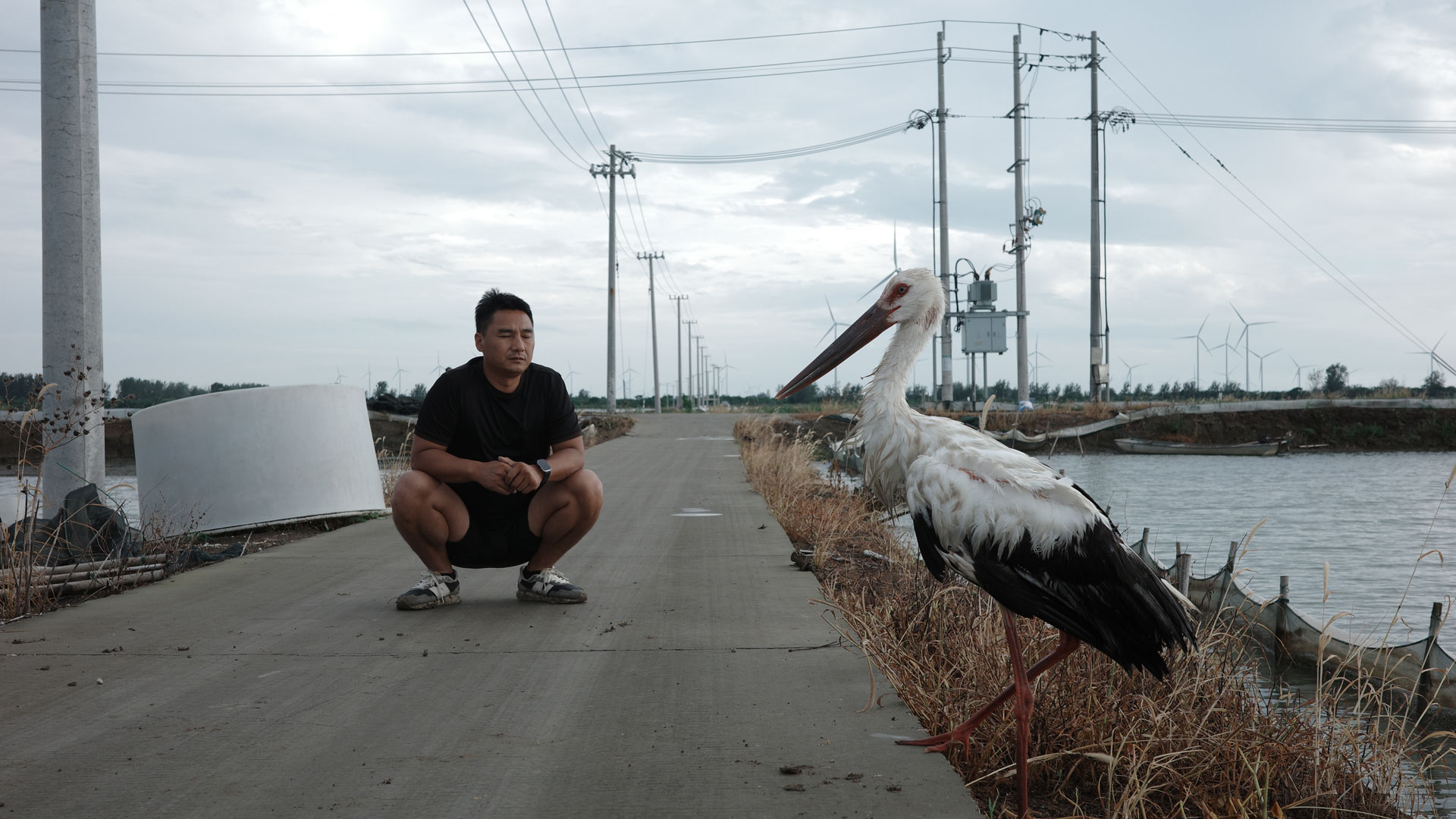
The flock of approximately 80 Oriental storks consumes around 2,400 crabs daily from Hu Dingsong’s farm, costing him between 30,000 and 40,000 yuan each day.

In just five years, 175 reintroduced king crabs in Puerto Morelos, Mexico consumed approximately 30 tons of algae.

This year’s dredge survey estimated a total of 349 million blue crabs in the Chesapeake Bay, a 46% increase over last year’s count.

Native bee abundance increased by more than 20 times at the two Minnesota solar farms after habitat restoration.

Brazil detected 238 square kilometers of deforestation alerts in the Cerrado in August 2026, the second-lowest amount since monitoring began in 2018.

Gibraltar created an artificial reef covering 4,799 square meters by sinking old barges in the early 1980s.

Households inside Vietnam’s biodiversity corridors earned approximately 25% more income than those outside, translating to $412 per hectare per year versus $330.
This year’s breeding season resulted in 90 new kakapo chicks, increasing the total population to 325 birds, a level not seen in 75 years.

More than 250 sheep and goats now work to control vegetation in Vilamòs, Spain.

Uzbekistan has planted saxaul and other salt-resistant species on 1.7 million hectares of the former Aral Sea bed.
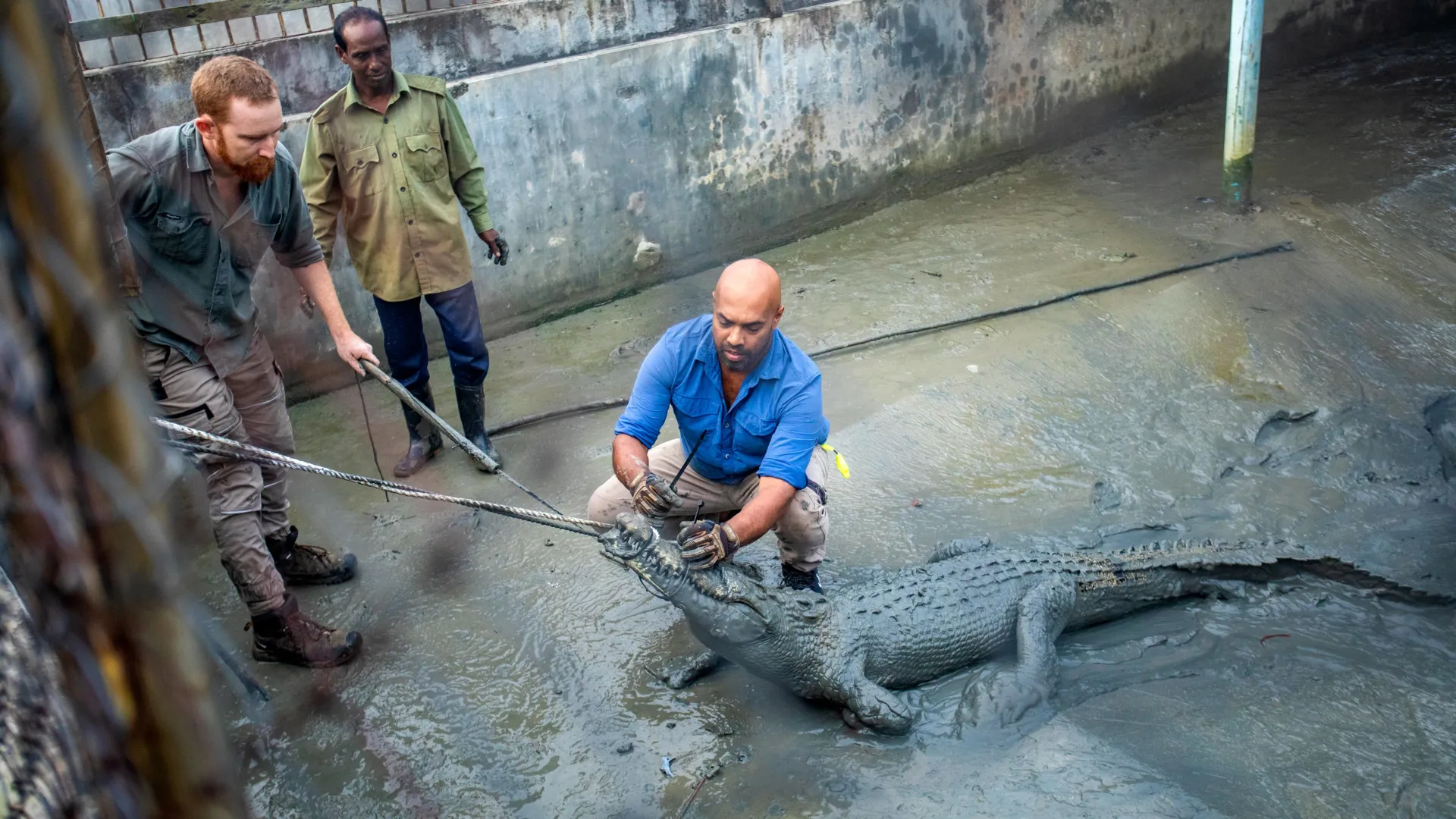
Researchers tracked a wild crocodile that traveled over 30 kilometers in a single day after being moved 132 kilometers from its original habitat.

More than 100,000 people watched a live stream of kākāpō during breeding season, observing their nesting and chick-rearing behaviors.

Scientists have recorded more than 200 butterfly taxa at Mount Mabu, but believe the true number could reach 250 species.

Austria now hosts 123 pairs of white-tailed eagles, equaling the population from their return 25 years ago.

Researchers identified approximately 38,000 fish representing 36 species during systematic surveys of fishways along the Inn River.

Researchers analysed more than 591,000 tracking-tunnel records collected across 13 conservation regions in New Zealand.

Underwater grasses now cover 89,385 acres in the Chesapeake Bay, representing a 7% increase from 2024.
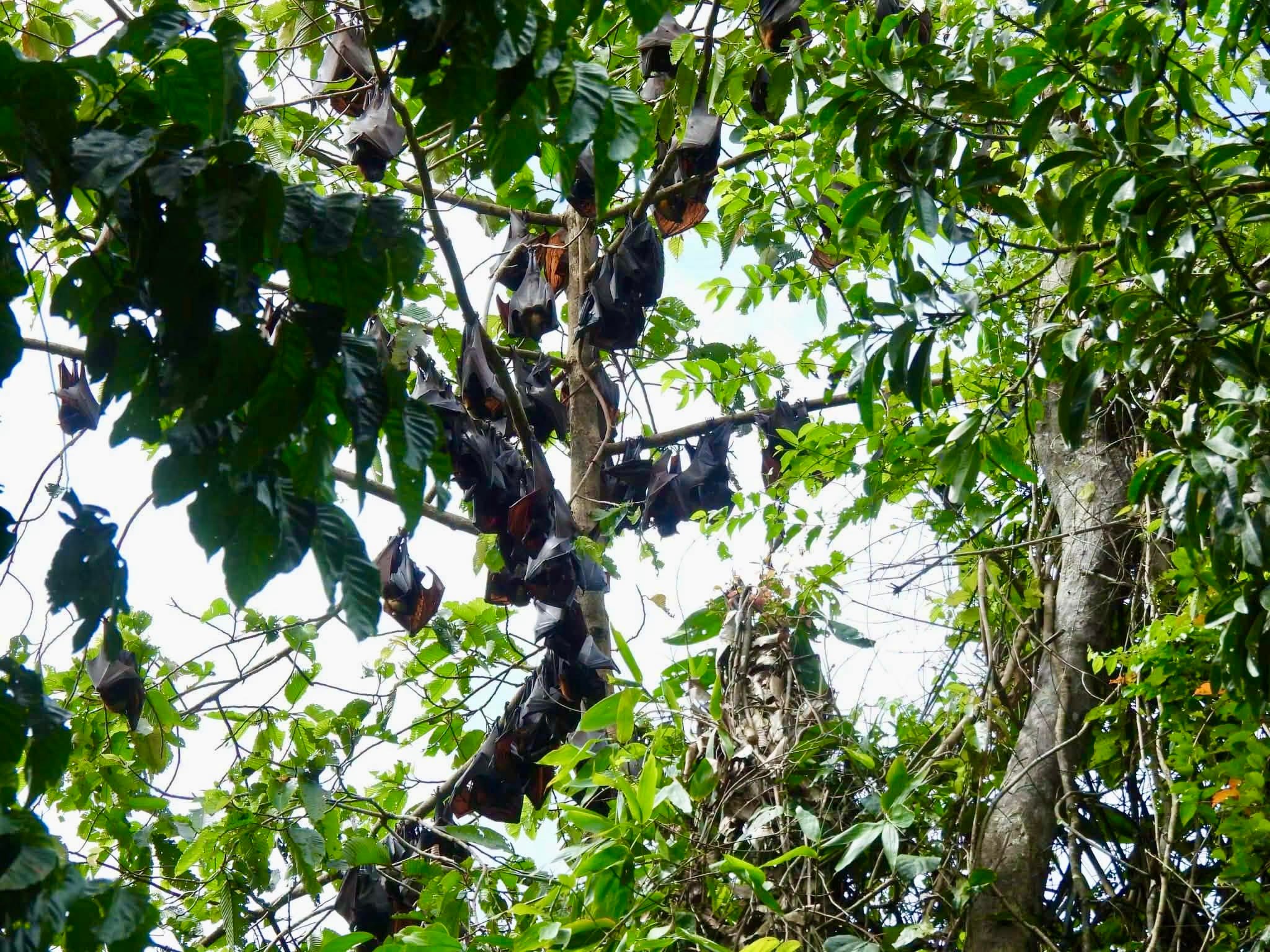
The monitoring team observed that the bats roosted with only one species per tree during the survey.

The 2025 lion population estimate identified 497 Asiatic lions living outside the traditional Gir core landscape, exceeding the number within the protected area.
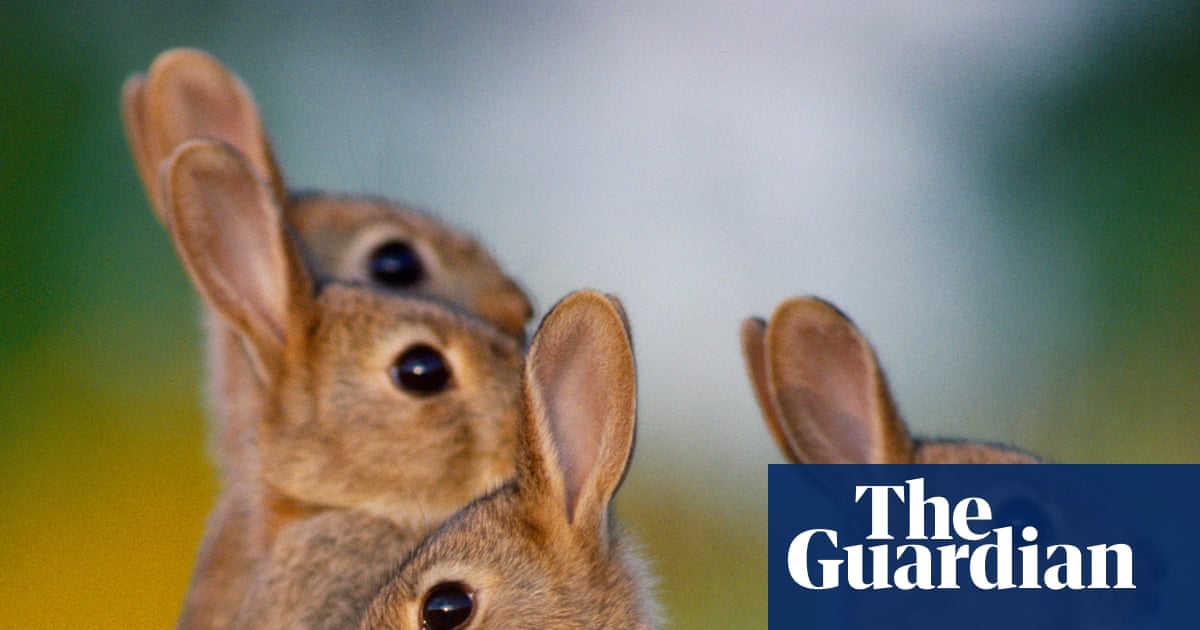
Jojo, a rabbit-detecting dog, runs up to 20 kilometers a day while working at Bon Bon Reserve in South Australia.

Jeevraj Shrimali and volunteers have reportedly removed more than five tonnes of waste from five ponds in Jodhpur over the past decade.

After 44 years, the 28 donkeys released in 1982 helped create an oasis in the Ramon Crater, a harsh desert environment in Israel.

The laurisilva forests of Garajonay National Park in La Gomera store up to 413.2 tons of carbon per hectare.

Forest cover in the Hutaimbaru ecological corridor shrank by over 1,700 hectares between 2004 and 2024, according to YEL data.

Researchers estimated that Madhya Pradesh had 81,734 square kilometers of potential wolf-occupied habitat in 2022.
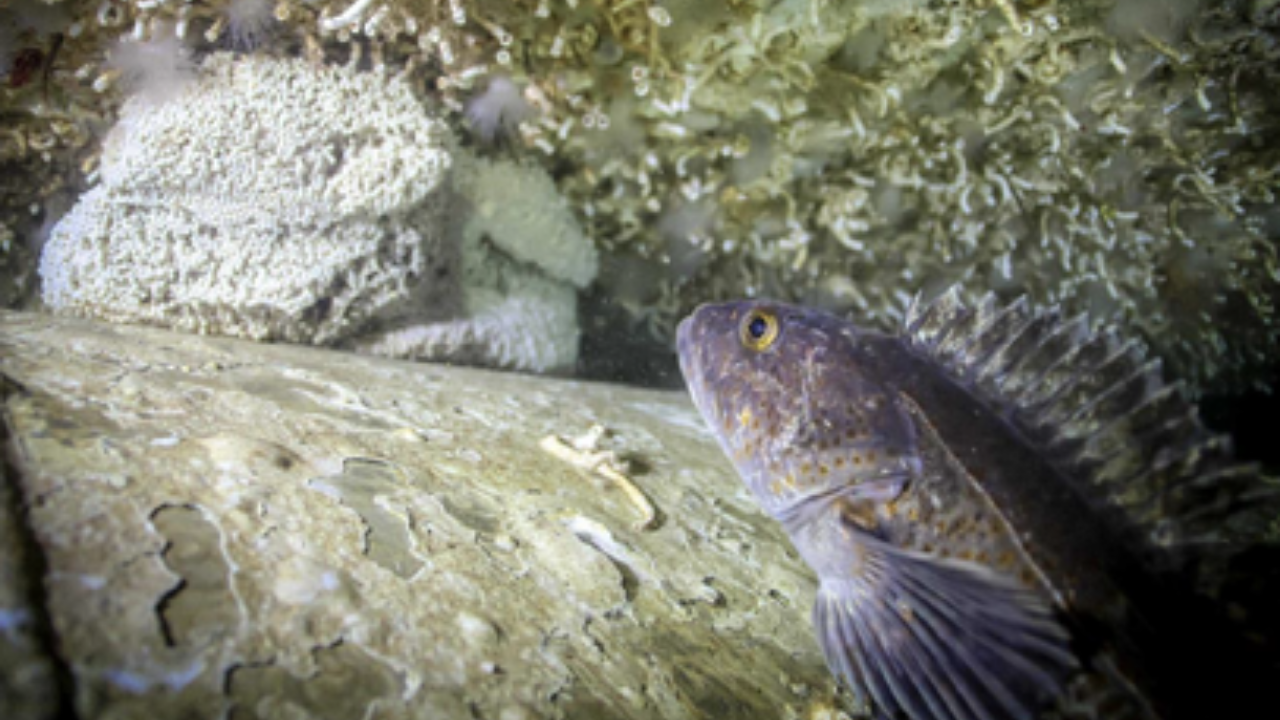
Divers recorded more than 170 marine species living on the wreck of the HMCS Annapolis five years after it was sunk.
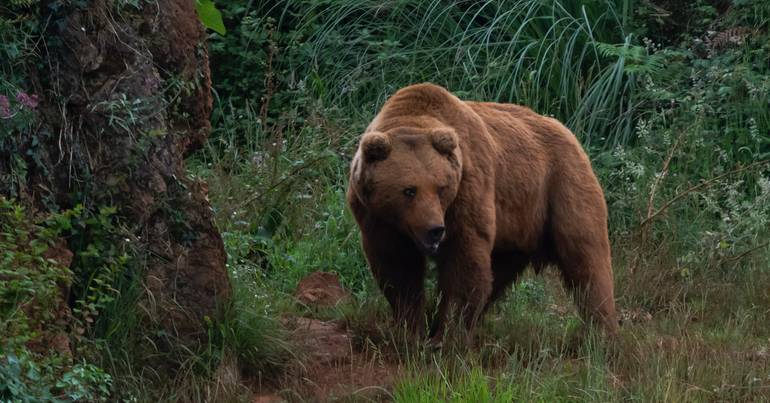
Fewer than 30% of brown bear cubs survive to live independently after their first year with their mothers.
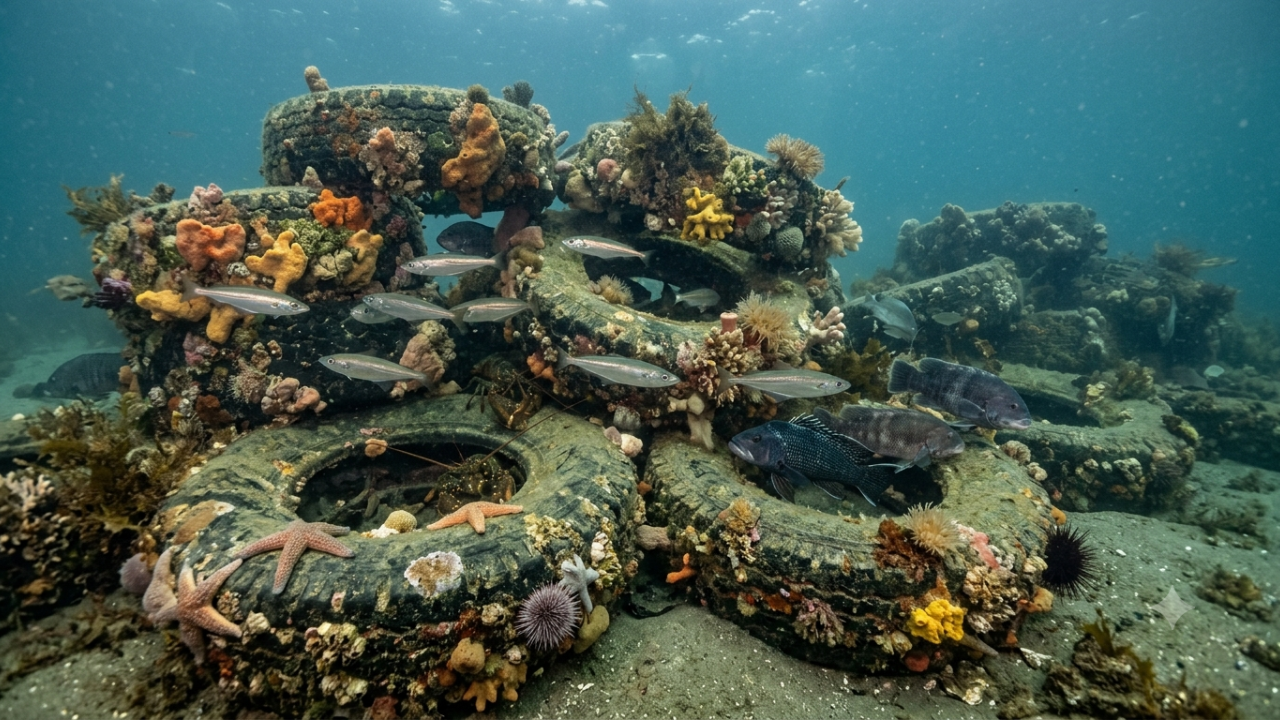
Fish appeared on camera at reef sites 93.4% faster than on unstructured seabed in a 2019 study.

The Cerro de Arcos reserve currently protects an estimated 80 to 110 mature blue-throated hillstar individuals.

Homegrown National Park has grown to over 52,000 registered participants who tend to more than 187,000 acres.

Formosa Wind Farm’s turbines attracted 86 reef-associated fish species within 50 meters of their foundations over eight years.
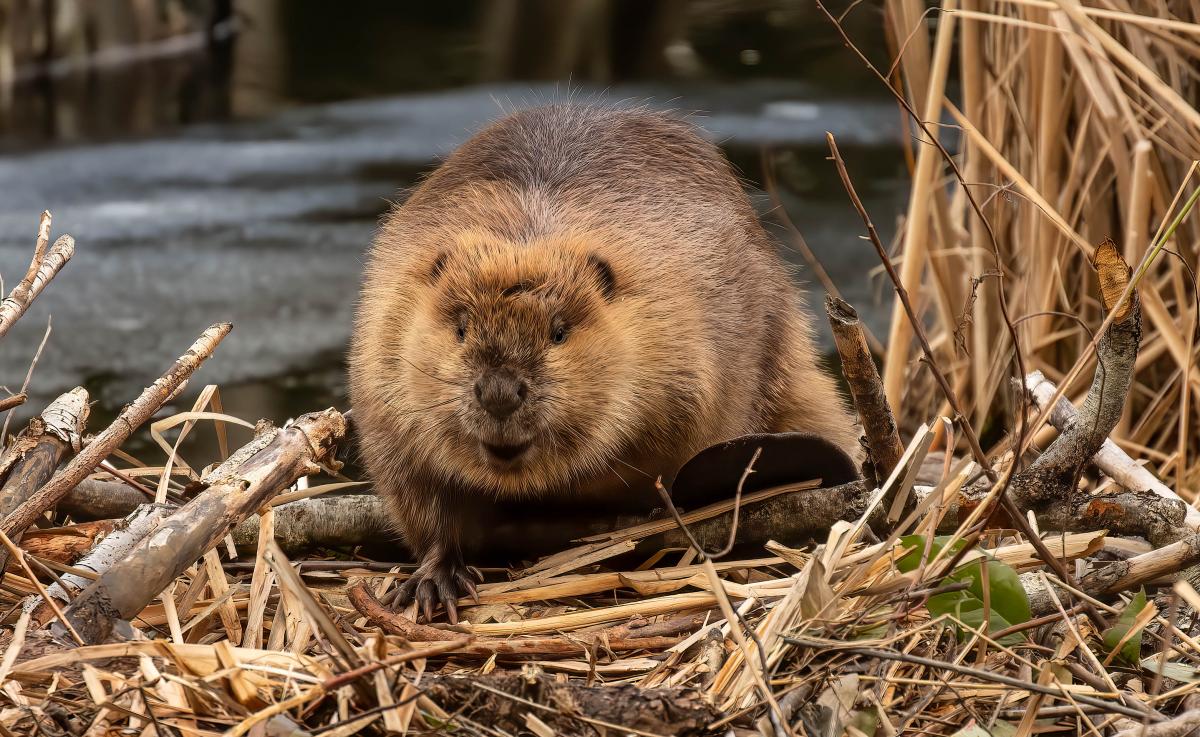
The beaver pair built a 35-meter-long dam within one year of arriving in their new habitat.
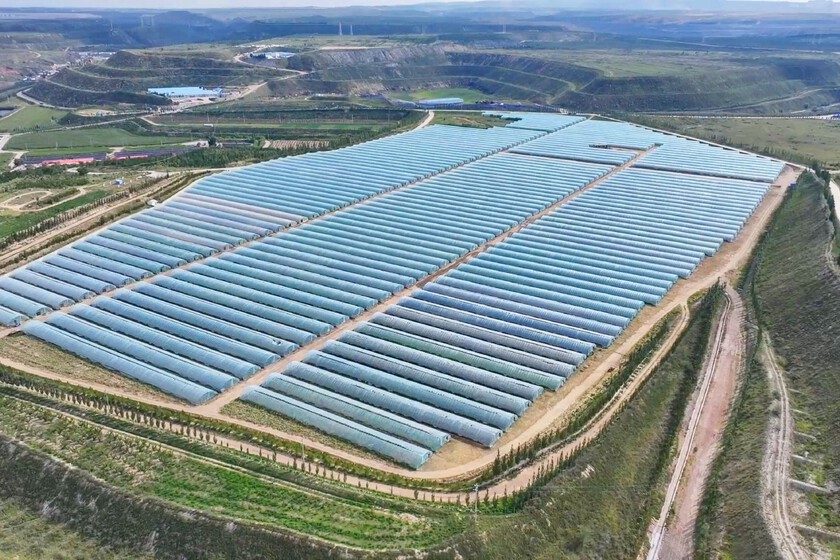
Authorities reclaimed around 933 hectares of land damaged by coal mining for agricultural use in the Dongsheng district of Inner Mongolia.

Peatlands hold more carbon than all the world’s forests, about one-third of global carbon stores.
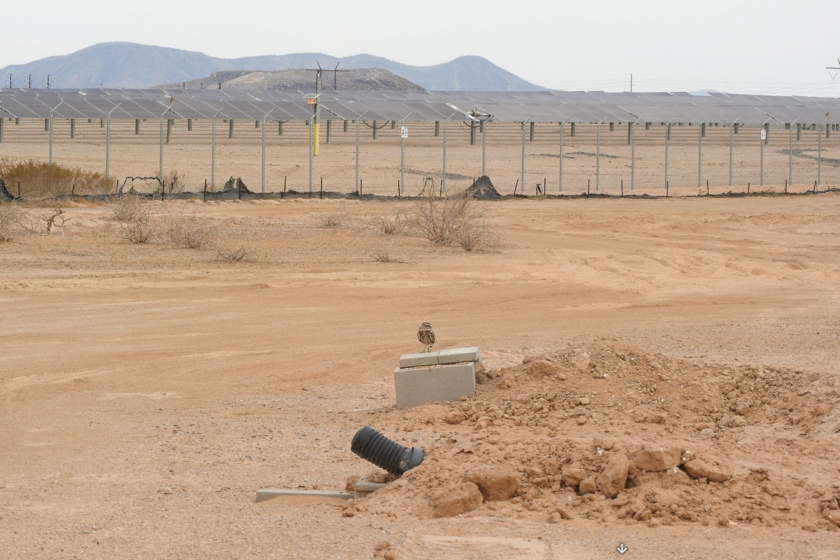
Researchers observed 36 burrowing owl hatchlings at the Sun Stream solar farm by the end of June 2025.

Volunteers recorded the highest number of seahorse sightings in Studland Bay since the pandemic, following a period of two and a half years with no observations.

Women in Rajasthan have scattered more than 150,000 seed balls across the Aravalli hills over the last eight years.
Wildlife officials confirmed the gray wolf sighting in Mendocino National Forest 15 years after the species’ reintroduction to California.
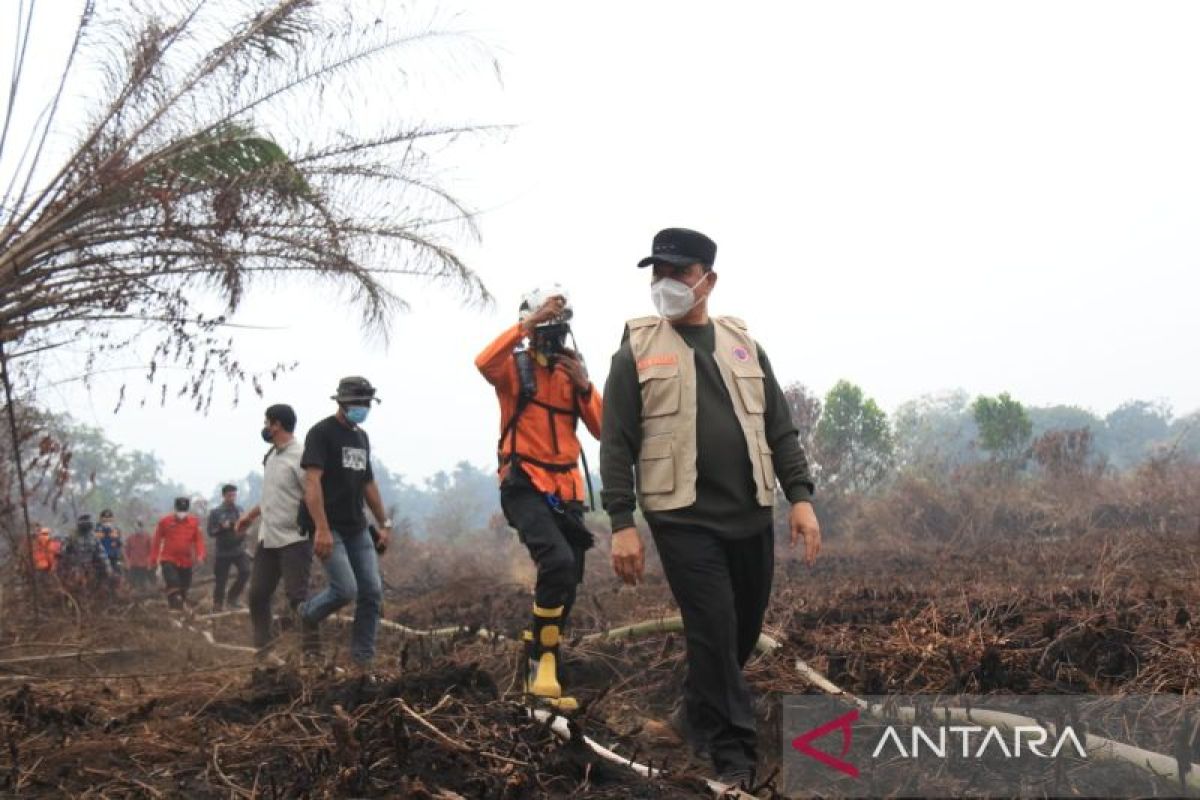
Monitoring data showed West Kalimantan reduced the number of hotspots from over 2,000 to around 156.