African mapping traditions shaped colonial era maps

Headline and summary by local AI
European explorers and soldier-surveyors relied on indigenous mapping practices to navigate and document the African continent during the colonial era.
Historians and researchers are identifying how African guides, interpreters, and merchants provided the primary geographical data used by Europeans to create early maps. While these traditions were often oral or temporary, such as drawing routes in the sand, they provided essential information for travelers.
For example, more than a third of Henri Duveyrier’s 1861 map of the Sahara relied on information from local sources. Military officers used this local knowledge to identify trade routes and locate leaders. Some explorers, such as Louis-Gustave Binger, recorded plans of towns drawn on the ground by interpreters. Other explorers used local information to debunk geographical myths, such as the non-existent Kong Mountains.
These local contributions accounted for 65 per cent of the routes on Jean-Baptiste Marchand’s map of the region between the Niger River and the Gulf of Guinea. The use of African mapping sparked internal debates among European geographers. Some cartographers refused to include local data because it did not meet their standards for scientific measurement. Others included it as dashed lines to indicate information based on hearsay.
Furthermore, some blank spaces on these maps were not the result of unknown territory but rather the refusal of African authorities to grant travel permits to Europeans. These hybrid maps, which combined European and African data, were later used at the Berlin Africa Conference of 1884-85 to divide the continent into colonies.
Selected and summarized by local AI How we work
Discovery: Archaeology, new knowledge of art, culture and history, forgotten history uncovered, something lost restored.
More in Discovery
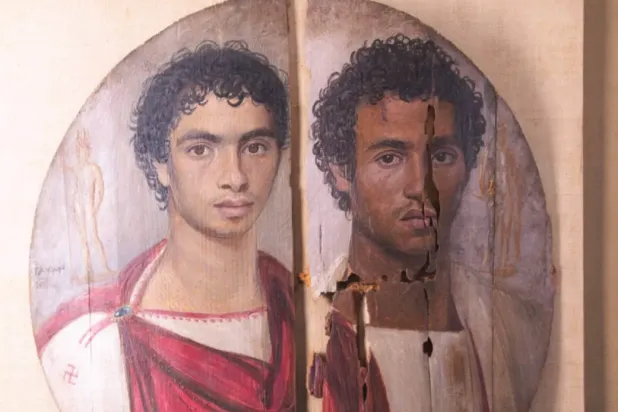
Egyptian fayum portraits exhibit opens in Rome to showcase cultural exchange
aawsat.com · 3 Nov 2026
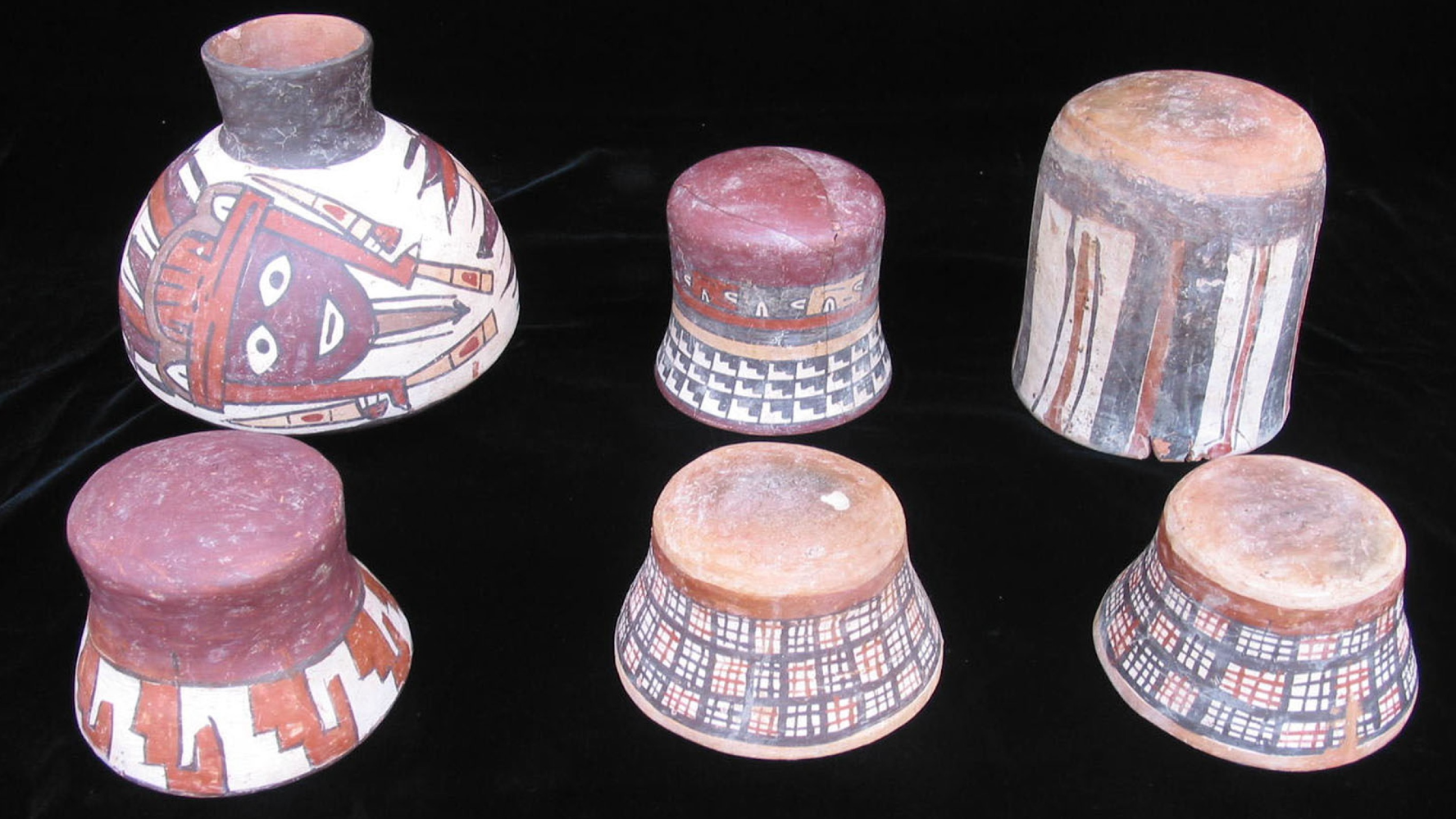
Archeologists find 1,600 year old infant with rare facial birth defect
livescience.com · 9 Nov 2026
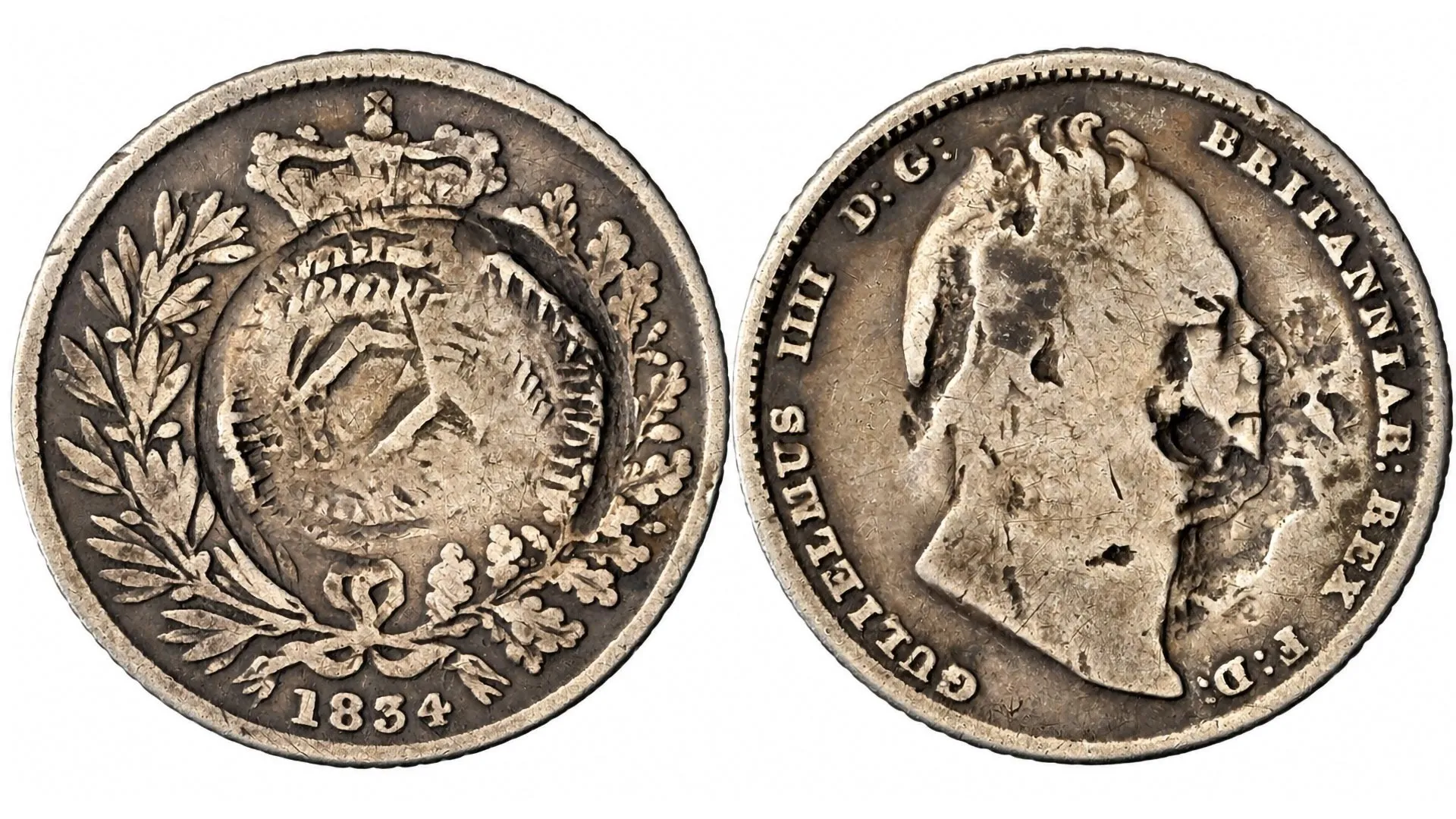
Scientists discover 19th-century manufacturing error in mangled silver coin
sciencedaily.com · 11 Nov 2026