Archeologists find 1,600 year old infant with rare facial birth defect
Headline and summary by local AI
Archaeologists in Peru discovered the skeleton of a female infant who lived with a rare birth defect over 1,600 years ago.
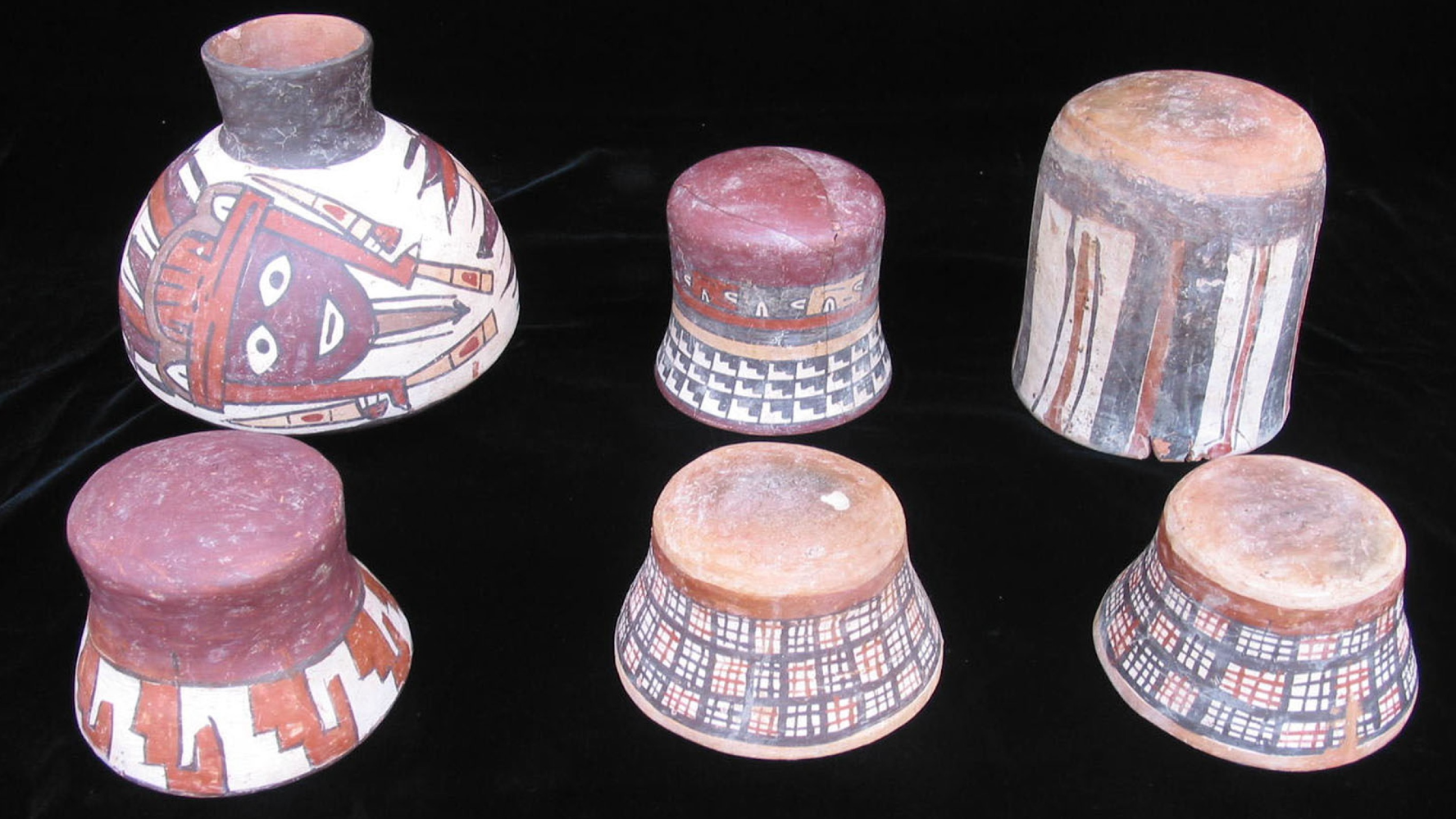
The remains were found at the Jauranga site in the Palpa Valley, a region known for the Nazca Lines, which are large geoglyphs etched into the desert floor. Researchers found the infant inside a ceramic urn alongside another female infant who showed no skeletal abnormalities.
The infant possessed a single central eye socket and a small skull, symptoms of a lethal condition called cyclopia. This condition occurs when the front part of a fetus's brain fails to divide into left and right hemispheres during development. Scientists used DNA sequencing to determine that the infant had an extra copy of chromosome 13, a genetic condition known as Patau syndrome, which is a common cause of cyclopia.
The research suggests the infant survived for several weeks or months after birth. Despite her profound physical differences, the burial method indicates that the Nazca community treated her similarly to other infants. Because she was placed in a standard ceramic urn in a regular cemetery without unique grave goods, researchers believe the community did not exclude her or provide a special burial due to her condition.
Selected and summarized by local AI How we work