Senegalese women drive rural economies despite obstacles
Summary and headline written by AI from the source article. How we work
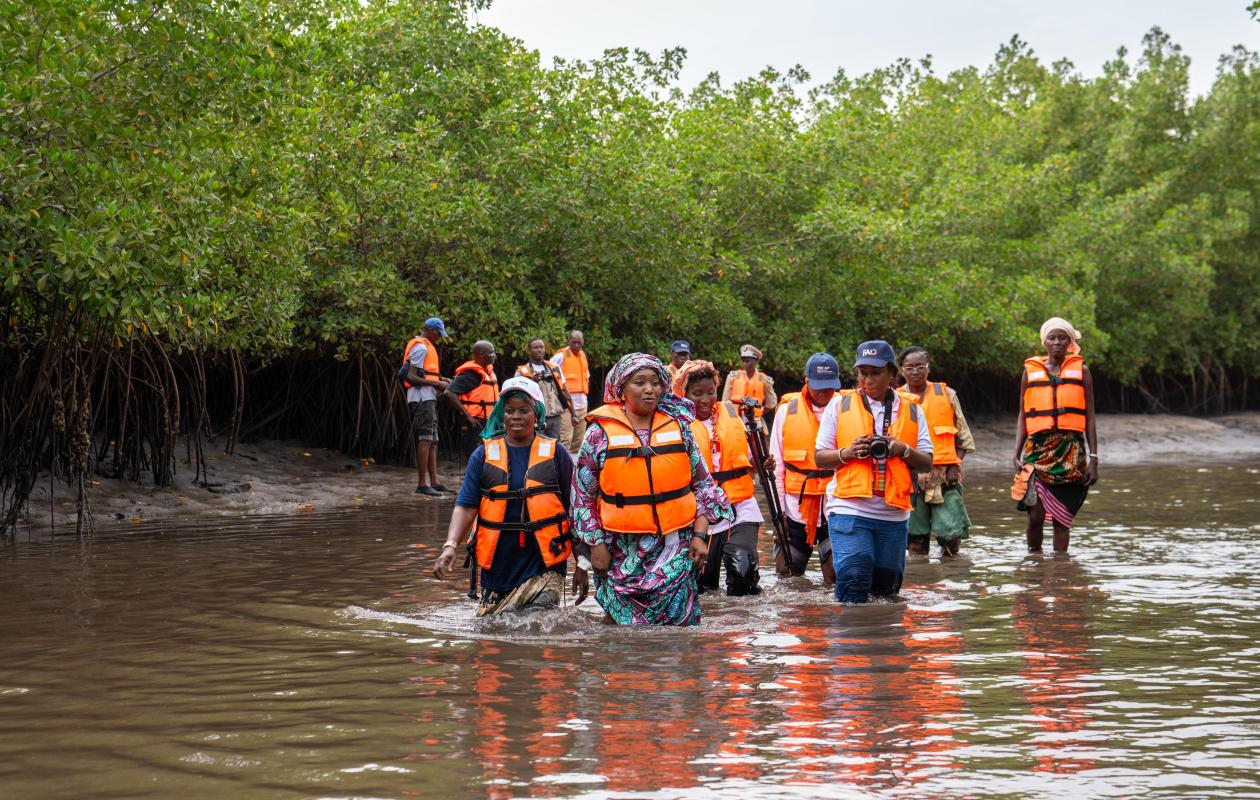
Across Senegal, from the Saloum mangroves to the arid Ferlo region, rural women are the primary force behind local economies and food security, though they face consistent challenges.
These women contribute significantly to their households, local markets, and biodiversity, but struggle with insecure land rights, limited access to water and infrastructure, and a lack of equipment. In Némabah, women working in the mangroves need storage and processing facilities.
In Gapakh, farmers have developed an efficient agro-ecological model combining fish farming, vegetable gardening, and animal husbandry, but face limited land availability. Women in the Ferlo region gather valuable forest products but lack the means to transform them. Gnilane Faye in Ndiémou owns land but lacks consistent access to water and electricity. These women aim to increase production, improve processing, receive fair prices for their goods, save money, educate their children, and contribute to household expenses.
They also seek to preserve ecosystems and move beyond subsistence farming. The Food and Agriculture Organization (FAO) provides training and funding, but lasting improvements require strong support from the Senegalese state, local governments, and local organizations. Securing land rights, completing infrastructure projects, improving storage, facilitating access to credit, and providing access to water and energy are all crucial.
Gnilane Faye exemplifies what is possible when land ownership is secured, as she currently supports her family and hopes to expand her farm to employ and train other women. Her success demonstrates that securing land is only the first step, as the entire value chain must be supported to achieve full empowerment.