Brazil's election focuses on violence against women
Summary and headline written by AI from the source article. How we work
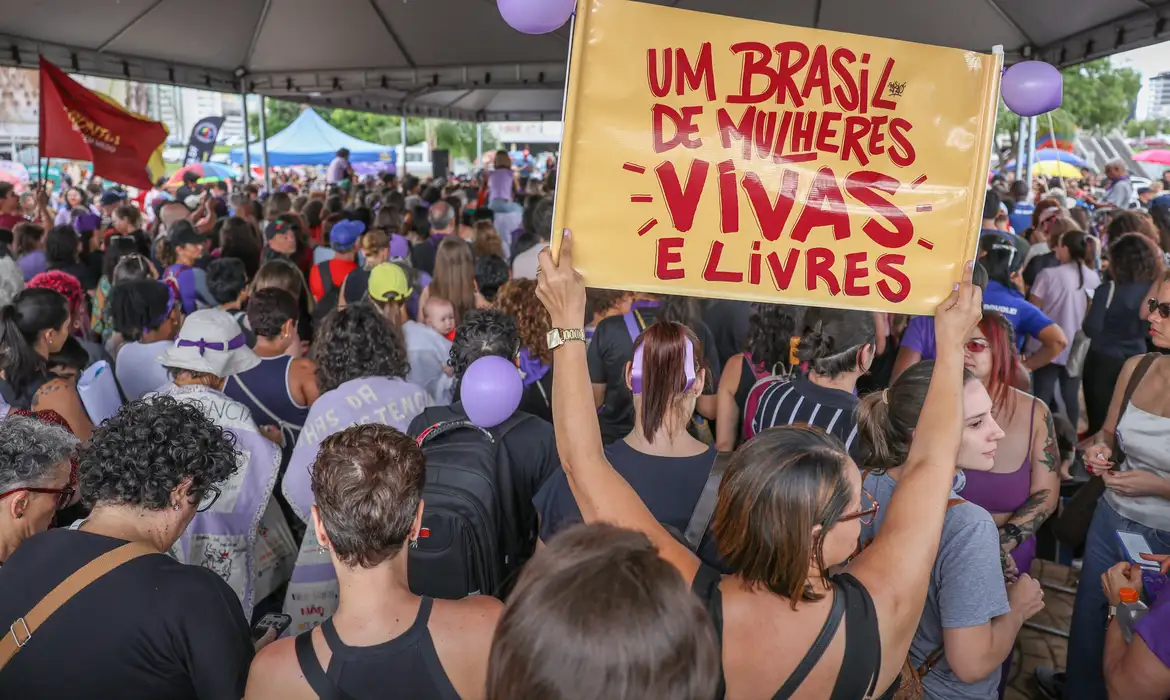
In Brazil, women represent a majority of the electorate, making the issue of violence against them a key topic in the 2026 elections.
Maria da Penha, a survivor of domestic violence, inspired Brazil’s main law for preventing and addressing family violence against women after enduring years of abuse from her husband, Marco Antônio Heredia Viveros.
Despite the law named after her and increased attention to the issue, rates of femicide in Brazil continue to rise, with 1,571 cases registered in 2025, a 4% increase from the previous year.
Experts point out that effective prevention requires addressing issues beyond police intervention, such as a lack of public services and support networks, especially in smaller towns and vulnerable areas, economic dependence that traps women in abusive relationships, racial and regional inequalities, and a system focused on punishment after violence occurs. The story of Marcielle, a 13-year-old girl on Ilha do Marajó in Pará, illustrates how violence can be deeply embedded in communities, with limited access to protection.
The case of Damares Alves, a former minister who made controversial statements about violence on Ilha do Marajó and failed to deliver promised resources, demonstrates how political rhetoric can clash with actual support for victims. Several organizations and experts emphasize the need for comprehensive policies that promote financial autonomy, challenge gender stereotypes, strengthen support networks, and address underlying social issues.
They argue that focusing solely on police response is insufficient and that a proactive approach, mapping and addressing risk factors before violence escalates, is crucial. Candidates are being urged to present plans that tackle the root causes of violence, not just react to its consequences, and to prioritize funding for preventative measures.