Archaeologists find large kidney stone in Bronze Age burial in Russia
Headline and summary by local AI
Archaeologists in Russia discovered the remains of a Bronze Age man who suffered from a large urinary stone caused by a chronic infection.
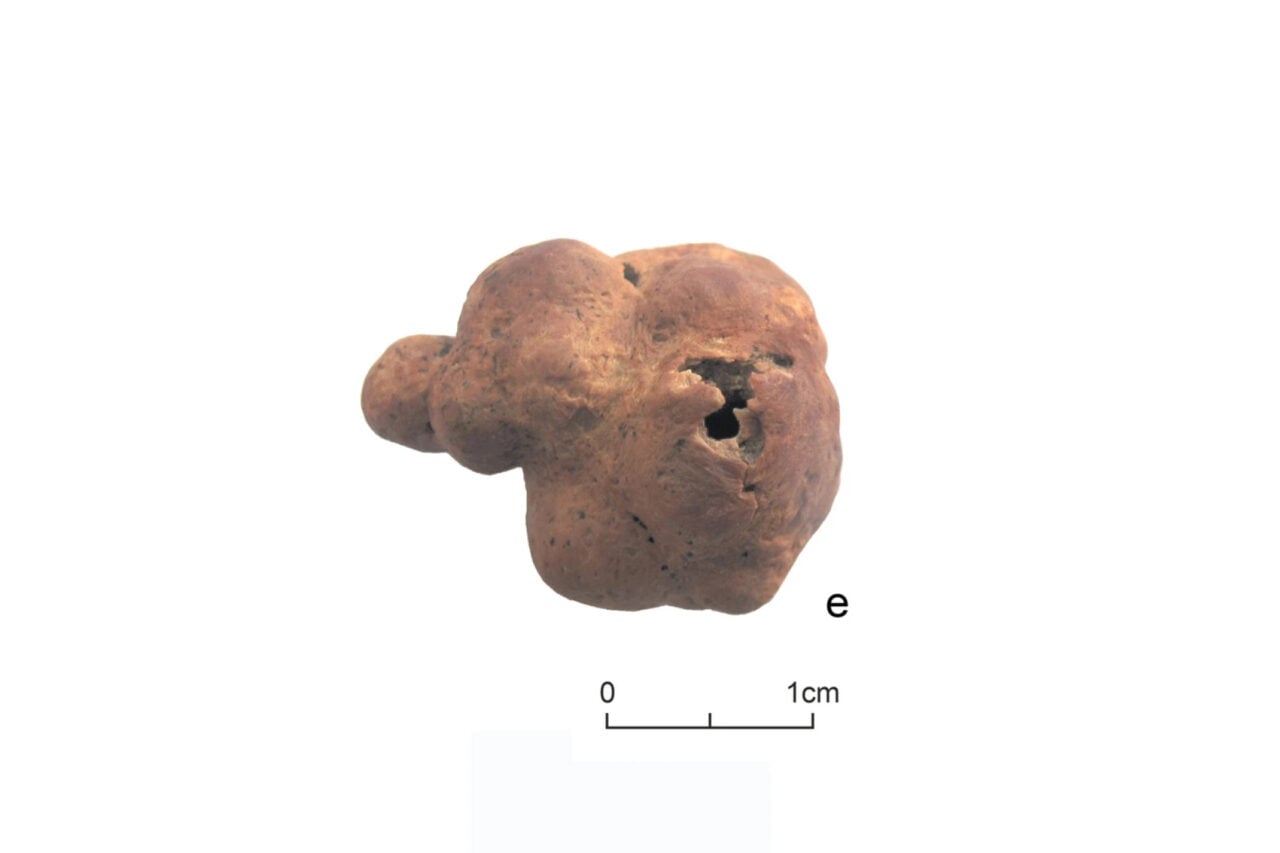
The researchers found the skeleton at the Ipatovo-5 cemetery near the town of Ipatovo in western Russia. The man was likely between 40 and 49 years old when he died. The team identified a brownish, rounded stone measuring about 0.8 by 0.7 inches.
Analysis of the stone revealed it contained whitlockite, a calcium salt associated with bacterial activity. This suggests the man suffered from a long term urogenital infection rather than a brief illness. The researchers believe this condition would have caused the man constant pain during his final years. Other evidence from the skeleton showed that the man lived a physically demanding life on the Russian steppes.
His bones displayed fractures, spinal deformations, and cysts around his hands and feet, which likely indicate he suffered from gout. While the team believes the stone originated in the upper urinary tract, such as the kidneys, they cannot confirm the exact organ because the mineral signatures are not organ specific.
Selected and summarized by local AI How we work


