Archaeologists find ancient cannabis evidence in Siberian burial site

Headline and summary by local AI
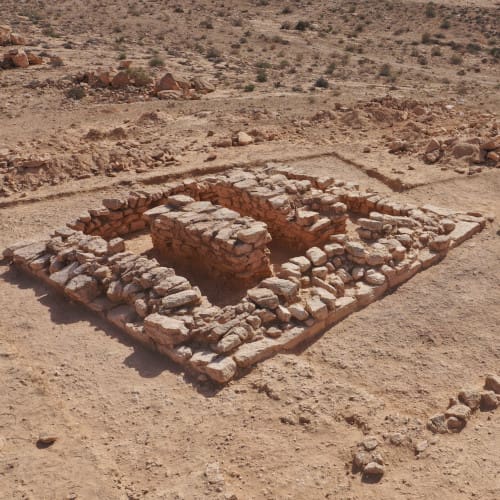
Archaeologists discovered more than 1,400 cannabis seeds in a monumental Scythian burial site in the Ujuk Valley of the Republic of Tuva, a region in Siberia.
The discovery includes remains from a burial mound nearly 140 meters in diameter, which contained the remains of elites from the Scythian culture, a nomadic group known for its horse-based warfare and gold craftsmanship.
Gino Caspari, a researcher at the University of Bern and the Max Planck Institute of Geoanthropology, led the study published in the journal Science. The team found traces of cannabis in the hair of the buried individuals. While the seeds may have been placed in the tomb as ritual offerings, the chemical traces in the hair suggest the people actually consumed the plant.
Caspari notes that while people used the plant for fibers and oils in antiquity, finding direct evidence of psychoactive use is rare because organic materials decompose quickly. The seeds date back to the beginning of the 8th century BCE, making them older than previous finds in the Near East or the Pamir Mountains of Central Asia. Genetic analysis of the seeds also provided the oldest known cannabis DNA.
The findings provide physical evidence for the horse-riding rituals described by the Greek historian Herodotus in the 5th century BCE, who wrote about nomadic communities performing ceremonial processions with sacrificed horses and people.
Selected and summarized by local AI How we work