Cave in Tenerife harbors isolated ecosystem for 27,000 years
Summary and headline written by AI from the source article. How we work
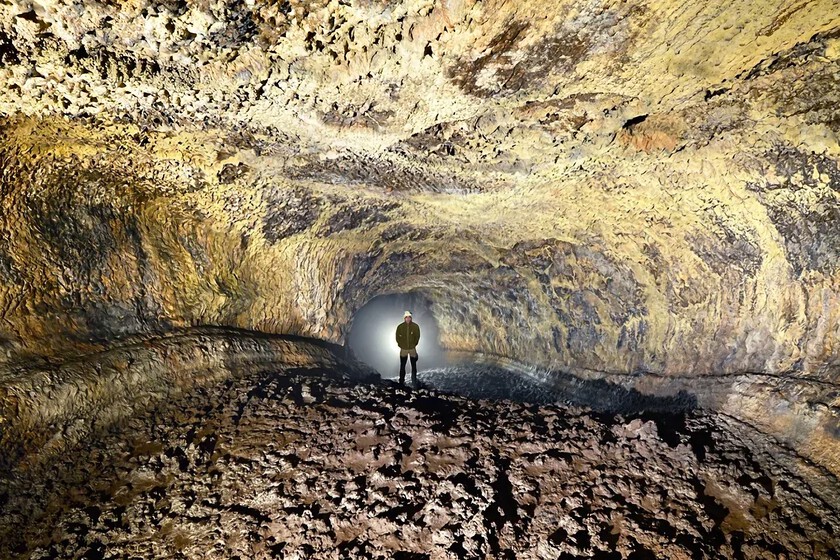
In Tenerife, Canary Islands, scientists discovered a unique ecosystem within the Cueva del Viento, a volcanic tube formed 27,000 years ago when a lava flow cooled.
The cave extends for 18.5 kilometers and contains several interconnected chambers. Researchers Pedro Oromí and Sergio Socorro identified 190 species of plants, animals, and fungi living inside, including 44 adapted to complete darkness and at least 15 new to science.
These cave-dwelling creatures, such as the blind cockroach Loboptera subterranea, have lost their sight and pigmentation, adapting to a nutrient-poor environment. Tenerife and neighboring La Palma host a high concentration of these subterranean species, nearly 130 in total, making the archipelago a global hotspot for troglobites, especially cave-dwelling grasshoppers. The Cueva del Viento has been known to humans for over 2,000 years, as evidenced by ancient Guanche burials found within its tunnels.
Today, the cave is open to visitors, with around 23,409 people from 63 countries exploring a limited section of the 18.3-kilometer network each year while researchers continue to study its unique lifeforms.