Strawberry guava: from food source to Invasive Species in Hawaii
Summary and headline written by AI from the source article. How we work
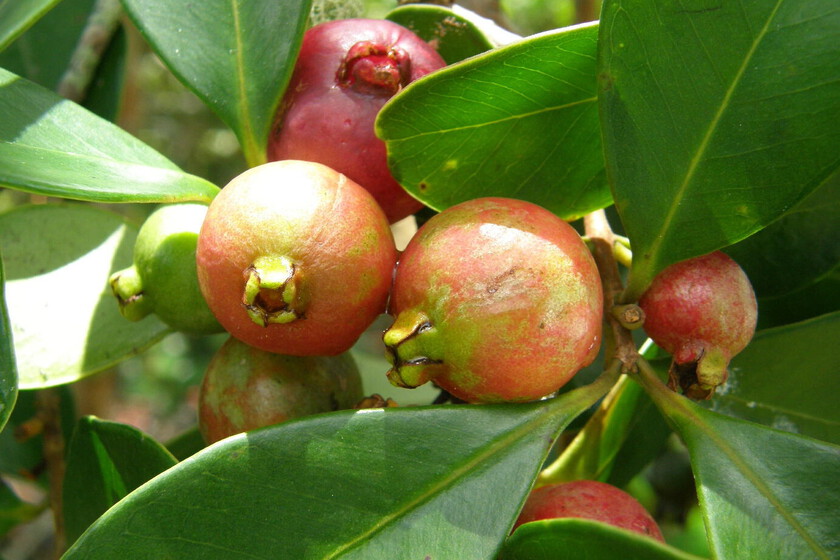
In 1825, people in Hawaii began planting strawberry guava ( Psidium cattleianum ), originally from Brazil, as a food source.
Two centuries later, the plant has become an aggressive invasive species that threatens the islands’ ecosystems. The guava spread quickly, adapting to diverse altitudes and rainfall levels. By 2021, it was considered the second most abundant species on the islands, altering the landscape and hindering the growth of native plants.
The University of Hawaii discovered that forests overtaken by guava lose 27% more water than native forests of ‘Ōhi’a lehua trees. Fallen guava fruit also attracts oriental fruit flies, a pest that damages over 400 types of produce. Authorities have been working for years to control the spread, finding that simply cutting down the trees doesn’t prevent regrowth. Currently, officials are using a natural control method involving Tectococcus ovatus, a scale insect from Brazil that feeds on the guava.
While not eradicating the trees, the insect helps slow their spread. Researchers also use drones to distribute the scale insect more efficiently, though the method isn’t as consistently effective as manual application with poles.