Nguni art exhibition reconnects people to their history
Summary and headline written by AI from the source article. How we work
James Green, curator of African art at Yale University Art Gallery, organised the exhibition Nguni: Migrant Nations of Southeast Africa to showcase 150 artworks from the 19th and 20th centuries.
The Nguni people, whose name originally designated a Bantu language spoken by about 45% of South Africans, share a history rooted in migrations and the consolidation of kingdoms in southeast Africa, extending as far north as Malawi and Tanzania.
Green developed the exhibition from research into historical beadwork and the acquisition of a collection previously held by the African Bank, ensuring its preservation at Yale. The exhibition differs from previous displays by framing the art through a cultural and geographical lens that acknowledges the diversity within Nguni communities. Many objects reflect the Nguni’s nomadic lifestyle connected to cattle herding, prioritizing portability and multifunctionality, a knobkerrie (club) in the exhibition also serves as a snuff container.
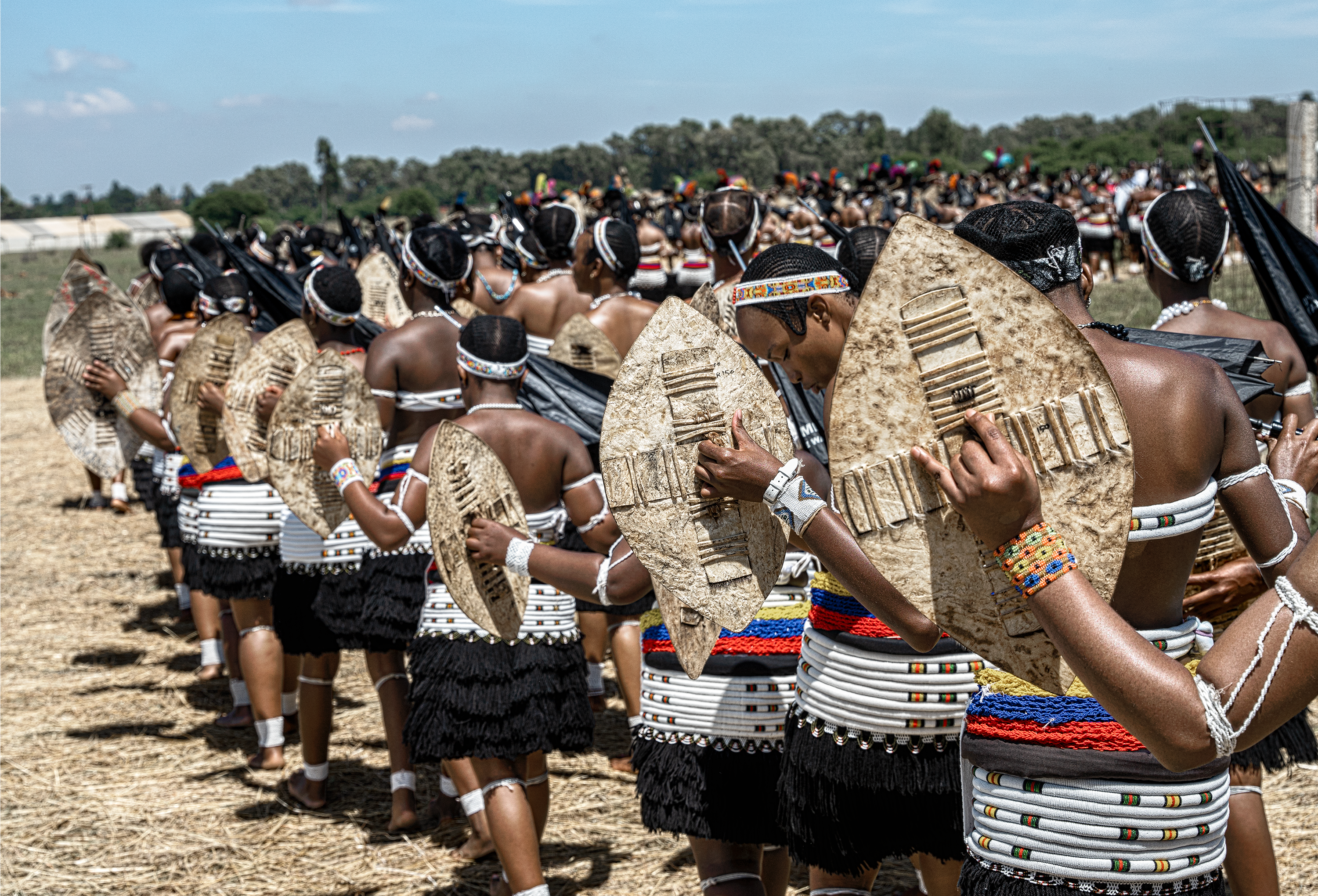
The designs often draw inspiration from nature and carry layered meanings, for example, raised motifs on objects may represent wealth in cattle or reference the female body. Green hopes the exhibition will move beyond simply viewing the objects as ethnographic specimens and instead ask questions about their creation, use, and artistic history. He collaborated with South African photographer Jabulani Dhlamini, who documented contemporary Nguni life to connect the historical objects to living practices.
A reconstructed isibaya (cattle enclosure) at the heart of the exhibition, built with posts provided by the late Ngoni king Mpezeni IV, symbolises the exhibition’s collaborative spirit and the ongoing legacy of Nguni culture.