Scythian nomads used cannabis in rituals 2,800 years ago
Headline and summary by local AI
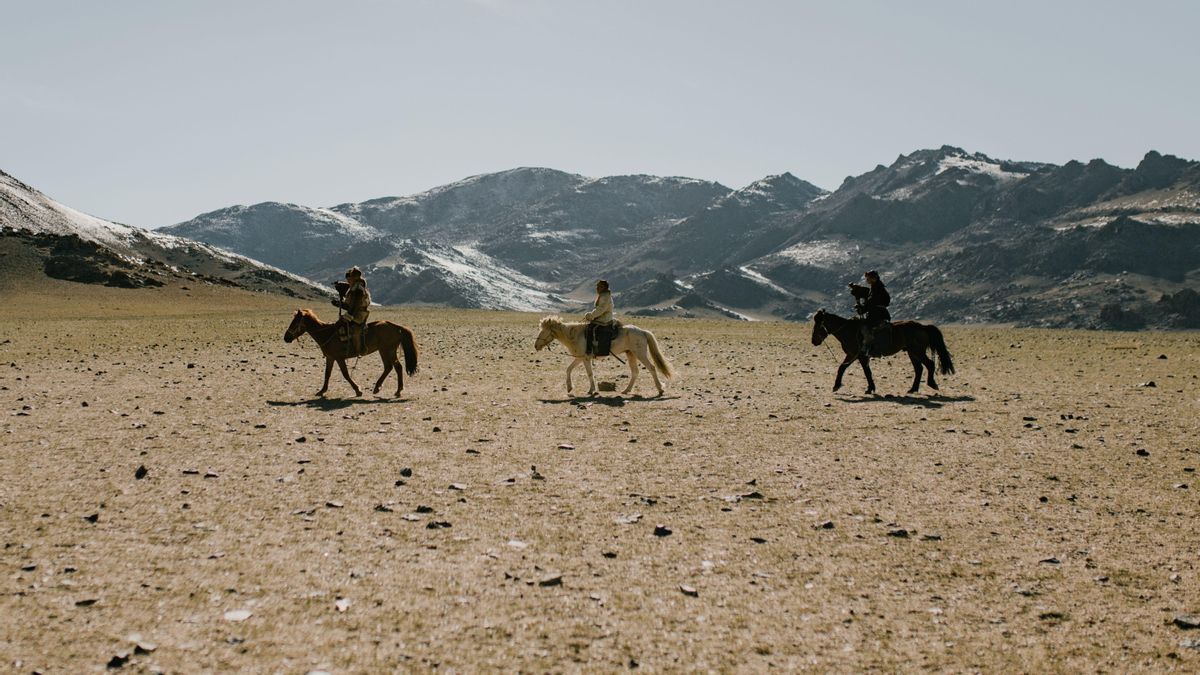
Researchers from the University of Bern and the Max Planck Institute of Geoanthropology discovered evidence of cannabis use by Scythian nomads in the Uyuk Valley of southern Siberia.
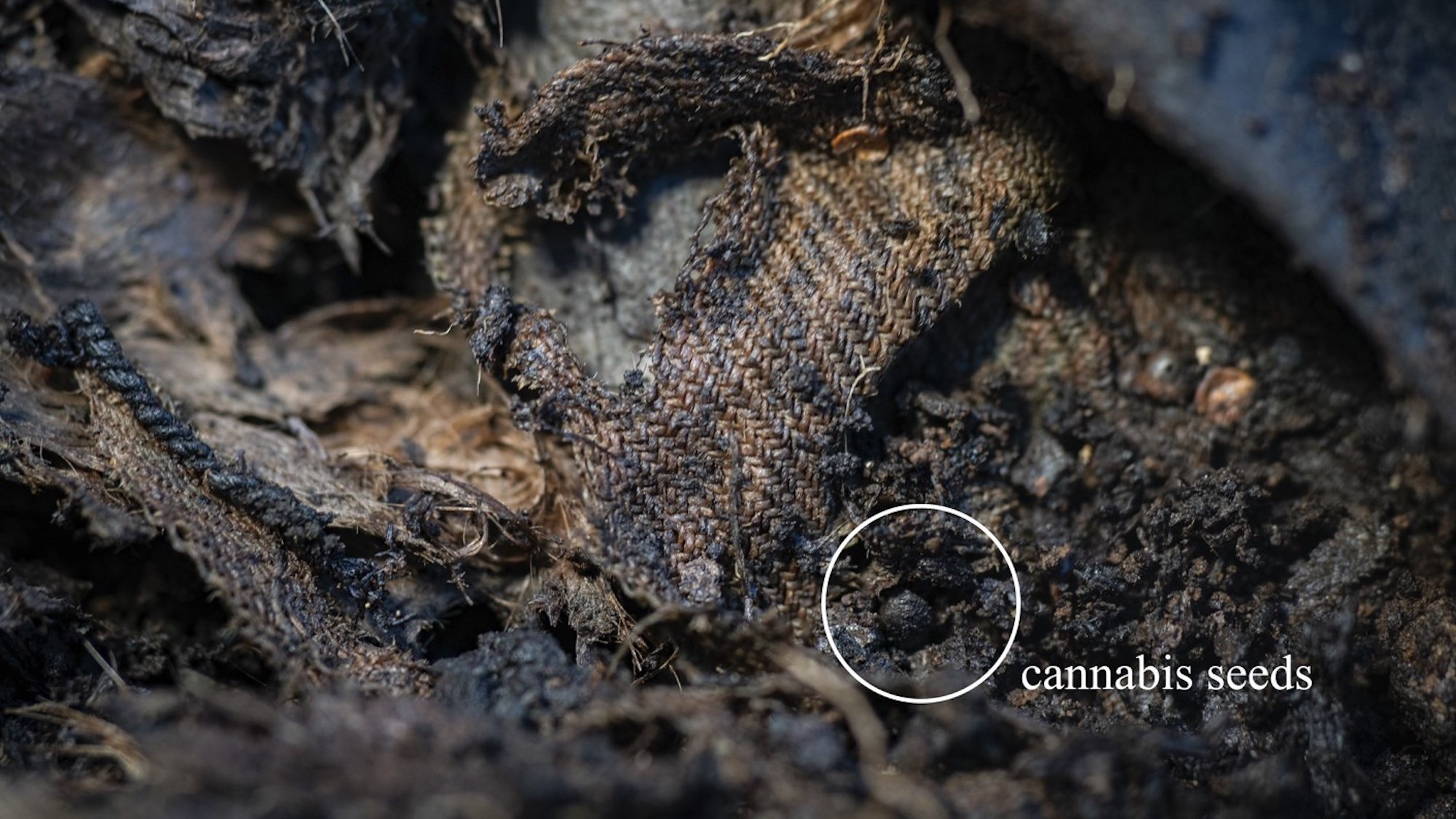
The team analyzed a princely tomb belonging to high-ranking members of the Scythian society, which lived in the Republic of Tuva. The team found approximately 1,481 cannabis seeds and fragments inside the burial site.
Radiocarbon dating of six of these seeds placed them in the tomb at the beginning of the 8th century BC. While the researchers found evidence of extensive sacrifices of horses and possibly humans, they specifically identified molecular traces of cannabinol in a preserved human hair from the central burial chamber. Gino Caspari, the lead archaeologist on the study, stated that these molecular traces suggest the Scythians used the plant for its psychoactive properties during burial rituals.
The study, published in the journal Science, provides the oldest direct evidence of such use. However, the researchers noted that the hair samples do not reveal the exact amount consumed or whether the individuals inhaled or ingested the substance. Marga Sánchez Romero, a professor of Prehistory at the University of Granada, offered an alternative perspective. She suggested the nomads might have used cannabis medicinally to treat pain from battles or injuries rather than for ritual purposes.
She compared this to historical examples where plants were included in burials to provide comfort during difficult moments, such as childbirth.
Selected and summarized by local AI How we work