Archaeologists find Oldest evidence of cannabis use in a 2,700-year-old tomb
Headline and summary by local AI
Archaeologists from the University of Bern discovered a royal Scythian tomb complex in Tuva, a republic in southern Siberia, containing evidence of ancient cannabis use.
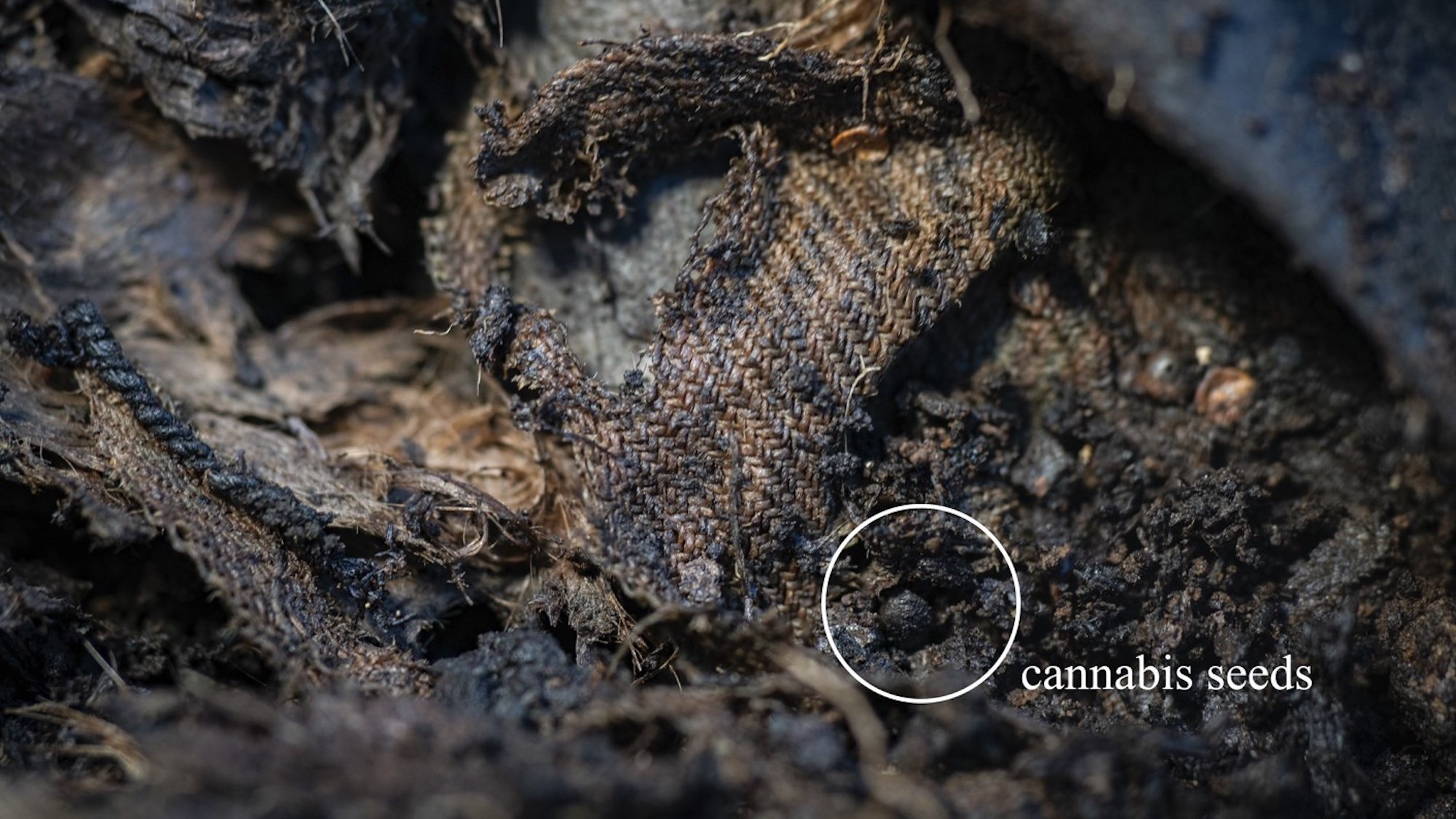
The Scythians were a nomadic group of horseback riders from eastern Iran who moved into present-day Ukraine and southern Russia starting in the eighth century BCE. The team found approximately 1,000 cannabis seeds intentionally placed among the dead in the burial chamber.
Gino Caspari and his colleagues analyzed human hair samples from the central burial room using high-resolution mass spectrometry. The analysis revealed traces of cannabinol (CBN) and tetrahydrocannabinol (THC), which suggests that the Scythian royals consumed the plant for its intoxicating properties. While researchers do not know the exact amount consumed or the specific methods used, other sites in Central Asia show chemical remnants on heated stones, which may indicate inhalation.
The seeds in the tomb were dated to the early eighth century BCE through radiocarbon dating. Because plant parts like leaves and resin usually decompose, the seeds survived because the tomb provided a protected environment. Researchers believe the Scythians used wild variants of the plant that grew naturally in the region. The team is currently sequencing the DNA from the seeds to study the spread and domestication of the plant.
Selected and summarized by local AI How we work
Discovery: Archaeology, new knowledge of art, culture and history, forgotten history uncovered, something lost restored.