Booker winner Deepa Bhasthi criticizes artificial intelligence in translation
Summary and headline written by AI from the source article. How we work
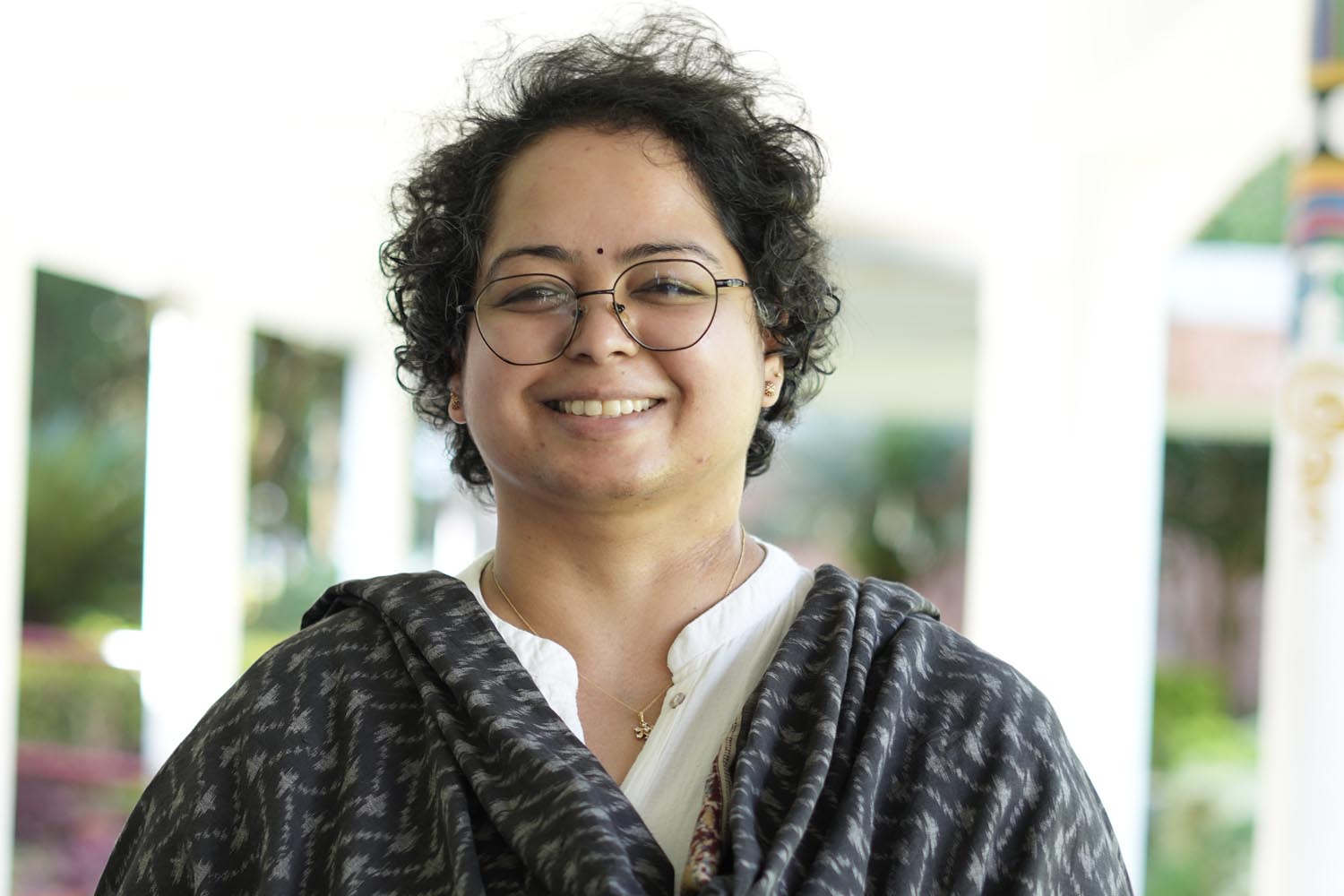
International Booker Prize-winning translator Deepa Bhasthi led a literary translation workshop in Kathmandu, Nepal, with writers and translators working in Nepali, Maithili, Tibetan and Nepal Bhasa.
The workshop, a collaboration between Kathmandu University and the University of Chicago’s South Asian Literature in Translation program, followed Bhasthi’s 2025 win for translating Banu Mushtaq’s ‘Heart Lamp’ from Kannada, making her the first Indian translator to receive the award.
Bhasthi explained that translating Mushtaq’s work required extensive cultural research, which she termed “method translation,” to understand the experiences of Muslim women under patriarchal systems. She emphasized the importance of preserving the “soul, musicality, and rhythm” of the original language, advocating for translations that retain a distinct “accent” rather than striving for perfect naturalness in English.
Bhasthi believes translators are primarily responsible to the language itself, navigating conflicts between the original writer, reader, and text to best convey the linguistic culture. She also noted a lack of translated South Asian literature available to international audiences, stating that increasing the number of translations is essential for greater cross-cultural exchange.
Bhasthi expressed strong disapproval of artificial intelligence in literary translation, arguing that AI lacks the emotional depth and critical thinking necessary to accurately interpret literary texts and that relying on machine translation insults human intelligence. She urged young translators to prioritize critical thinking, reading widely, especially South Asian literature, and listening more than speaking.