Delhi Metro ridership nears record high as vehicle ban takes effect
Headline and summary by local AI
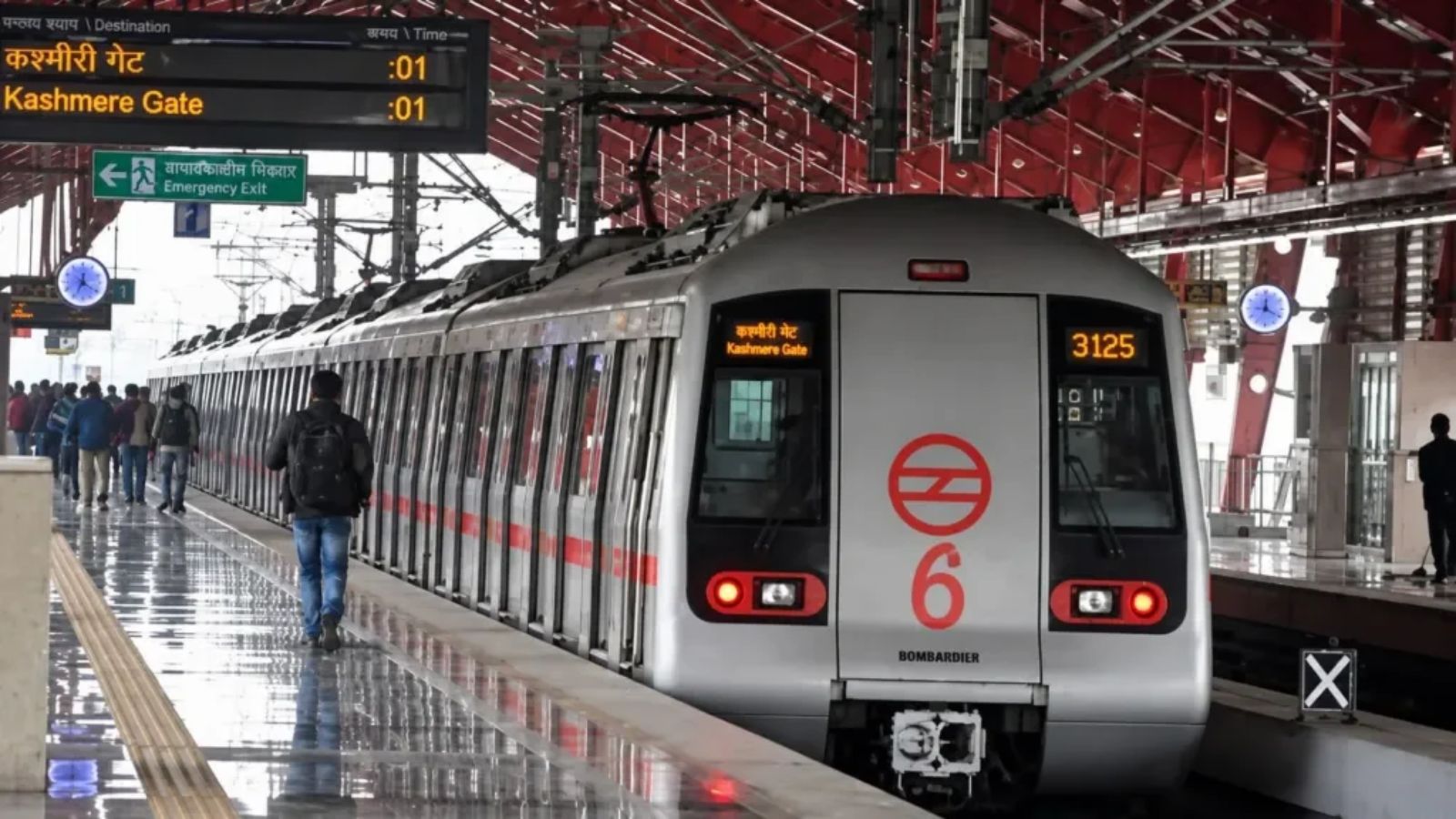
Delhi Metro passenger boardings rose to 80.54 lakh on Monday after the government began restricting older vehicles from entering the capital.
This surge occurred on the first working day of new rules that bar petrol and diesel vehicles registered outside Delhi from entering the city if they do not meet BS-VI emission standards. The restrictions are part of the Graded Response Action Plan, a framework the government uses to control winter pollution.
Because owners of approximately 48 lakh vehicles registered in the National Capital Region and neighboring states like Uttar Pradesh, Haryana, and Rajasthan can no longer drive into the city, many commuters have switched to the metro. To manage the higher volume of travelers, the Delhi Metro Rail Corporation added 40 extra train trips across its network.
The agency began adding these trips in stages, starting with 20 trips in late October and adding another 20 when the current pollution measures took effect. The corporation also added passenger facilitation arrangements at stations to handle the increased movement. The Monday ridership figure nearly matched the highest single-day record of 82.44 lakh, which occurred during a bus strike earlier this year.
While the metro usually sees an average of 64 lakh passengers daily, the current figures reflect passenger journeys, which count every time a traveler switches lines.
Selected and summarized by local AI How we work
Solutions: Technology, policy and initiatives already in use against a real problem, with results to show.