Italy’s centuries-old India trade: silk, Coral, and cars
Summary and headline written by AI from the source article. How we work
Italian merchants and entrepreneurs built economic connections with India over centuries, even before Italy was a unified nation. Beginning with silk in the 18th century, Italians participated in the British colonial economy by supplying goods and expertise, often working with Indian commercial networks.
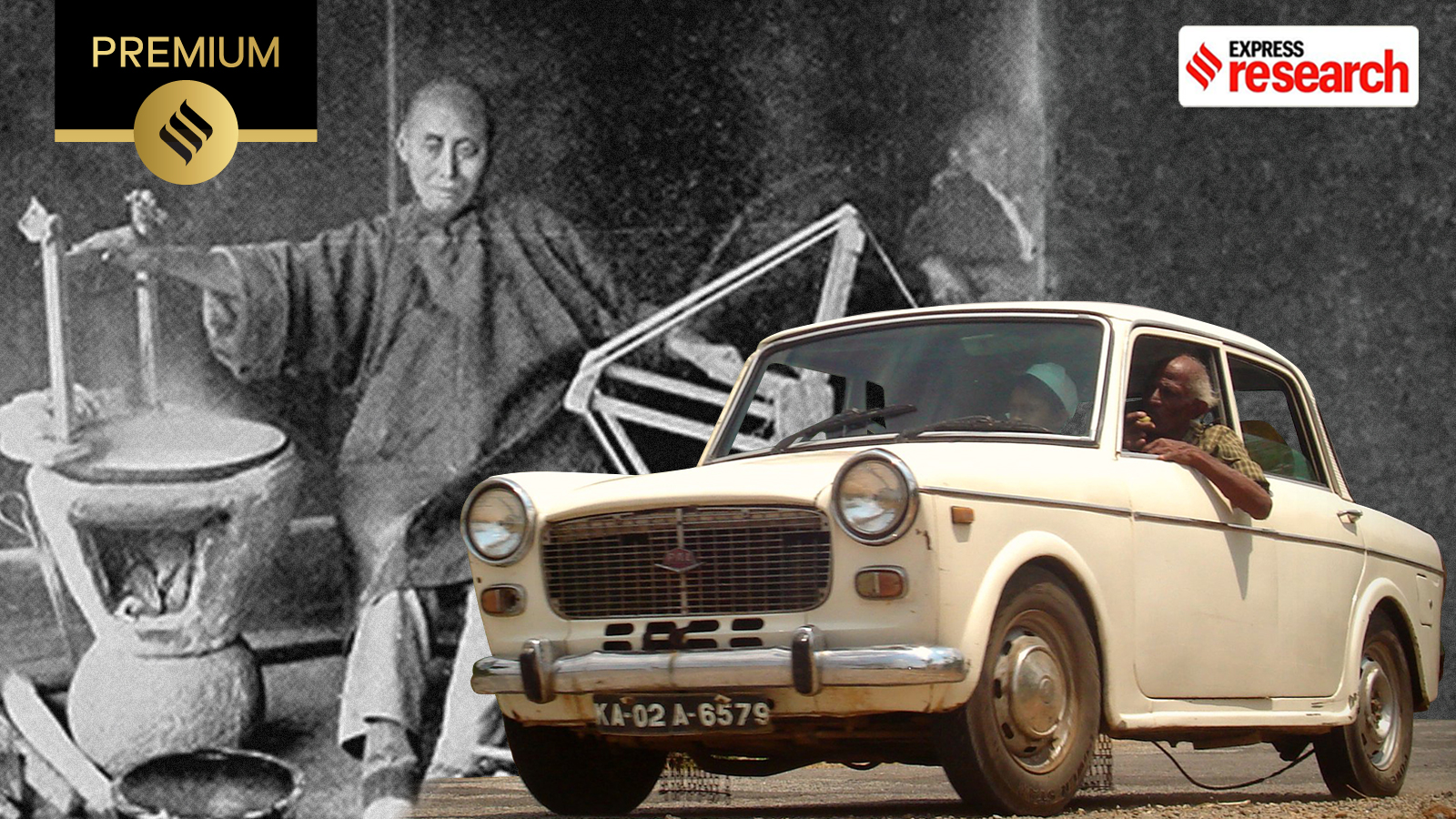
The English East India Company adopted Piedmontese silk reeling techniques in Bengal to improve the quality of raw silk for European markets, leading to the recruitment of Italian silk experts.
Later, Italian coral traders established businesses in Indian port cities like Calcutta and Bombay, relying on local merchants, Marwari, Parsi, Tamil, and Gujarati, to distribute their products and gain market knowledge. Italian firms adapted to the Indian market by responding to consumer preferences and even sourcing materials like Japanese coral, which they processed in Italy before returning it to India for sale.
While Italy never held colonial rule in India, its traders navigated British control and built relationships with Indian businesses. After India gained independence, Italian companies like Fiat continued to collaborate with Indian businesses, such as Premier Automobiles, shifting from operating within a colonial structure to negotiating with a sovereign Indian state. This long-term economic relationship demonstrates how Italian enterprise found ways to profit from India, even without territorial control, by focusing on trade, processing, and access to markets.