Modi script letters reveal social history of 18th century Maharashtra
Headline and summary by local AI
Ganesh Khutwad, a researcher and assistant professor, is using old letters written in the Modi script to uncover the personal lives of people in 18th-century Maharashtra.
While most historical records focus on the political actions of the Marathas and the Peshwas, Khutwad examines these documents to understand how ordinary individuals navigated social conventions, family dynamics, and caste inequalities.
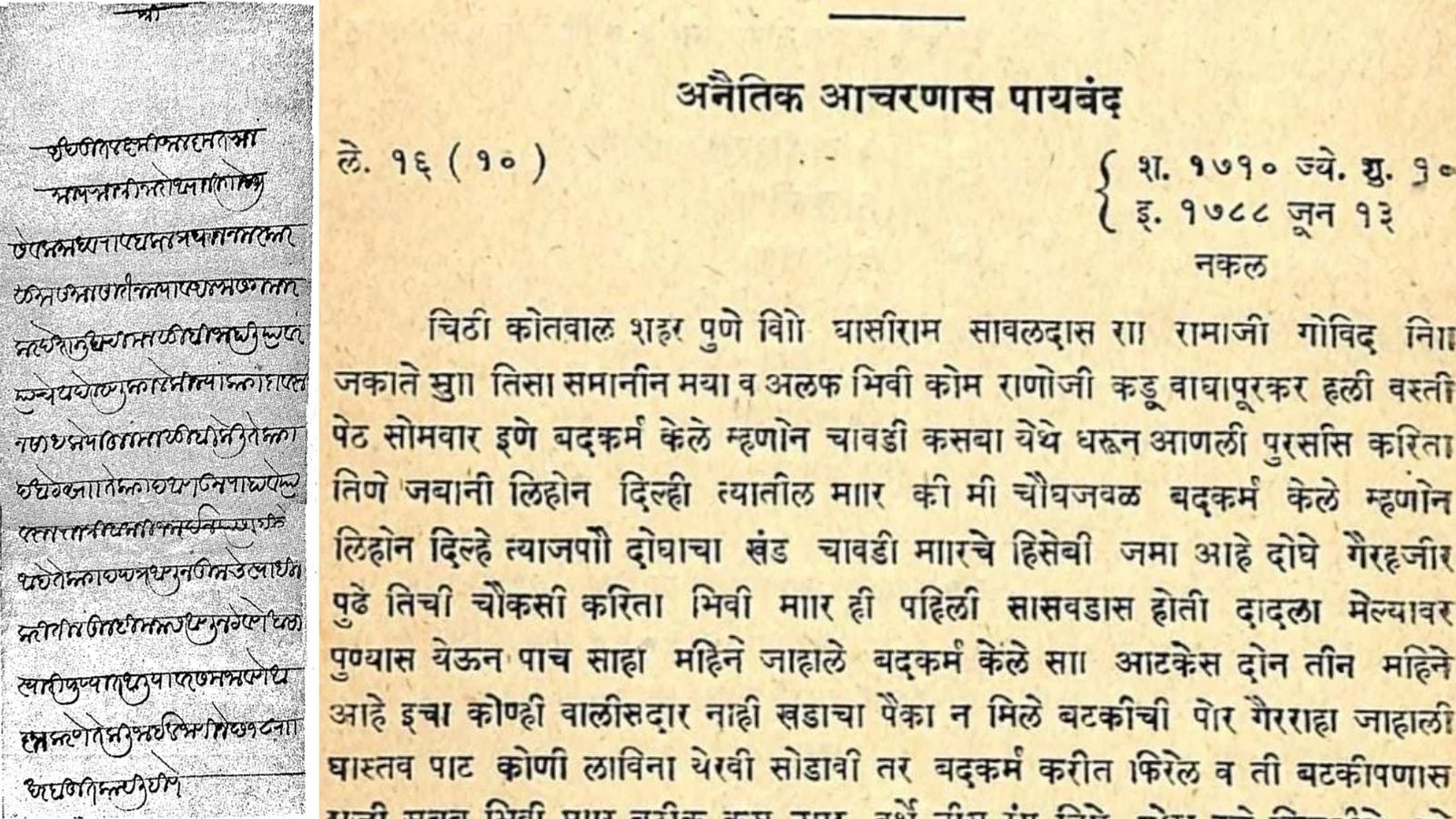
The letters, which traveled to regions like Karnataka, Tamil Nadu, and Gujarat, show that the Modi script adapted to local languages such as Kannada, Tamil, and Gujarati. One letter from a father reveals his decision to arrange a remarriage for his daughter, Shami, whose husband had been away at war for years. Khutwad notes that these records suggest remarriage was more common among lower castes during that period, whereas upper-caste women faced stricter limitations.
The archives also highlight how caste boundaries influenced intimate lives, such as a couple who separated after 12 years of marriage upon discovering they belonged to different castes. Other documents show the unequal treatment of women in the legal system. In one early 18th-century case involving sexual assault by seven or eight men, the records identified the woman only by her caste rather than her name.
In another instance, a woman named Bivhi was detained for two months for social offenses while the men involved in her relationships paid fines. The Pune Archives hold an estimated 15 to 17 crore documents, and the Bharat Itihas Sanshodhak Mandal preserves about 20 lakh Modi documents. Khutwad aims to use these archives to show how people lived, loved, and suffered, offering a more inclusive view of history that addresses human struggles rather than just royal lineages.
Selected and summarized by local AI How we work
Discovery: Archaeology, new knowledge of art, culture and history, forgotten history uncovered, something lost restored.