Rosalía’s LUX album draws inspiration from 13 women
Summary and headline written by AI from the source article. How we work
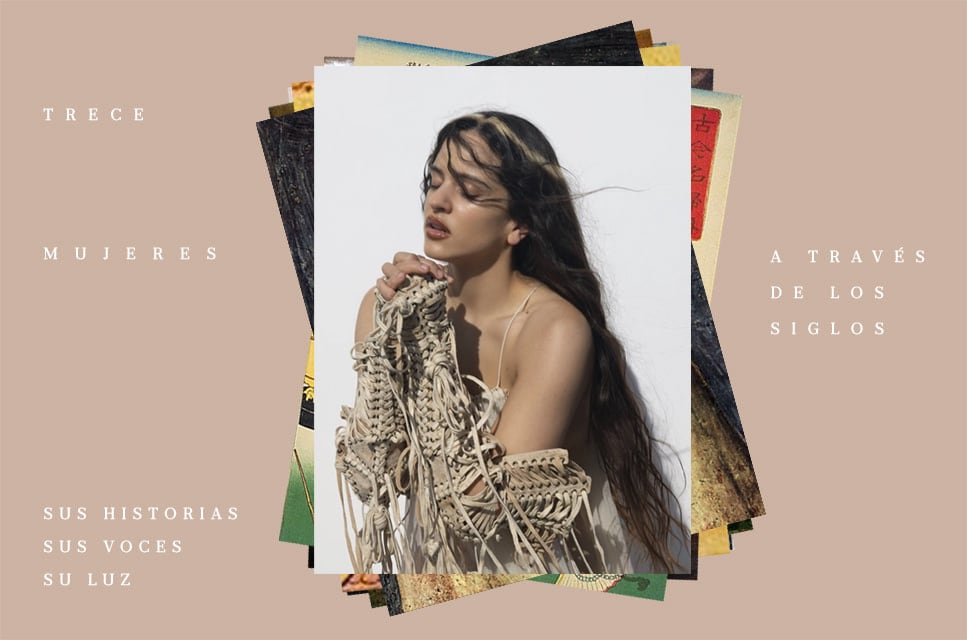
Rosalía, a Catalan artist, based her recent album, LUX, on the lives of 13 women from diverse backgrounds and time periods.
The artist drew inspiration from Catholic saints, mystics of other faiths, writers, and thinkers, weaving references to them into the album’s lyrics and musical styles. These women span over 3000 years of history, from Miriam, traditionally placed in the 13th century BCE, to Anandamayi Ma, who died in 1982, and represent various regions including Japan, Peru, India, and Sicily.
Rosalía’s album blends her vocals with different musical traditions, orchestral arrangements, and a collage of sounds. While not strictly operatic or a musical, the album’s structure across four movements evokes those forms, earning praise from Andrew Lloyd Webber, who called it potentially the album of the decade. The artist explored the stories of these women, many of whom challenged the expectations placed on them and found freedom through unconventional paths like entering convents to pursue education and creative work.
The selected women include Santa Rosa de Lima, the first person born in the Americas canonized by the Catholic Church, and Ryōnen Gensō, a Japanese aristocrat who became a respected figure in Zen Buddhism. Other figures featured are Clara of Assisi, Hildegarda von Bingen, Vimalā Therī, Olga of Kiev, Rābiʿa al-ʿAdawiyya, and Juana de Arco, among others. Rosalía researched the women using tools like ChatGPT and consulted experts to verify information across multiple languages and historical sources.
The artist clarified that the interpretations linking the women to the songs are her own.