Neolithic Europeans practiced cannibalism in diverse ways
Summary and headline written by AI from the source article. How we work
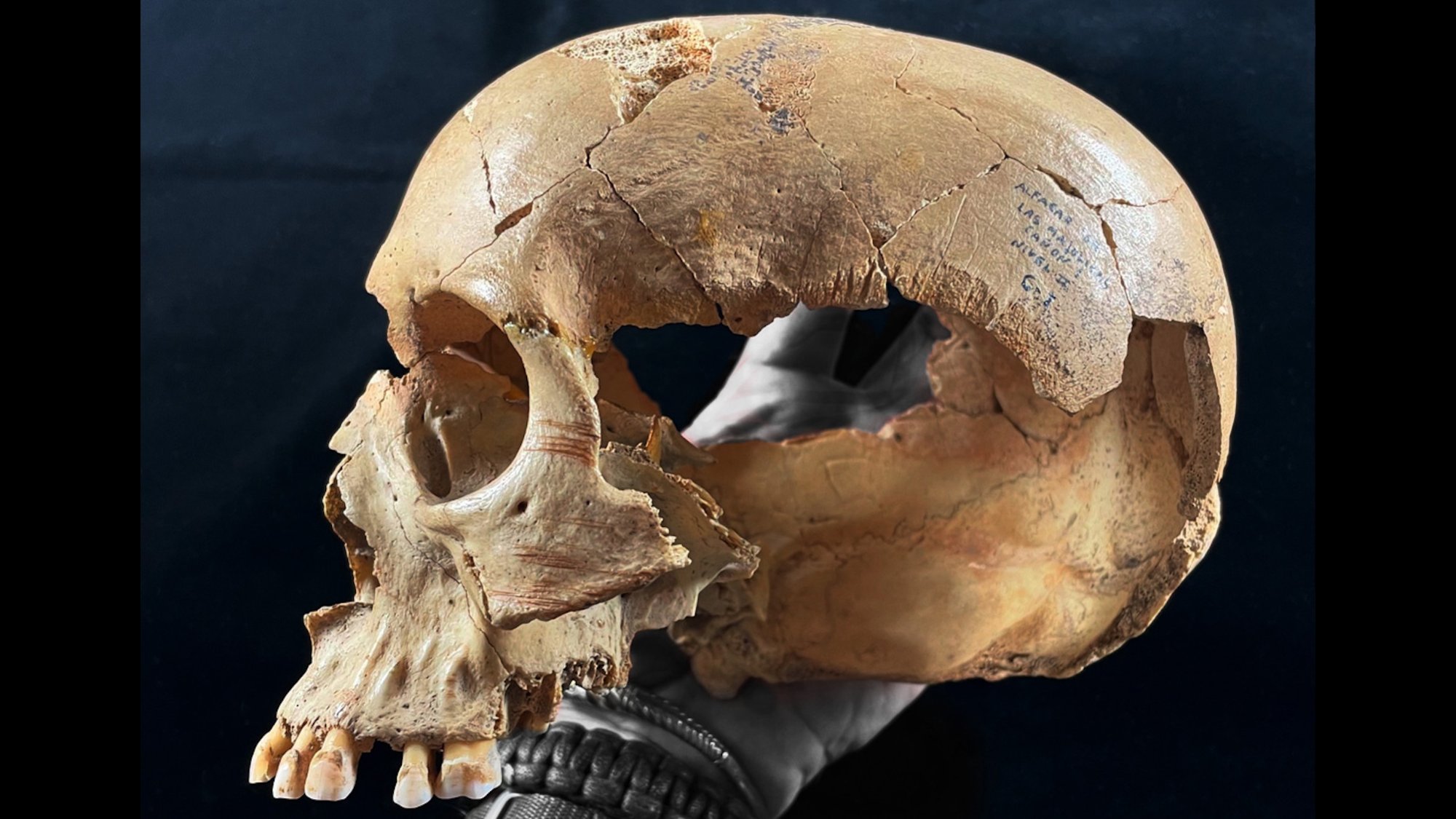
Archaeologists in Spain re-examined nearly 1,000 ancient bones from three caves, Malalmuerzo, Carigüela, and Majolicas, to understand how Neolithic people practiced cannibalism.
The team, led by Antonio Rodríguez-Hidalgo from the Institute of Archaeology of Mérida, used statistical analysis and machine learning to classify damage on the bones, including fractures, cuts, and tooth marks. They also estimated the age of the individuals based on their skeletal remains.
The researchers discovered that cannibalism wasn't a single practice across Europe during the Neolithic period. At Malalmuerzo, evidence suggests a single violent event around 5000 BCE impacted people of all ages. Carigüela showed cannibalism occurring over a longer period, with skulls modified into drinking vessels. Majolicas, with the latest instances of cannibalism around 3800 BCE, presented bones stained with cinnabar, a red mineral, suggesting ritualistic practices rather than violence.
These findings, combined with other archaeological discoveries, indicate cannibalism occurred in Europe during the late sixth millennium BCE, the middle fifth millennium BCE, and the end of the third millennium BCE. While the reasons for these practices remain unclear, the archaeologists suggest conflict or ritualistic manipulation of human remains played a role. They note that similar archaeological evidence can conceal different social realities.