Martin Luther King Jr. applied philosophy to Civil Rights
Summary and headline written by AI from the source article. How we work
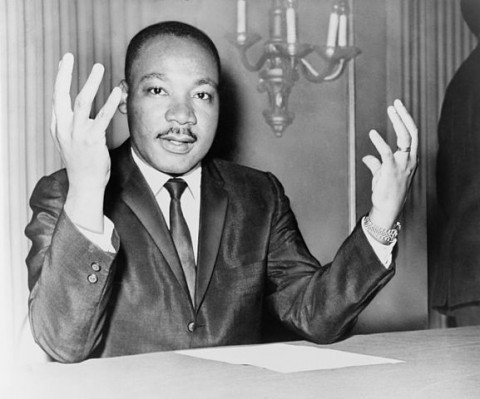
In the United States, Martin Luther King Jr. used the philosophies of Georg Wilhelm Friedrich Hegel, Immanuel Kant, and others to support his work overturning segregation.
While studying at Boston University and Harvard in the mid-1950s, King engaged with the work of these philosophers, finding value in their ideas even when he disagreed with them.
He specifically found Hegel’s dialectical method useful in developing his philosophy of nonviolent resistance, seeing it as a way to reconcile opposing forces without resorting to violence. King’s engagement with Hegel wasn’t isolated. W.E.B. Du Bois, an earlier Civil Rights leader, also studied Hegel and used his logic to analyze racial struggle in America. Scholars have also suggested that the Haitian Revolution, a revolt of enslaved people, influenced Hegel’s own philosophical development, specifically his ideas about power and freedom.
Beyond Hegel, King also explored the work of Kant, Spinoza, Kierkegaard, Marx, and Nietzsche, incorporating their ideas into his thinking. He believed these thinkers helped him develop critical analysis skills and move beyond dogmatic beliefs. King identified Hegel as his favorite philosopher in a 1956 interview, and used Hegelian terms when discussing the Civil Rights struggle, framing it as a process of growth through conflict.