Archaeologists discover ancient Mayan city with records of violent conflict
Headline and summary by local AI
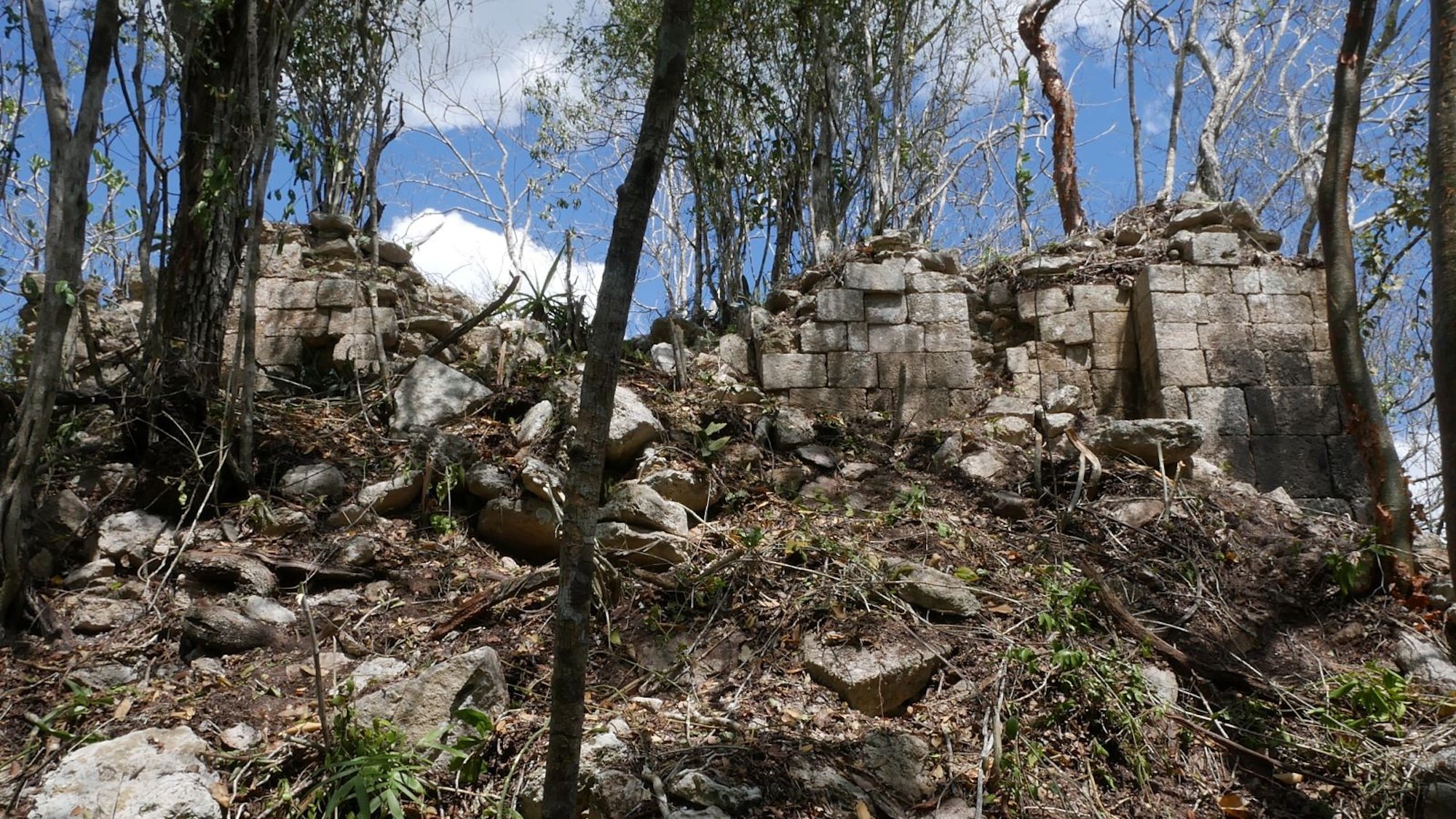
Archaeologists from the National Autonomous University of Mexico discovered a 37-acre Mayan settlement in the remote tropical forests of Campeche, Mexico.
The site, which researchers initially called Minanbé because it is so inaccessible that there is no road to it, dates back at least 1,100 years to the Mayan Late Classic period. The city is located north of the Calakmul Biosphere Reserve near the border of Guatemala.
Octavio Esparza Olguín and his team translated hieroglyphs suggesting the residents called the city Sakil. The site contains various structures including palaces, religious facilities, plazas, water-management systems, and a pyramid nearly 43 feet tall. By examining 14 pillars and altars, the researchers found evidence of a violent regional conflict between Sakil and a rival hub called Ocomtún. One carved relief shows a captive resident of Sakil lying on his stomach with his wrists tied.
The inscriptions also memorialize a specific ruler named Suutz’, which means bat in Yucatec Maya. The carvings depict Suutz’ wearing decorative clothing and a detailed headdress, suggesting he held significant authority over the community. While the findings confirm military conflict between the two cities, researchers do not yet know if these battles occurred during the reign of the ruler named Bat.
Selected and summarized by local AI How we work
Discovery: Archaeology, new knowledge of art, culture and history, forgotten history uncovered, something lost restored.