Archaeologists discover a large cemetery of infants in Gallo-Roman Auxerre
Headline and summary by local AI
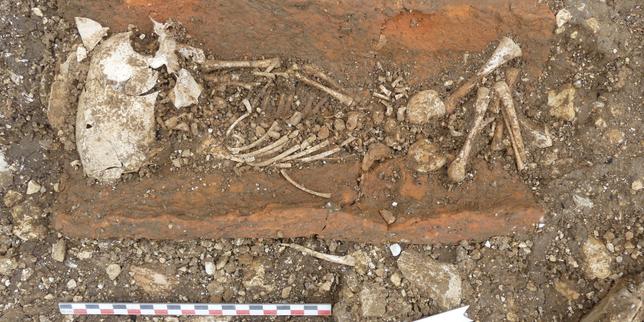
Archaeologists discovered a cemetery containing many infant remains in Auxerre, a town in France, during preventive excavations in 2024.
Carole Fossurier, an archaeoanthropologist at the Institut national de recherches archéologiques préventives, analyzed the human remains found at the site. The findings suggest a high rate of infant mortality during the Gallo-Roman period, a time when many children died before reaching adulthood.
Researchers noted that parents in this era often waited a week before naming a newborn because the first days of life were particularly dangerous. The team uncovered 235 burials and approximately 30 funerary objects, such as offerings and ceramics, within a small area. They presented these results at the Musée de l’homme in Paris.
The discovery provides a concrete look at the high number of children who died in antiquity, which some experts estimate reached between 20% and 40% of the population.
Selected and summarized by local AI How we work
Discovery: Archaeology, new knowledge of art, culture and history, forgotten history uncovered, something lost restored.