Freshwater fish consumption distorts radiocarbon dating of medieval skeletons

Headline and summary by local AI
A Danish-Dutch research team discovered that consuming freshwater fish can make human skeletons appear hundreds of years older than they actually are.
Kaare Lund Rasmussen from the University of Southern Denmark, Johannes van der Plicht from the Center for Isotope Research in the Netherlands, and Jesper Lie Boldsen from the University of Southern Denmark reexamined the remains of 27 people buried in medieval monasteries across Denmark.
Their analysis revealed that radiocarbon dating, a standard method for determining the age of carbon-based materials, can produce inaccurate results when a person's diet includes certain aquatic sources. The researchers identified a specific error involving skeleton III9B from Svendborg, Denmark. Previous dating suggested the person died between A.D. 1100 and 1155, but the Franciscan monastery where the person was buried was not founded until 1236.
The team found that freshwater fish from lakes and rivers contain less carbon-14 than land-based food because old carbon is released from shoreline sediments. This "freshwater trap" can cause bones to appear between zero and 1,000 years older than their true age. The team confirmed that five other skeletons from the 27 studied also had incorrect dates, including several from the Cistercian monastery at Øm and the Monastery of Our Lady in Viborg.
While saltwater fish also create a reservoir effect, the researchers noted that these dates are more predictable and easier to correct than the variable effects of freshwater sources. The team published their findings to warn archaeologists across Europe to adjust their dating methods for fish-eating populations.
Selected and summarized by local AI How we work
Discovery: Archaeology, new knowledge of art, culture and history, forgotten history uncovered, something lost restored.
More in Discovery

Divi komponisti, viena opera un dzīve starp Latviju un Grieķiju. Gundega Šmite par "Eiropas nolaupīšanu"
delfi.lv · 13 Nov 2026

Trilobites in Morocco adapted to freshwater 510 million years ago
yabiladi.com · 5 Nov 2026
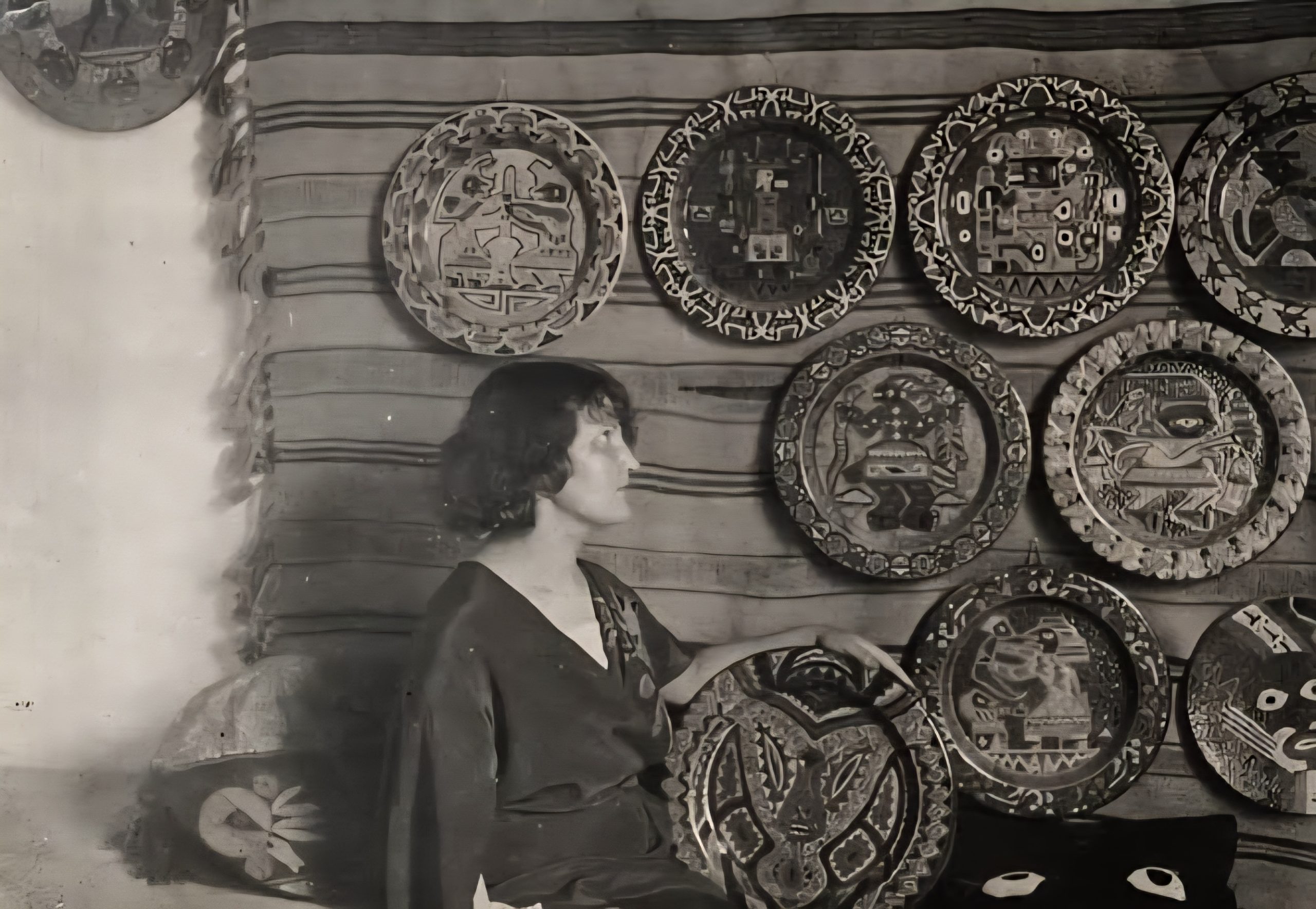
Spanish Poet Josefina Plá shaped modern Paraguayan culture
asunciontimes.com · 9 Nov 2026