Spanish Poet Josefina Plá shaped modern Paraguayan culture
Headline and summary by local AI
Spanish writer and artist Josefina Plá spent much of her life in Paraguay, where she became a central figure in the country's modern arts and literature.
Born in 1903 in the Canary Islands, she moved to Paraguay in 1926 with her husband, the ceramicist Julián de la Herrería. She quickly joined the artistic vanguard by contributing to the postmodernist magazine Juventud and became the first woman to serve as an editor for the newspaper El Orden.
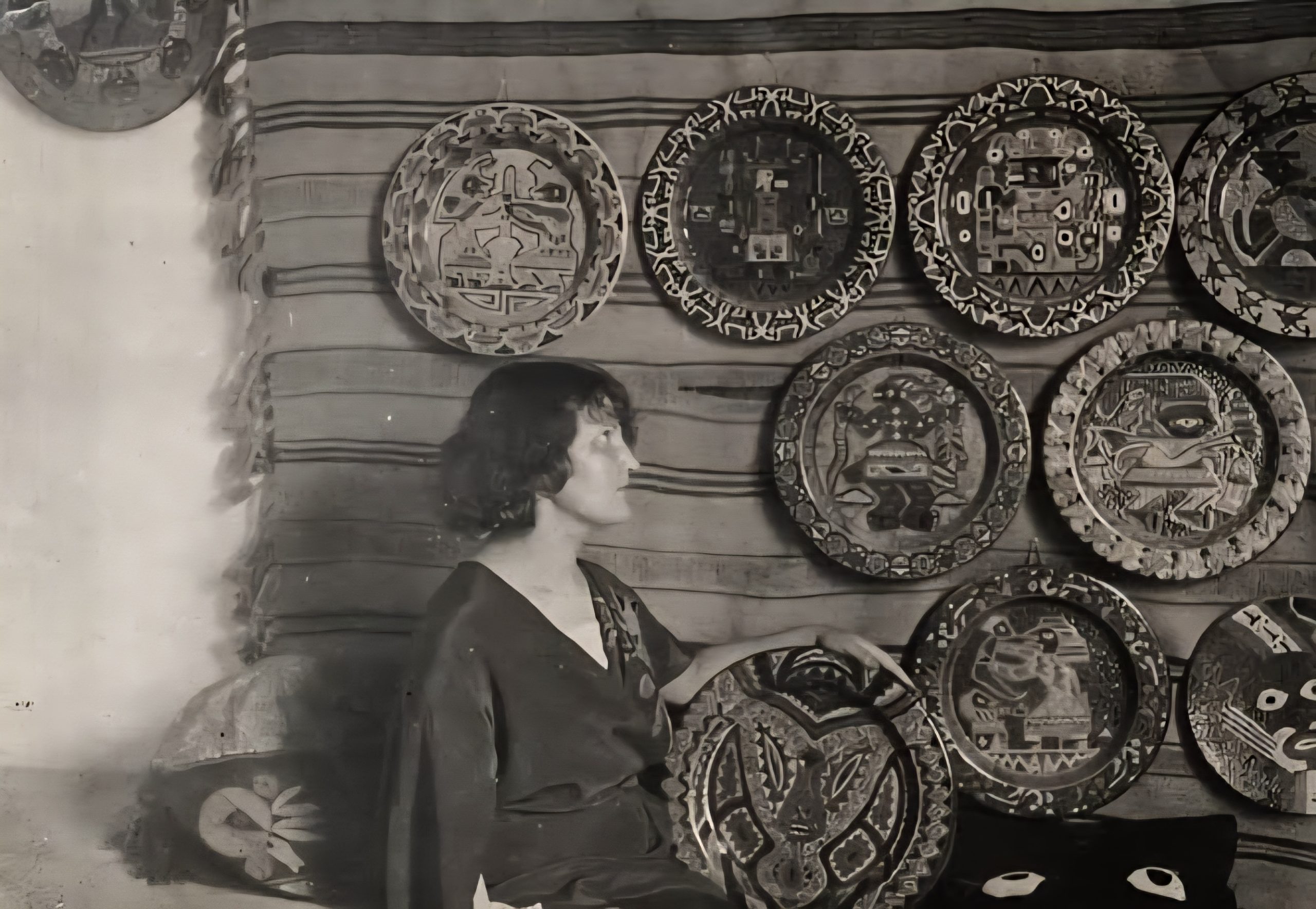
Plá co-founded the Grupo Arte Nuevo in 1953 with other artists to move Paraguayan art away from academic post-impressionism. She also produced ceramics under the pseudonym Abel de la Cruz, which blended indigenous motifs with colonial history. Her scholarly work included over forty titles exploring Paraguayan identity, including studies on the Hispano-Guaraní Baroque, the evolution of women in plastic arts, and the lace-weaving traditions of Ñandutí.
She also acted as a defender of human rights and a precursor to the feminist movement in the Southern Cone. After her husband died in 1937, she remained in Asunción to raise her son as a single mother. The Paraguayan Parliament granted her honorary citizenship, and her literary works remain available in libraries and bookshops across Paraguay.
Selected and summarized by local AI How we work
Discovery: Archaeology, new knowledge of art, culture and history, forgotten history uncovered, something lost restored.