Massive birds of prey may have shaped human language evolution
Headline and summary by local AI
Anthropologists Scott McGraw and James Cole suggest that prehistoric birds of prey may have influenced the development of human communication.
Researchers compared the skull of a 2.8-million-year-old toddler, known as the Taung child, to the remains of monkeys killed by the African crowned eagle. They found that the talon scratches on the child's eye sockets matched those found on primates snatched by the bird.
The researchers argue that the constant threat of being attacked from the sky could have forced early human ancestors to develop complex social behaviors. Because primates use different vocalizations for terrestrial predators like lions and aerial threats like eagles, the need to warn others about flying raptors might have encouraged the development of vocal signaling. This flexibility in communication could represent an early root of human language. The cultural impact of these large predators is also visible in global folklore.
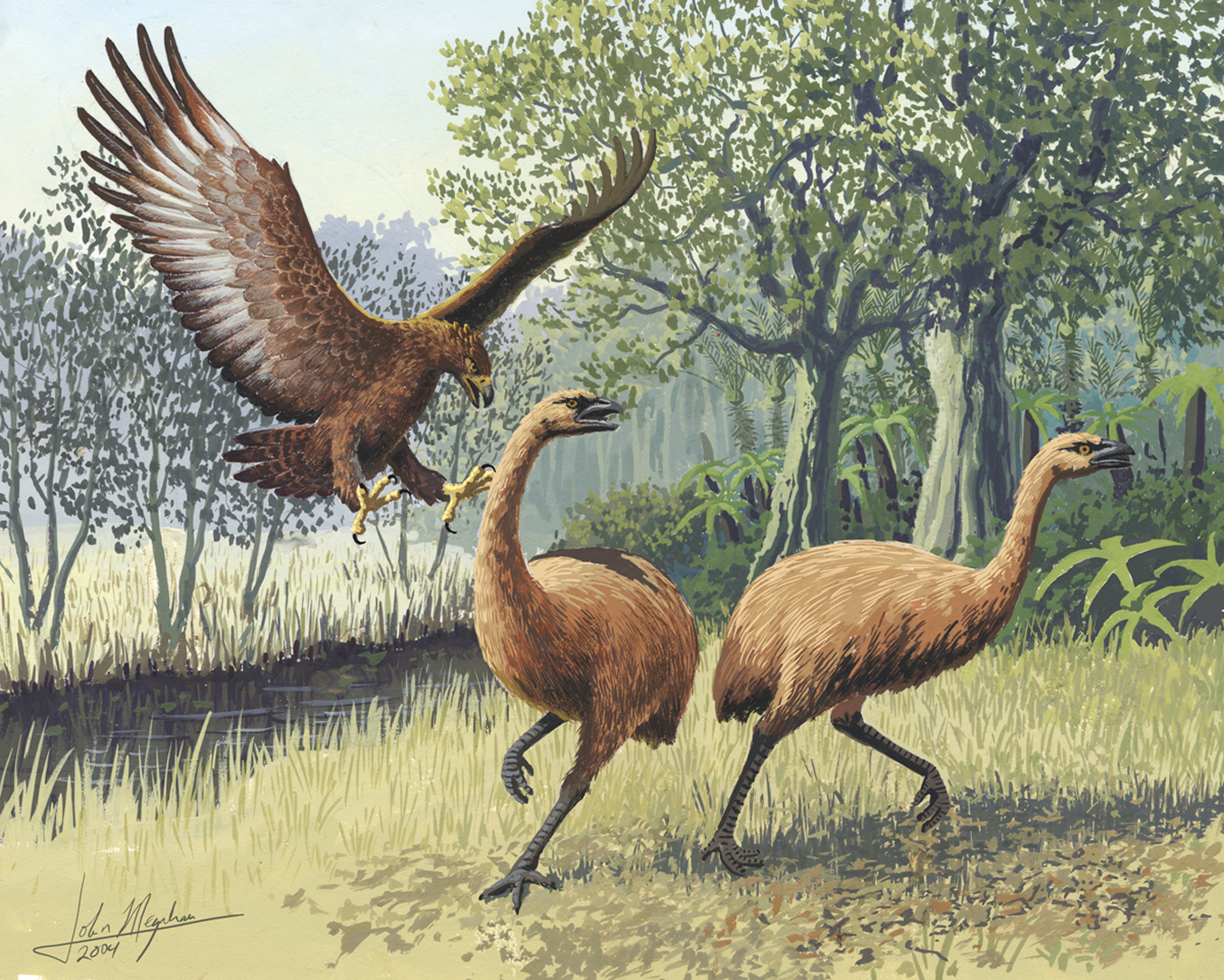
Teratorns, which were massive condor-like birds in the Americas until 10,000 years ago, may have inspired the Thunderbird of Native American myths. Similarly, the Haast's eagle of New Zealand, which had an eight-foot wingspan, might have inspired Maori legends of Te Hokioi, a raptor that grabbed children. Both the teratorn and the Haast's eagle are now extinct.
Selected and summarized by local AI How we work
Discovery: Archaeology, new knowledge of art, culture and history, forgotten history uncovered, something lost restored.