Peer evaluation shapes musical standing in Xi’an Guyue traditions

Headline and summary by local AI
Musicians in Xi’an, China, engage in a traditional practice called douyue, where different music societies perform and evaluate each other's instrumental skills.
During these sessions, performers play for fellow musicians, elders, and local audiences who compare the performances against shared standards of stylistic accuracy and ensemble control. The practice relies on communal verification, a process where a knowledgeable community decides if a group's musical claims are convincing or need revision.
This shared appraisal differs from a simple competition score because it allows for ongoing feedback. If the evaluation remains respectful, it helps performers feel heard and fosters a sense of belonging and trust within the musical community. However, if the conditions become exclusionary or humiliating, the process can cause musicians to experience anxiety or withdraw from the tradition. These social interactions influence how musicians relate to one another and how they choose to rehearse and teach future repertoire.
The practice demonstrates how peer evaluation of musical expression connects communication with the wellbeing of the performers. Researchers suggest these findings provide an evaluative ethic for caring musical cultures in both educational and performance settings.
Selected and summarized by local AI How we work
More in Discovery
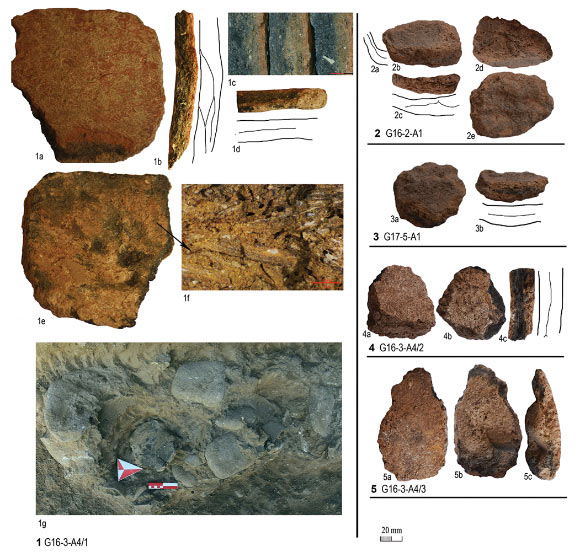
Neolithic people in Türkiye experimented with fired clay 11,000 years ago
sci.news · 11 Nov 2026

Scientists discover new giant water lily species in Colombia
noticiasambientales.com · 4 Nov 2026

Researcher visits Damascus to trace the biblical journey of the apostle Paul
biblicalarchaeology.org · 6 Nov 2026