Researchers identify rare leprosy strain in a 5th century boat Burial
Headline and summary by local AI
Researchers from Kiel University and the Lower Saxony Institute for Historical Coastal Research identified a rare strain of leprosy in the remains of a man buried in a boat in Germany.
The man was interred at the Fallward burial ground near the North Sea coast and the mouth of the Elbe River during the fifth century A.D.
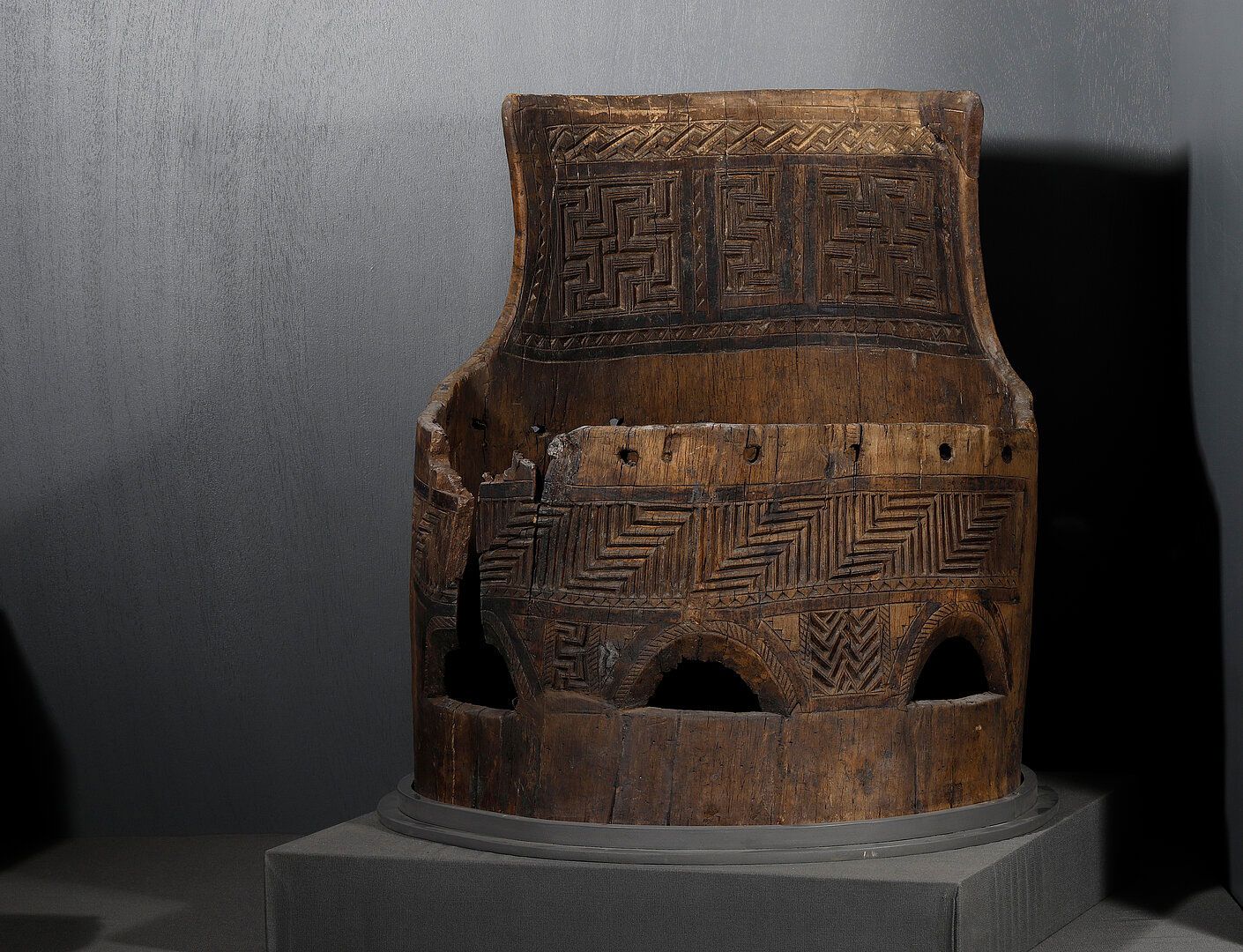
Genetic analysis conducted by the Institute of Clinical Molecular Biology (IKMB) suggests the man originated from the Danube region and had ties to the Mediterranean and southeastern Europe. The burial site contained a late Roman military belt and a chair carved from an alder tree, which led researchers to believe the man might have been a trader or a mercenary in the Roman army.
The specific pathogen identified in the man was previously known in Egypt between the fourth and second centuries B.C. but had not been detected in Central or Northern Europe until this discovery. Scientists noted that the man showed no bone damage, suggesting he had an asymptomatic form of the disease or that it had only affected his soft tissues at the time of his death.
Selected and summarized by local AI How we work
More in Discovery

Drones using lasers discover hidden Aboriginal rock art shelters in Australia
scitechdaily.com · 10 Nov 2026

Tribal leader Bob Khathing established Indian administration in Tawang
thelogicalindian.com · 12 Nov 2026
Lier church authorities bury archaeological human remains in a collective grave
vrt.be · 12 Nov 2026