Southeast Asia eradicates trachoma, a major cause of blindness
Summary and headline written by AI from the source article. How we work
The World Health Organization (WHO) recently certified Timor-Leste as having eliminated trachoma, an infectious disease that leads to blindness. This achievement means all countries within the WHO’s Southeast Asia region are now free from trachoma as a public health concern.
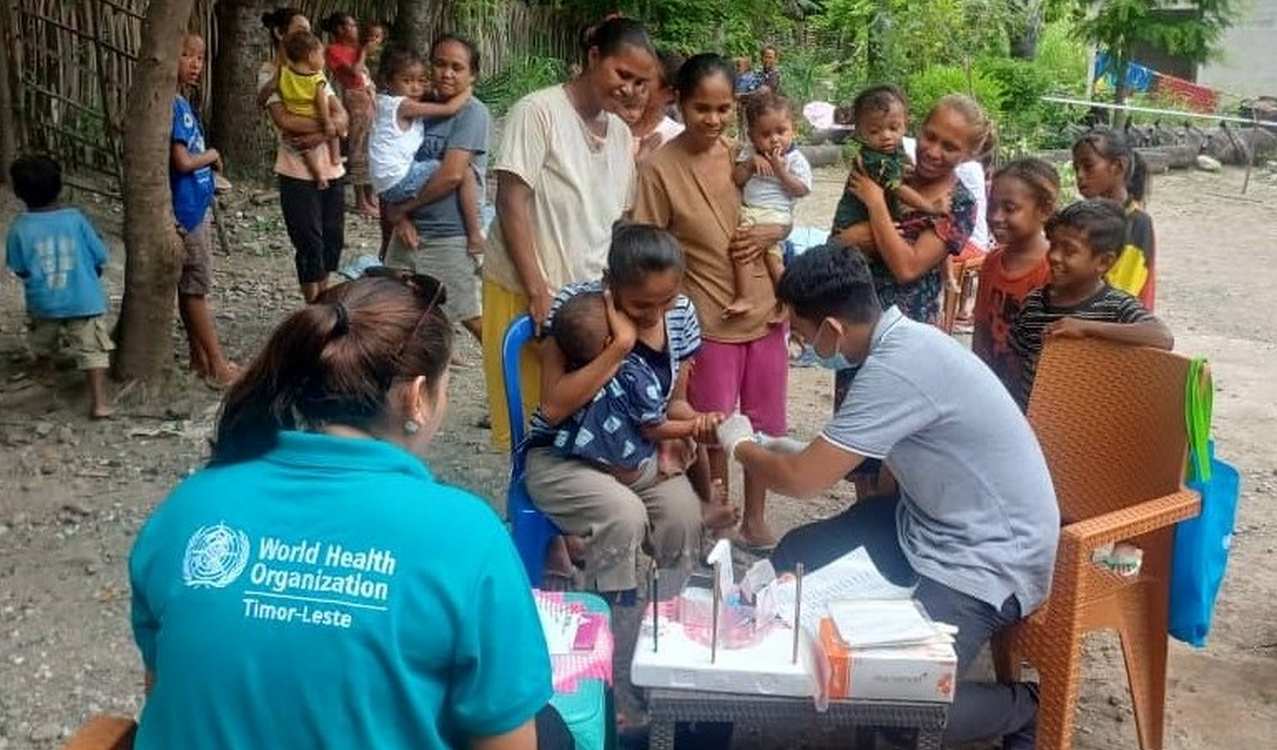
The WHO determined Timor-Leste had eliminated the disease after a rigorous multi-year process from 2015 to 2025. Investigators examined children on Atauro Island, screened patients at eye clinics, and conducted house-to-house searches, finding no evidence of trachoma.
Further surveys in 2025 analyzed nearly 5,000 children across all municipalities and confirmed the lack of transmission requiring public health intervention. Trachoma, caused by the bacteria Chlamydia trachomatis, causes scarring inside the eyelid and can lead to blindness. The disease is linked to poverty and limited access to water, sanitation, and healthcare. Eliminating trachoma improves wellbeing for over 2 billion people in the region by reducing the risk of infection and ensuring access to treatment.
Other countries in Southeast Asia achieved elimination in recent years. Laos eliminated trachoma in 2017, Nepal in 2018, Myanmar in 2020, and India in 2024, joining Vietnam, Cambodia, Bangladesh, Sri Lanka, Maldives, Bhutan, and Thailand. WHO officials hope this regional success contributes to their global goal of eliminating trachoma worldwide by 2030.