3D printing brings low-cost wheelchairs to children
Summary and headline written by AI from the source article. How we work
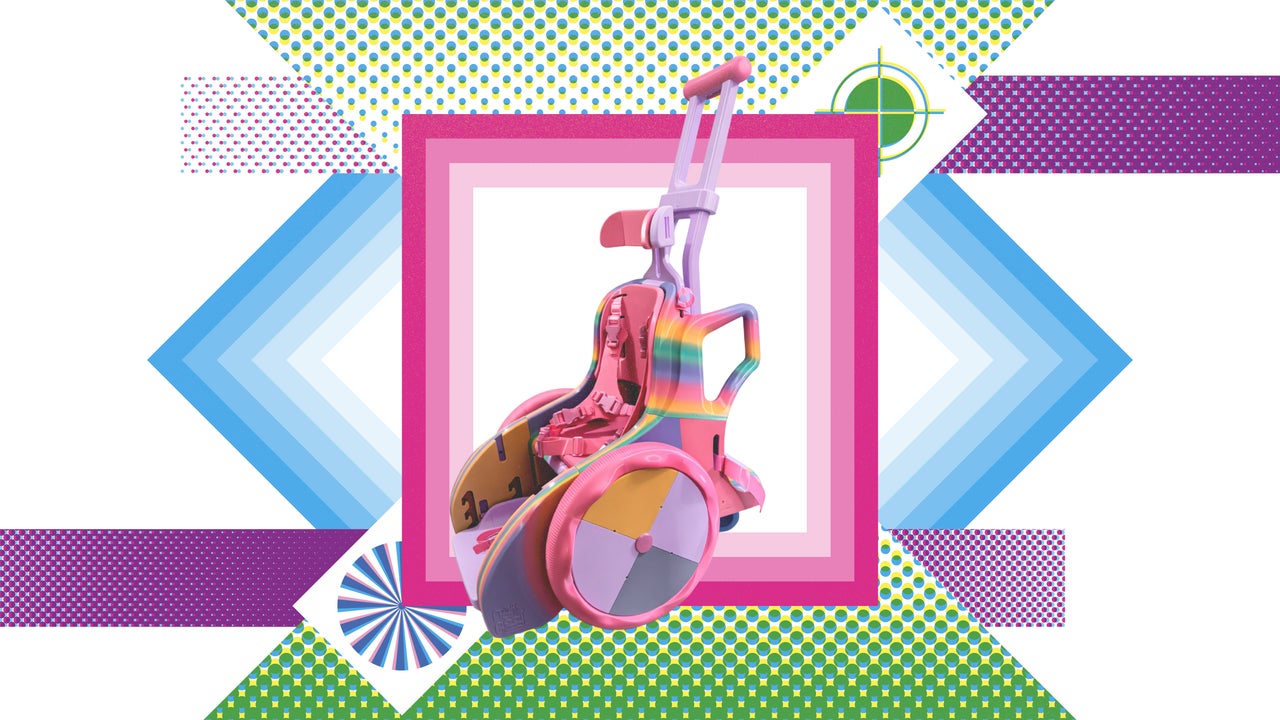
MakeGood, a New Orleans nonprofit, is using 3D printing to create affordable mobility trainers for children ages one to eight with limited movement.
For years, expensive costs and insurance issues have limited access to mobility devices for children with conditions like cerebral palsy or spina bifida, or those recovering from long stays in neonatal intensive care. MakeGood designed a plastic trainer resembling a wheelchair that can be manufactured locally for a few hundred dollars using readily available 3D printers.
The organization built the trainer from numerous small, interlocking parts inspired by Japanese woodworking, creating a strong frame from prints made on desktop-sized printers. MakeGood connects families needing devices with a network of over 1,000 volunteer makers through its 3D-mobility.org platform. This allows people like teachers, makerspace members, and even family members to assemble the trainers near the children who will use them.
MakeGood founder Noam Platt describes this approach as “radical self-reliance,” stating that good design and 3D printing allow people to provide for themselves without depending on insurance coverage. The organization now intends to establish more local production centers, focusing on Latin America, where the need for these devices is high, but access to 3D printing technology is limited.