From bishop to child friend: the evolution of Sinterklaas

Headline and summary by local AI
Historian Rutger Kramer from the Universiteit Utrecht is tracing how a fourth-century bishop from the Roman city of Myra became the modern figure of Sinterklaas.
Kramer examines ancient manuscripts and historical records to explain how a historical figure transformed into a folk hero who delivers gifts to children. While there are no contemporary sources to prove his existence, Kramer notes that the presence of a fourth-century skeleton in the Sint-Nicolaasbasiliek in Bari suggests a person of significance lived in Myra.
By the sixth century, a church already stood in Myra to house his remains. Early stories from the ninth century describe Nicolaas as a wealthy man who gave away his fortune in secret to help a family in need. These early accounts established his reputation for charity before he became a bishop. As a bishop, Nicolaas gained influence by interacting with Emperor Constantijn de Grote.
Kramer suggests that Nicolaas likely used his political influence to save prisoners or secure food for his city, but these actions were later mythologized as miracles. After his remains moved to Bari in 1087, folk stories spread across Europe. Over time, these tales evolved from saving students to saving children, eventually creating the image of a protector of children. The Reformation in Northern Europe further changed his status by stripping away his Catholic identity.
Kramer explains that because Nicolaas was the primary figure of his kind in the Lage Landen, he remained a cultural staple while other saints faded away. In 1850, Jan Schenkman published a book that solidified the modern tradition by introducing the character of a servant and cementing the idea of gift-giving.
Selected and summarized by local AI How we work
More in Discovery
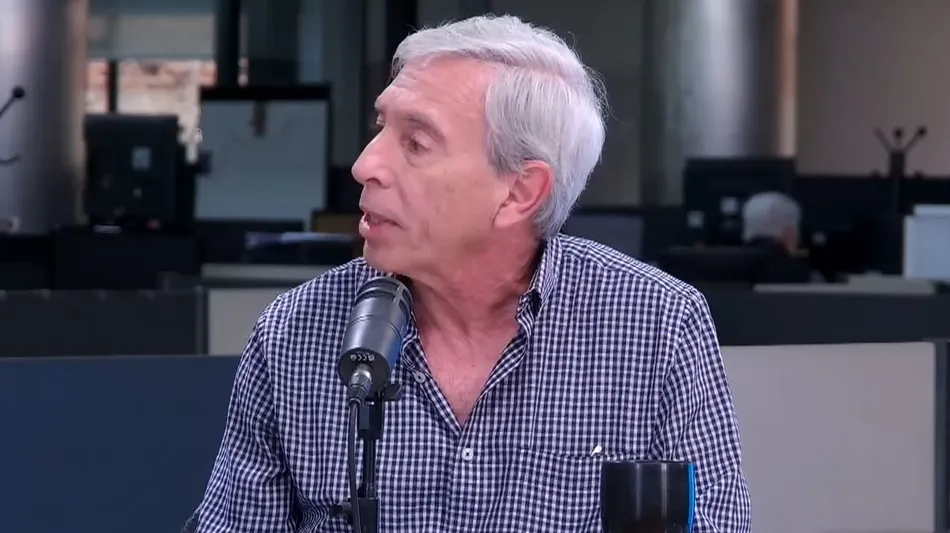
Psychoanalyst Enrique Prego analyzes melancholy and modern discontent
perfil.com · 4 Nov 2026

Excavations reveal ancient synagogue where Jesus preached in Chorazin
biblicalarchaeology.org · 11 Nov 2026
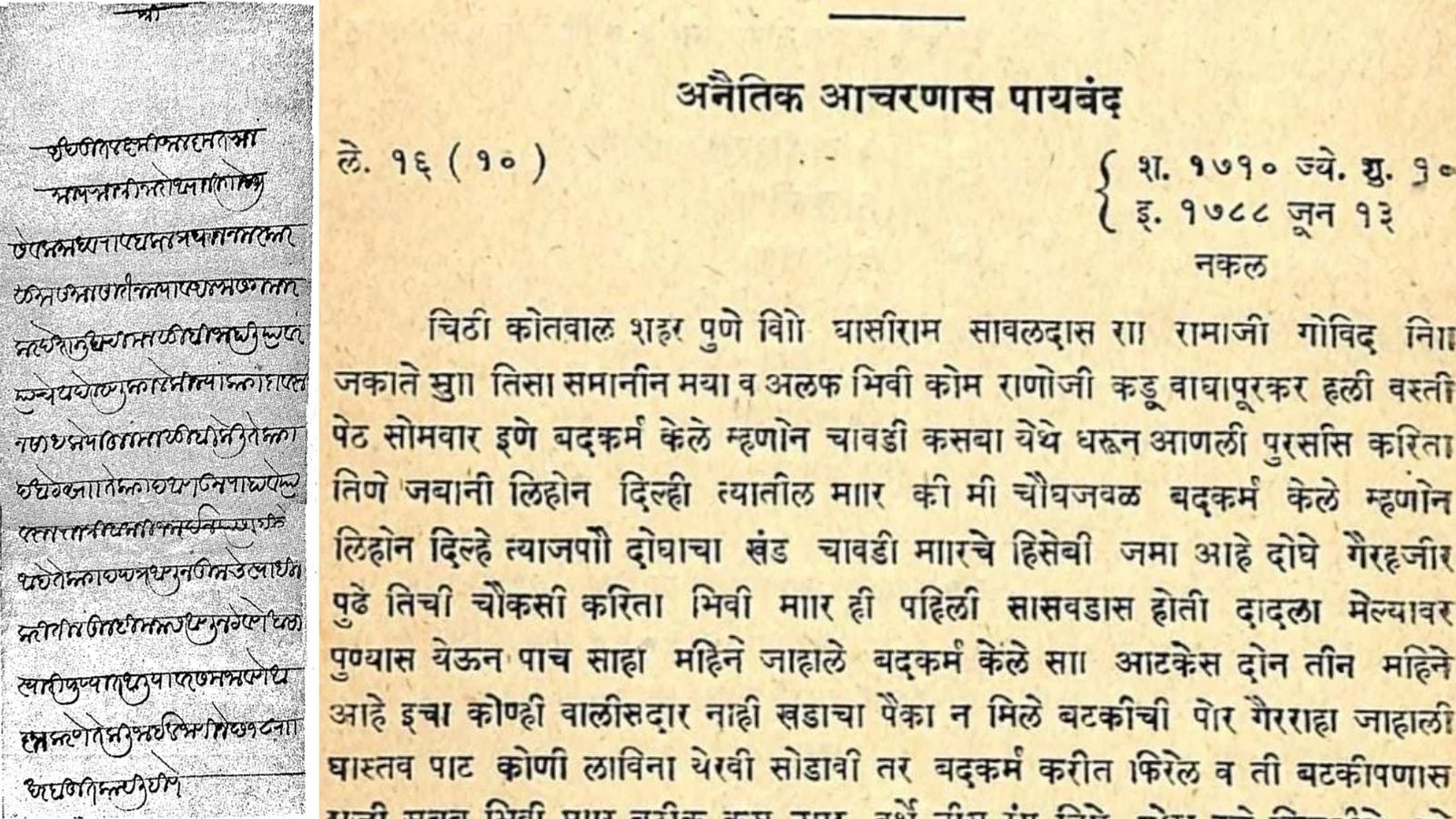
Modi script letters reveal social history of 18th century Maharashtra
indianexpress.com · 8 Nov 2026