Animated film tells story of Japanese Brazilians
Summary and headline written by AI from the source article. How we work
Celia Catunda’s animated film, Ma famille de samouraïs (“My Samurai Family”), recounts the history of Nihonjin, Japanese people living in Brazil.
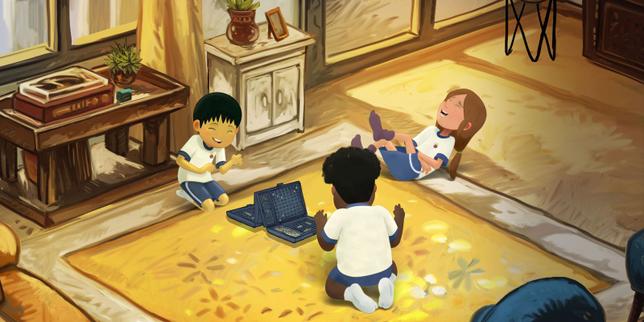
The film adapts a book by Brazilian author Oscar Nakasato, and focuses on the experiences of Nikkei, descendants of Japanese migrants who moved to Brazil in the early 20th century. The story unfolds through Hideo, who shares his life story with his grandson, Noburo.
Noburo, a boy growing up in São Paulo in the 1980s, asks Hideo about their family’s origins for a school assignment. Hideo describes leaving Japan with his wife to work on a coffee plantation, a path taken by approximately 250,000 Japanese people, and the challenges of cultural adjustment. Hideo also recounts living in Brazil during World War II, a country aligned against Japan.
Through these stories, Noburo learns that his comfortable life resulted from his family’s sacrifices, uprooting, and hidden experiences. The film explores themes of diaspora and the complexities of maintaining cultural identity across generations.