Reading ancient scrolls: new tech reveals hidden texts
Summary and headline written by AI from the source article. How we work
Researchers recreated ancient charred scrolls to test a new method for reading the texts preserved from the eruption of Mount Vesuvius in 79 CE.
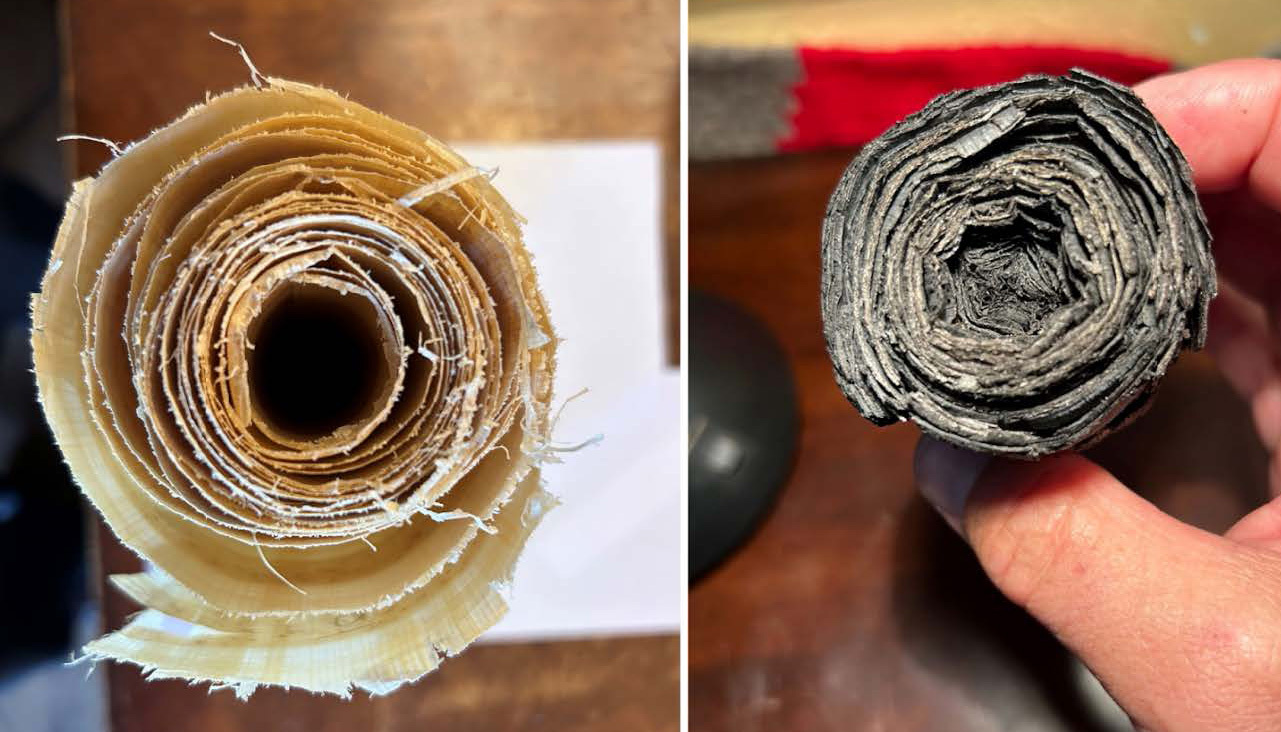
In the ancient town of Herculaneum, volcanic ash buried a library of over 1,800 papyrus scrolls, carbonizing them but also preserving their form. Previous attempts to unroll and read these scrolls in the 18th century often destroyed the fragile material, leading officials to stop the work.
A team of scientists from fields including physics, archaeology, and computer science built their own scrolls using carbon-based ink, papyrus, and reeds, writing lines from modern works like Star Wars and the Bible instead of ancient philosophy. They intentionally added lead nitrate to the ink, because lead absorbs X-rays, making the writing stand out during CT scans. Scanning the artificial scrolls with a CT machine and custom software successfully revealed the text.
The researchers believe this approach could dramatically improve efforts to decipher the original Herculaneum scrolls. Many of the scrolls have not yet been tested for the presence of lead, and a simple scan with a handheld instrument could identify those most likely to yield readable text. The team hopes to assist in translating the remaining scrolls, which could unlock lost knowledge from antiquity.