Designers use city branding to facilitate public dialogue in China
Headline and summary by local AI
Designers collaborated with the public sector in Longquan, China, to renew the city's brand over a four year period starting in 2018.
The project focused on the city's cultural heritage, specifically its 1,600 year history of producing celadon and swords. The design team moved beyond traditional aesthetic roles to act as facilitators, creating a system where different stakeholders could engage in ongoing dialogue about urban transformation.
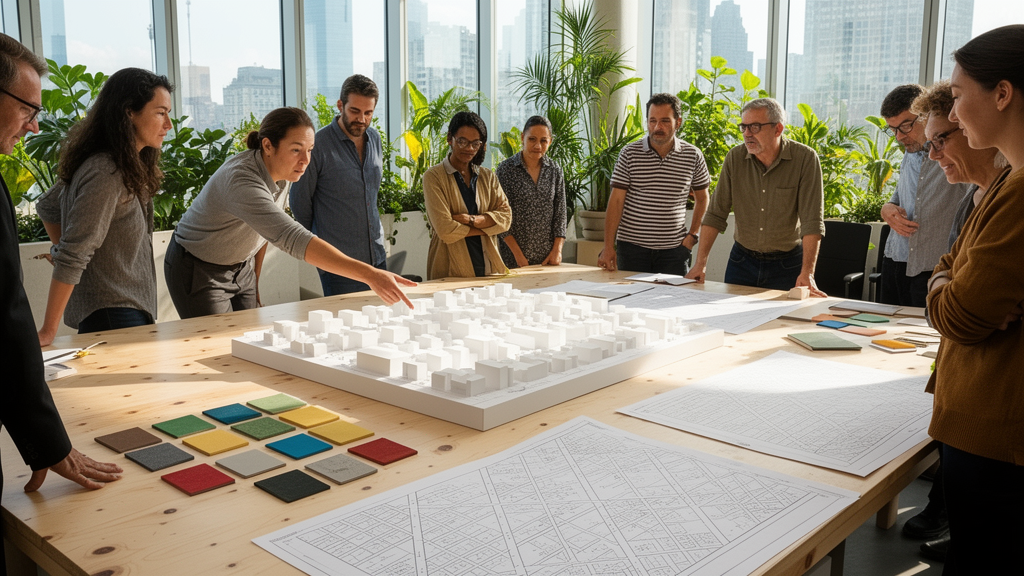
The team used a variety of methods to connect the community with the city's identity. They held workshops and seminars with local officials and artists to determine how to best represent the city's culture. Because of budget and approval constraints, the team shifted from large construction projects to smaller pilot strategies, such as creating smart city signs featuring augmented reality and virtual reality.
These interventions allowed the team to maintain a technological feedback loop with the public while meeting government requirements. To gather data, the team installed QR codes at 281 city branding touchpoints. These codes allowed residents and visitors to submit feedback, which the designers used to refine the city's brand image. The project also included the development of an Internet of Things platform to monitor street furniture and equipment.
This system helped the government manage city facilities more efficiently while helping residents connect with their cultural heritage through tangible products like furniture and souvenirs. The researchers argue that these experiences show how design education should change. Instead of only teaching students how to create visual products, the authors suggest that schools should teach students how to manage complex social relationships and navigate the power structures of public policy.
They propose a model of swirling dialogues where people, products, networks, and power hierarchies all interact to shape a city's future.
Selected and summarized by local AI How we work
Discovery: Archaeology, new knowledge of art, culture and history, forgotten history uncovered, something lost restored.
More in Discovery

Peruvian researchers link native cacao trees to Mesoamerican varieties
noticiasambientales.com · 12 Nov 2026

From bishop to child friend: the evolution of Sinterklaas
nationalgeographic.nl · 10 Nov 2026
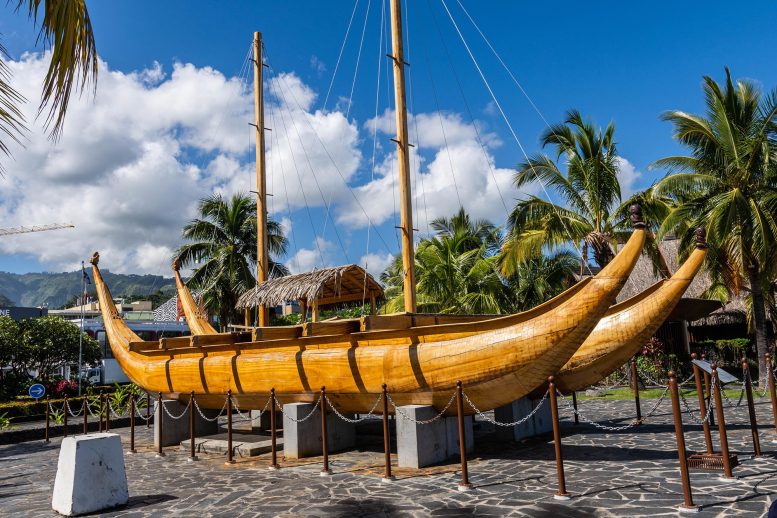
Drought and better boats triggered Polynesian migration to the Pacific
scitechdaily.com · 12 Nov 2026