Mother’s opioid treatment inspires research on infant wellbeing
Summary and headline written by AI from the source article. How we work
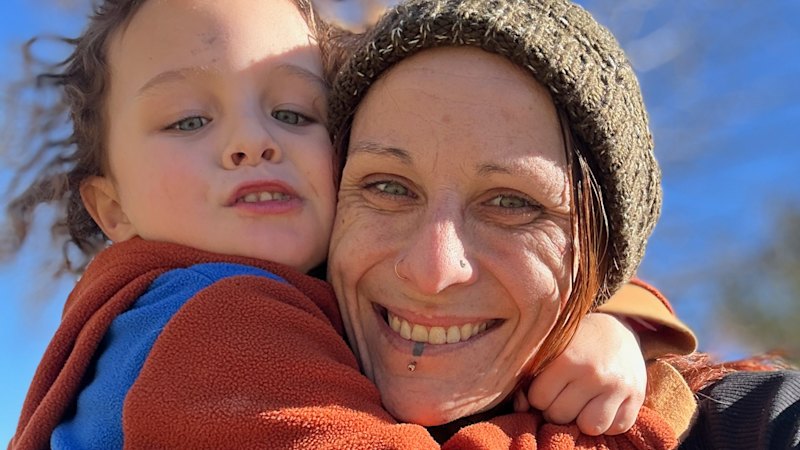
Jess Doumany of the Northern Rivers region of Australia began a methadone program to overcome heroin dependence and later became pregnant.
She found a lack of resources for pregnant women on opioid treatment and experienced a child safety notification after her son, Billy, was born with temporary withdrawal symptoms. This experience motivated Doumany to begin a PhD at UNSW to improve support for mothers and babies affected by perinatal opioid exposure, emphasizing the importance of including lived experience in research.
Researchers in Sydney and Brisbane are working to understand and address the long-term effects of opioid exposure on infants. Professor Ju Lee Oei established an early clinic prescribing methadone to newborns withdrawing from opioids, recognising that vulnerable children were often overlooked. Current research led by Associate Professor Kelly Clemens at UNSW investigates sodium butyrate, a chemical produced in the gut, as a potential treatment to mitigate the developmental and behavioural issues that can arise years after opioid exposure.
A study on rats showed that sodium butyrate lessened brain damage and improved learning and attention in pups exposed to methadone during pregnancy. While preliminary and requiring further study, these findings suggest a possible long-term treatment to support babies exposed to opioids. Researchers are collaborating with people with lived experience of drug use, like Doumany, to ensure research prioritises real-world impact and ethical standards.