Japan’s “forest bathing” reduces stress, boosts immunity
Summary and headline written by AI from the source article. How we work
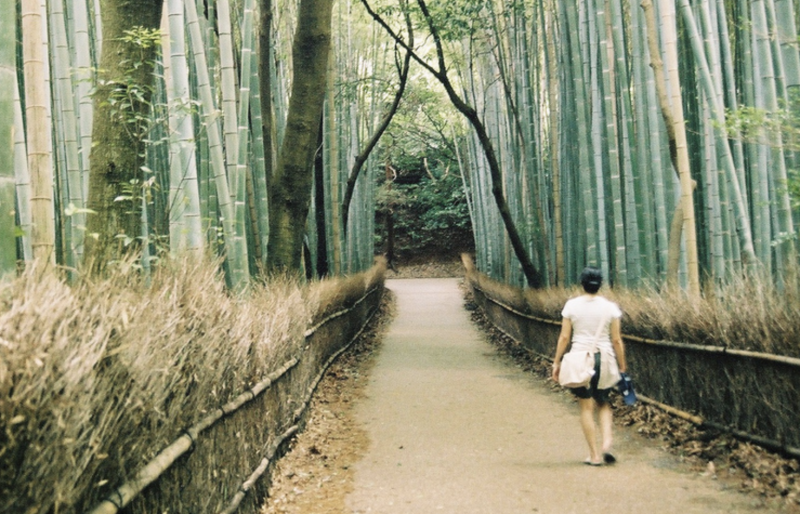
In 1982, the Japanese Ministry of Agriculture, Forestry and Fisheries coined the term shinrin-yoku, or “forest bathing”, to describe spending time in forests for health benefits.
The practice involves immersing oneself in the sights, sounds, and smells of a natural environment without strenuous activity. Researchers at Nippon Medical School in Tokyo discovered that people who spent time in forests experienced increases in natural killer cell activity, cells that fight viruses and cancers, lasting up to a month.
Chiba University in Japan also conducted experiments showing that forest bathing lowered participants’ heart rate, blood pressure, and levels of cortisol, a hormone linked to stress. Studies also indicated that forest walks reduced feelings of hostility and depression among participants. The Japanese government invested approximately four million dollars between 2004 and 2012 to study the effects of forest bathing on hundreds of people across 48 designated trails.
The concept builds on centuries-old traditions of connecting with nature, similar to practices found in Buddhism and the philosophies of figures like Henry David Thoreau. Amos Clifford, founder of the Association of Nature & Forest Therapy, encourages healthcare providers in the United States to use forest therapy as a method for reducing stress. However, advocates say people can experience the benefits of being in nature without special programs or equipment, echoing the sentiments of 19th-century naturalist John Muir.