Cannibalism and rituals uncovered in Spanish caves
Summary and headline written by AI from the source article. How we work
Archaeologists studying nearly 1,000 human bones in Spain discovered evidence of both violent conflict and ritualistic practices during the Neolithic period.
An international team examined remains from the caves of Malalmuerzo, Carigüela, and Majolicas in the Granada province of southern Spain. Researchers used radiocarbon dating and taphonomic analysis to investigate what happened to the bones after death, looking for cut marks, fractures, and tooth impressions.
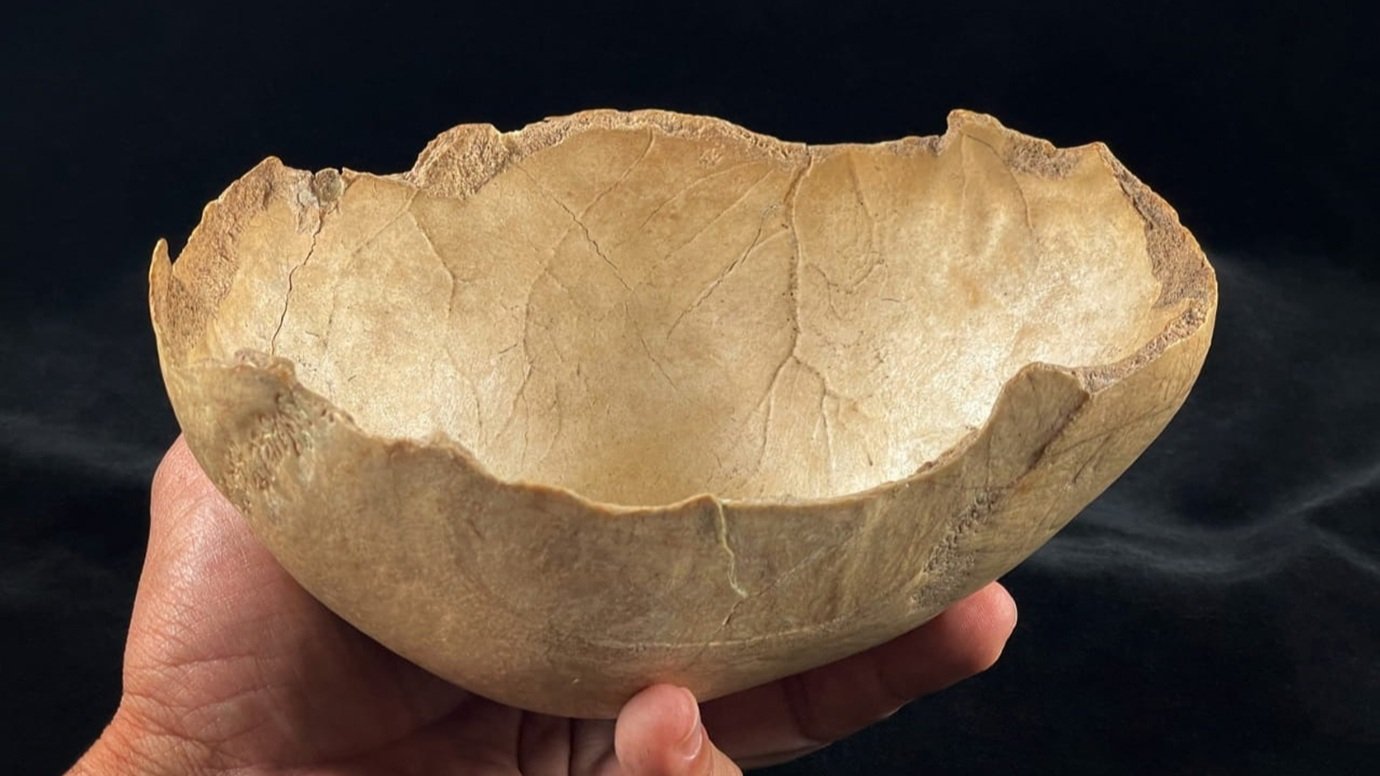
In Malalmuerzo cave, the team found strong evidence of a concentrated violent event between approximately 5300 and 4950 B.C.E., affecting infants, children, and adults. Some skeletons showed skull trauma, suggesting a group was killed before some members were possibly consumed. At Carigüela cave, researchers identified repeated processing of bodies over several phases of the Neolithic period, including the modification of two skulls into “skull cups.” The Majolicas cave contained the most recent remains, dating from around 3950 to 3760 B.C.E.
Here, bones showed less breakage and included red ochre staining, a rare mineral linked to symbolic and mortuary practices. Researchers believe this site may represent ritual treatment of the dead rather than violence. European archaeological records show that Neolithic cannibalism was not continuous but occurred during specific periods, possibly linked to social changes, conflicts, and varying attitudes toward death.