Jordanian amber is estimated to be five million years older than Lebanese amber
Headline and summary by local AI
A researcher argues that Jordanian amber is approximately five million years older than Lebanese amber based on geological formations and scientific studies.
The author uses stratigraphic assignments to distinguish the two types of amber. Research by Dani Azzar and other scientists places Lebanese amber in the Late Barremian. Aptian interval. In contrast, the researcher identifies Jordanian amber deposits as belonging to the Lower Hauterivian, which indicates an older geological age. Geological differences also support this age gap.
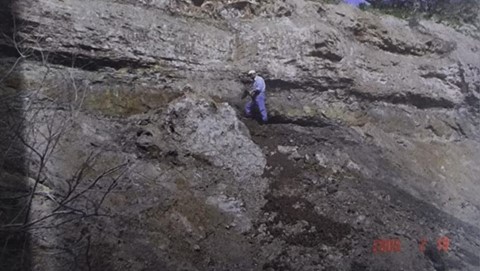
George Poinar noted that Lebanese amber appears in limestone formations. However, Jordanian amber is linked to the Kurnub Sandstone sequence and lignite-bearing deposits that sit above older Jurassic rocks. These distinct geological environments provide a framework for understanding how the different deposits formed over time. Field observations in the Zarqa River area of Jordan offer further evidence. During investigations with Professor Klaus Bandel, the researcher found Jurassic rocks containing fossil traces like Diplocraterion, Teichichnus, and Ophiomorpha.
The Jordanian amber sits in lignite-bearing layers directly above these older formations. The researcher calls for further scientific investigation and international recognition of the geological history of Jordanian amber.
Selected and summarized by local AI How we work
Discovery: Archaeology, new knowledge of art, culture and history, forgotten history uncovered, something lost restored.