Nigeria expands compressed natural gas stations to lower transport costs
Headline and summary by local AI
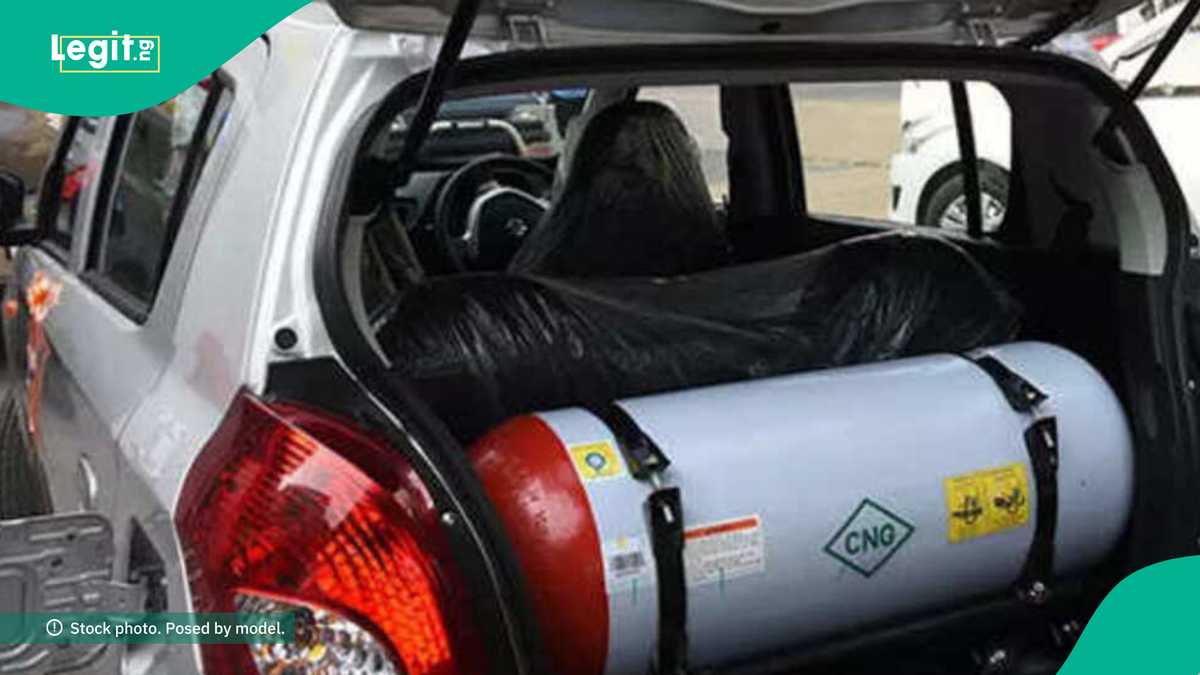
The Nigerian federal government is expanding compressed natural gas (CNG) infrastructure to reduce transportation costs for the country. Nigeria currently has 106 operational CNG stations, with an additional 170 stations under construction or awaiting regulatory approval from the Nigerian Midstream and Downstream Petroleum Regulatory Authority.
Ismaeel Ahmed, the chairman of the Presidential Initiative on CNG and Electric Vehicles, stated that private investors have committed approximately $2.6 billion to the sector. Most of these stations are privately owned.
Ahmed noted that the CNG sector is growing much faster than the conventional petrol sector, which took the country 60 years to build 24,000 stations. The government supports this expansion through policies that simplify the process for investors to build refuelling facilities. Temitope Fashedemi, the Permanent Secretary of the State House, said that adopting CNG helps Nigerians manage rising petrol prices. He stated that more refuelling stations will improve access to alternative fuels and ease pressure on current facilities.
He also noted that the Ajaokuta-Kaduna-Kano gas pipeline project will further encourage investors to build more stations. Ahmed added that while CNG buses have already lowered fares on some routes, the country needs more buses to further reduce costs. The expansion is part of a broader effort to decrease dependence on petrol and lower expenses for households and businesses.
Mubarak Umar Danbatta, the founder of Rolling Energy, said the newly commissioned facility in Karu supports the government's goal of strengthening energy security.
Selected and summarized by local AI How we work
Solutions: Technology, policy and initiatives already in use against a real problem, with results to show.
More in Solutions
Ecuador government pays private centers to provide dialysis services
elcomercio.com · 11 Nov 2026

Brazil government prepares new Indigenous land Demarcations
telesurenglish.net · 8 Nov 2026
Ghana ministry starts second batch of girls-in-ICT training in savannah region
techafricanews.com · 11 Nov 2026