Guinea trains health workers to improve pediatric tuberculosis detection
Headline and summary by local AI
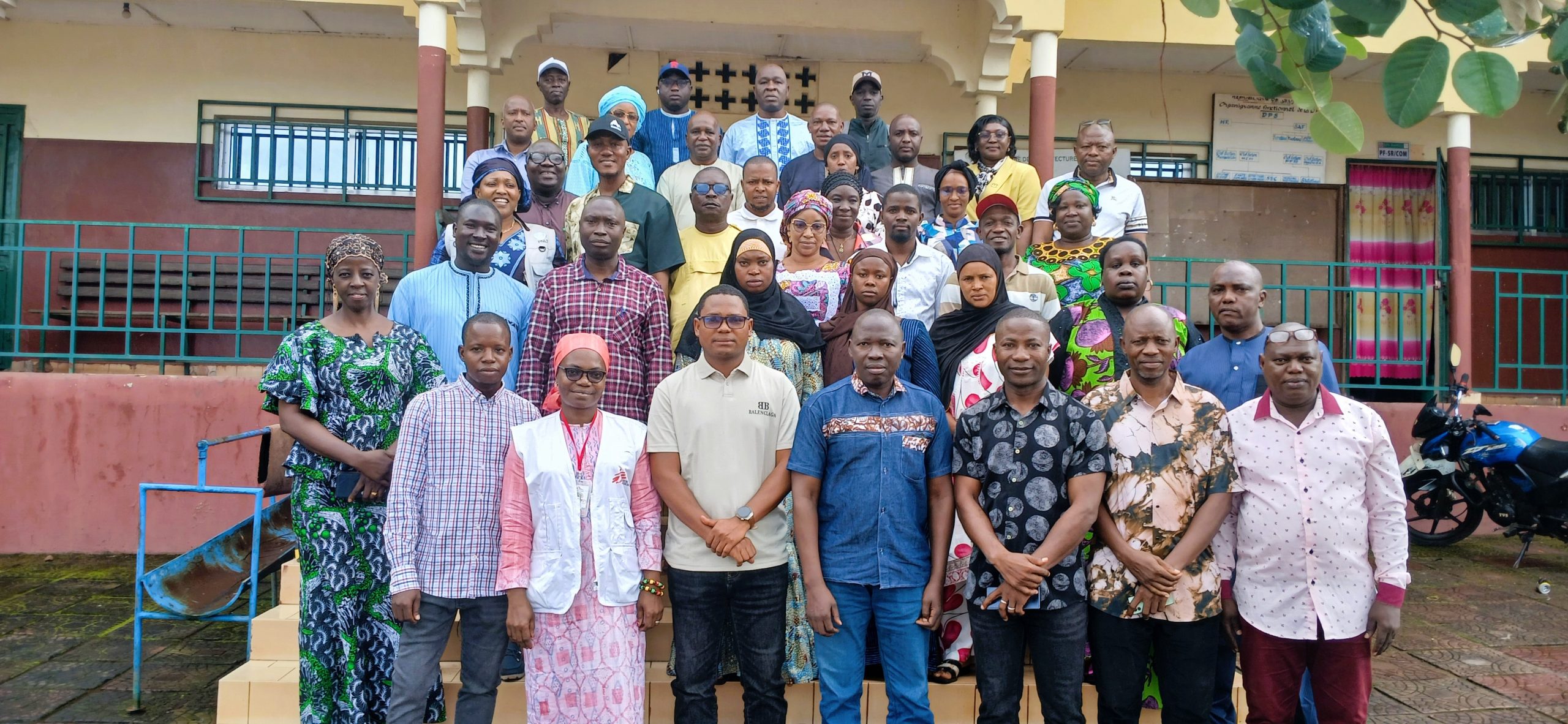
The National Tuberculosis Control Program (PNLT) and Médecins Sans Frontières (MSF) organized a training session in Mamou, Guinea, to improve the detection and treatment of tuberculosis in children.
The workshop brought together 33 tuberculosis focal points from various prefectures along with ten pediatricians to learn new diagnostic methods and management protocols. The World Health Organization estimates that nearly 26,000 people in Guinea should be diagnosed with tuberculosis every year.
However, only about 20,000 cases were reported in 2025, suggesting that thousands of cases remain undetected. Children face a particular challenge because they currently represent only 6 to 7 percent of reported cases, despite being expected to account for 10 to 15 percent of all diagnoses.
Participants learned to use new screening algorithms, including Algorithm B, which allows healthcare workers to diagnose children under ten years old based on clinical signs and symptoms even in areas where X-ray access is limited. The training also covered chest X-ray interpretation, preventive treatments, and the management of children exposed to the disease. The 33 participants will now serve as resource persons in their respective prefectures.
They are responsible for sharing these new skills with colleagues and implementing the updated diagnostic approaches in local health facilities to reduce the number of missed cases.
Selected and summarized by local AI How we work
Solutions: Technology, policy and initiatives already in use against a real problem, with results to show.