Vietnam Raises Mosquitoes to Fight Disease
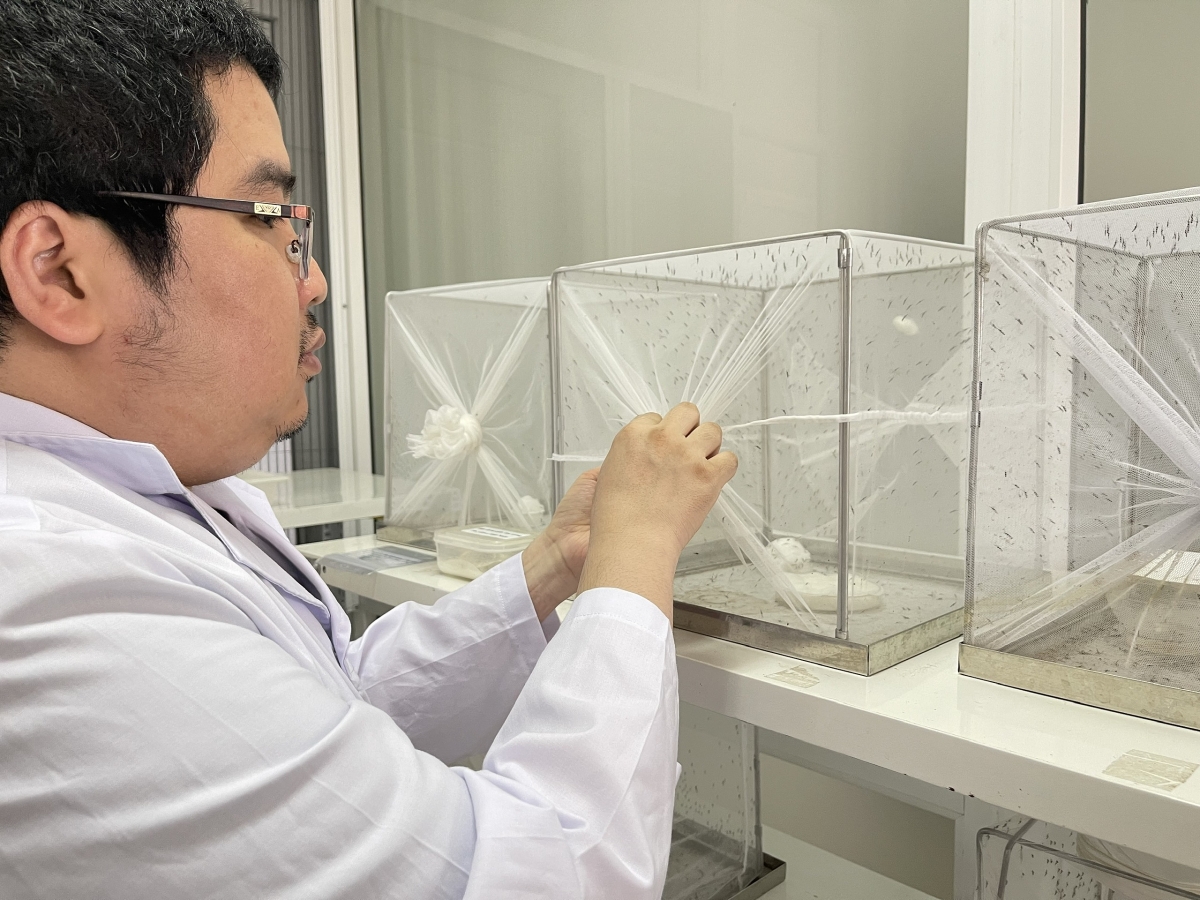
Why this is here: Researchers discovered Aedes mosquitoes, which transmit dengue fever, typically lay eggs in clean water sources like flower pots, not in dirty water or sewers.
Researchers at the Central Institute of Malaria, Parasitology and Entomology in Vietnam are raising mosquitoes as part of their work tracking and preventing dangerous diseases like malaria and dengue fever. They meticulously observe mosquito lifecycles, feeding habits, and activity levels, sometimes using human volunteers to attract the insects. This work involves detailed observation, even setting traps in remote areas like forests and animal shelters.
The team focuses on the Aedes mosquito, discovering it prefers to lay eggs in clean water sources—flower pots and discarded containers—rather than sewers. They also noted Aedes mosquitoes rest in dark corners indoors, not necessarily on walls. Vietnam has drastically reduced malaria cases from millions annually to a few hundred through decades of consistent control measures.
However, dengue fever is proving more challenging, with outbreaks occurring year-round. Vietnamese scientists are collaborating with international researchers from Japan, Australia, and Belgium to study mosquito biology and transmission. Understanding these vectors remains crucial for effective disease control.
Surfaced by the Thriving lens — one of the vital signs ovr.news reads.
How we evaluated this
AI summary
read the original for the full story — Read on vnexpress.net . How we work →