Border Wall Construction Damages Indigenous Sacred Sites
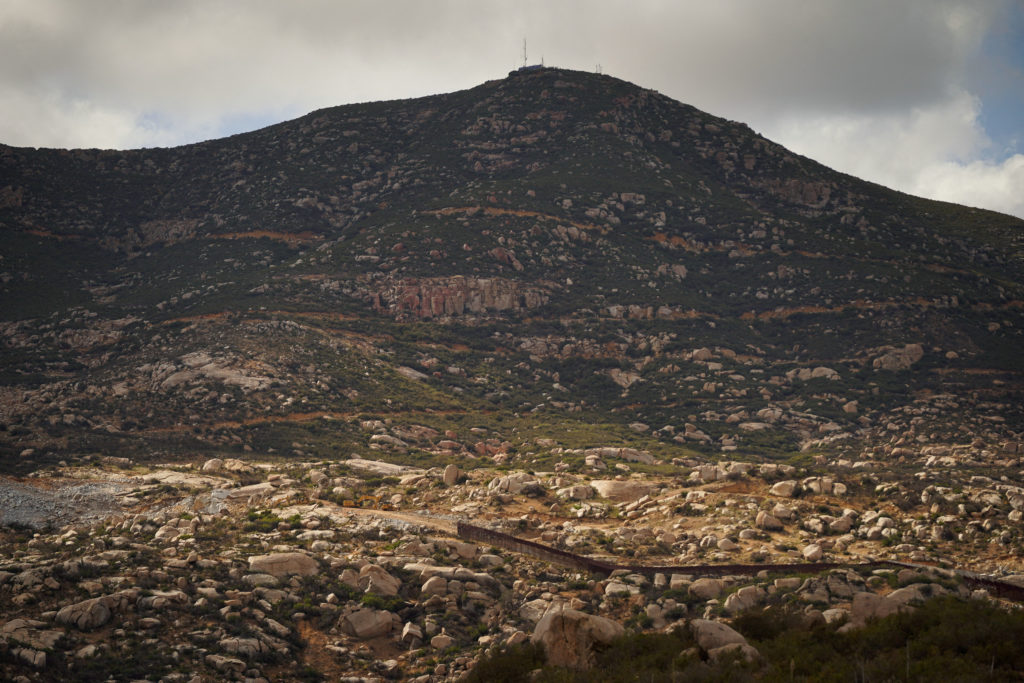
TECATE, Mexico (AP) — In California and Arizona, U.S. border wall construction is actively damaging or destroying sites of deep cultural and spiritual significance to Indigenous groups. Norma Meza Calles, a Kumeyaay Nation tribal leader, describes Kuuchamaa Mountain as a sacred place of healing, while the Tohono O'odham Nation mourns the destruction of a 1,000-year-old geoglyph.
The U.S. Department of Homeland Security waived cultural and environmental laws to expedite construction along the 1,954-mile border, resulting in blasting and bulldozing of these historically important areas.
Despite legal challenges and protests from tribal leaders, construction continues, with over 600 miles of wall already built or under contract. While CBP claims to be minimizing environmental impact and using surveillance technology in some areas, Indigenous communities report irreparable damage to their heritage and spiritual practices. The destruction extends beyond physical sites, impacting ceremonies and traditions tied to the land for generations.
The Trump administration committed over $46 billion to the border wall project, and construction continues to threaten sacred sites across the U.S.-Mexico border. Indigenous leaders are fighting to protect these areas, but face an uphill battle against federal policies prioritizing border security over cultural preservation.
TITLE: Border Wall Construction Damages Indigenous Sacred Sites
STANDFIRST: More than 600 miles of border wall have been built, destroying ancient geoglyphs and sacred mountains, despite protests from Indigenous communities.
TEXT:
TECATE, Mexico (AP) — U.S. border wall construction is actively damaging or destroying sites of deep cultural and spiritual significance to Indigenous groups in California and Arizona. Construction, expedited by waivers of cultural and environmental laws, has led to the blasting and bulldozing of sacred locations like Kuuchamaa Mountain, considered a place of healing by the Kumeyaay Nation, and a 1,000-year-old geoglyph belonging to the Tohono O'odham Nation. Despite legal challenges and protests, the Trump administration committed over $46 billion to the project, with over 600 miles of wall already built or under contract, leaving Indigenous communities to fight for the preservation of their heritage.
Surfaced by the Belonging lens — one of the vital signs ovr.news reads.
How we evaluated this
AI summary
read the original for the full story — Read on pbs.org . How we work →