Bird advocates switch to larvicide after mosquito control trial fails
Headline and summary by local AI
The Birds Not Mosquitos coalition shifted its strategy to save Hawaiʻi's native forest birds from extinction after a high-tech mosquito control method failed to produce the necessary results.
The group, which includes the Hawaiʻi Department of Land and Natural Resources, the U.S. Fish and Wildlife Service, and the U.S. Department of the Interior, initially invested in an incompatible insect technique. This method involved releasing millions of male mosquitoes infected with a bacteria that prevents females from producing viable eggs.
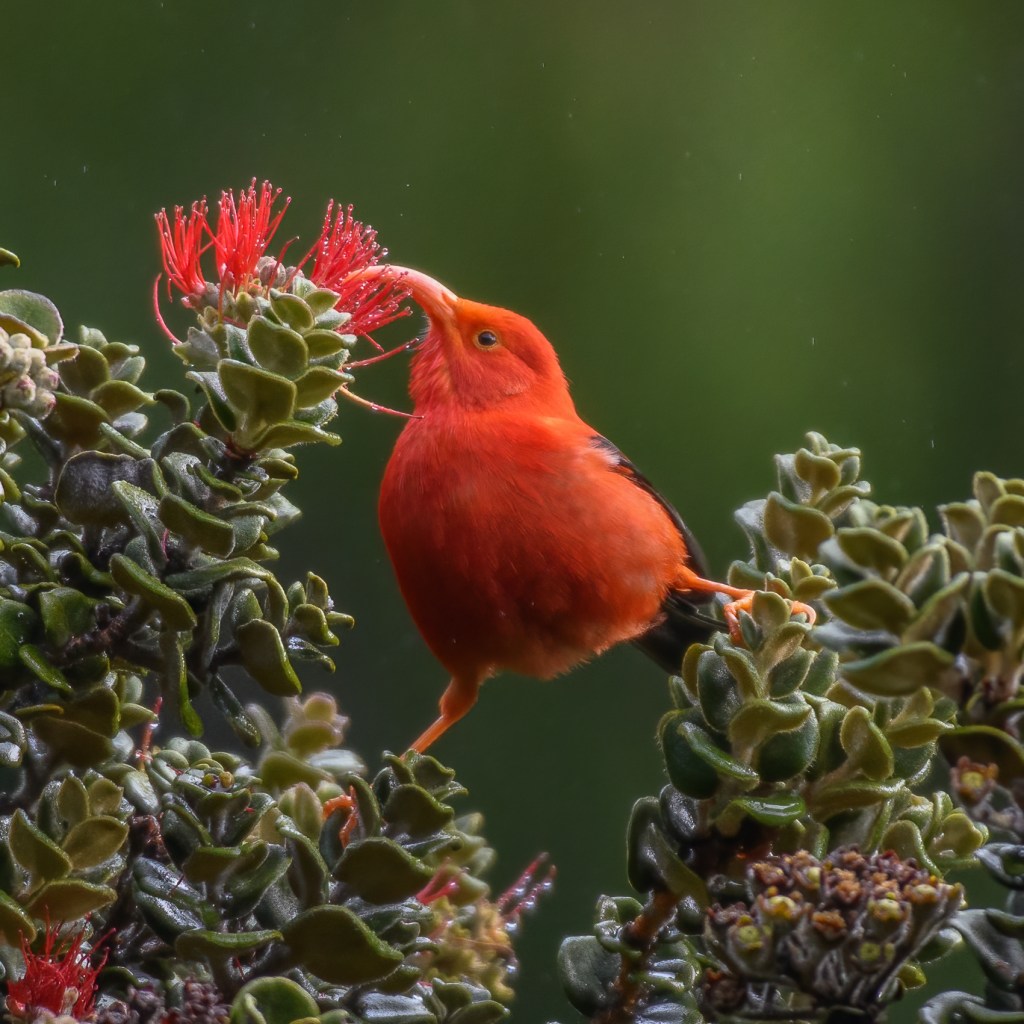
Data collected by late 2025 showed that this technique did not reduce mosquito populations enough to stop the spread of avian malaria and avian pox. These diseases have devastated honeycreeper populations, leaving only 17 of the original 50 to 60 species remaining. On Kauaʻi, a sudden 100-fold explosion in mosquito numbers last winter caused populations of the i‘iwi to plummet from 3,000 to as few as 50 birds.
The coalition is now pivoting to a more traditional larvicide called bacillus thuringiensis serovar israelensis (BTI). While BTI is more cost-effective and safe for organic farms, it requires more manual labor and heavier equipment to distribute across the landscape. The group plans to expand BTI application on Maui to 8,000 acres, but they face a funding shortage as their current budget only covers the project through 2027.
Selected and summarized by local AI How we work


