NJ Meteorite Reveals Chemistry of Early Earth
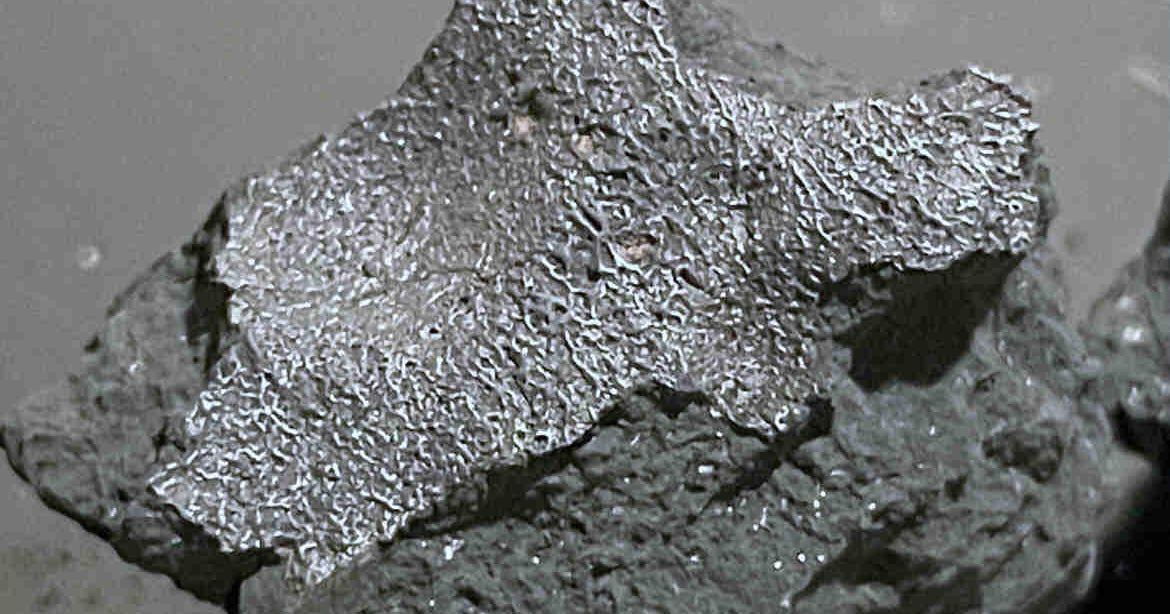
An international team of scientists determined that a meteorite which crashed into a New Jersey home in July 2024 contains prebiotic molecules and other organic compounds. The meteorite is a rare CM1/2 carbonaceous chondrite, a primitive material only observed in one other fall, making this discovery highly valuable.
Researchers found evidence the meteorite’s parent asteroid was covered in concentrated salty fluids, a brine, before breaking off, a previously unseen characteristic. These brines are believed to have created molecules crucial to life on Earth by keeping phosphate suspended and sparking chemical reactions.
The meteorite contained magnesium organic compounds and amino acids, potentially delivered to Earth via similar asteroids. The findings suggest carbonaceous chondrite meteorites may have contributed organic materials that led to life on Earth. Fragments of the meteorite will now be housed at the American Museum of Natural History in New York City.
Surfaced by the Discovery lens — one of the vital signs ovr.news reads.
How we evaluated this
AI summary
read the original for the full story — Read on cbsnews.com . How we work →