Native American women break historical barriers in tribal and state elections
Headline and summary by local AI
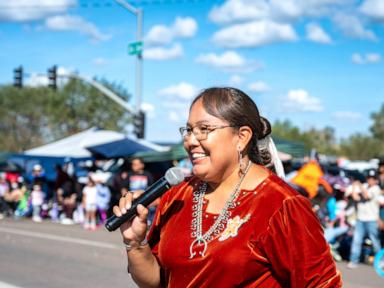
Crystalyne Curley became the first woman to serve as president of the Navajo Nation, one of the largest tribes in the United States.
This victory joined a wave of milestone achievements for Native American women in federal and state positions. Peggy Flanagan won a seat in the U.S. Senate, and Deb Haaland won her election to become the first Native American woman to serve as a state governor.
The Navajo Nation, which covers 27,000 square miles across Arizona, New Mexico, and Utah, has been led by men since its centralized government was established over a century ago. While some people believe traditional teachings bar women from such roles, others argue that the matrilineal structure of Diné society supports female leadership.
Curley plans to transition the tribe away from coal development and take a more active role in national discussions regarding federal Indian policy when she takes office in January. Other Native Americans also secured positions in the U.S. Congress. Claire Valdez and Sean McCann became the first Native Americans elected to represent their respective states in Congress, while Sharice Davids and Josh Brecheen won reelection to their House seats.
These victories follow decades of political organizing aimed at increasing Native women's representation in formal political power.
Selected and summarized by local AI How we work