Nolan's *Odyssey* Shifts Focus From Gods to Humanity
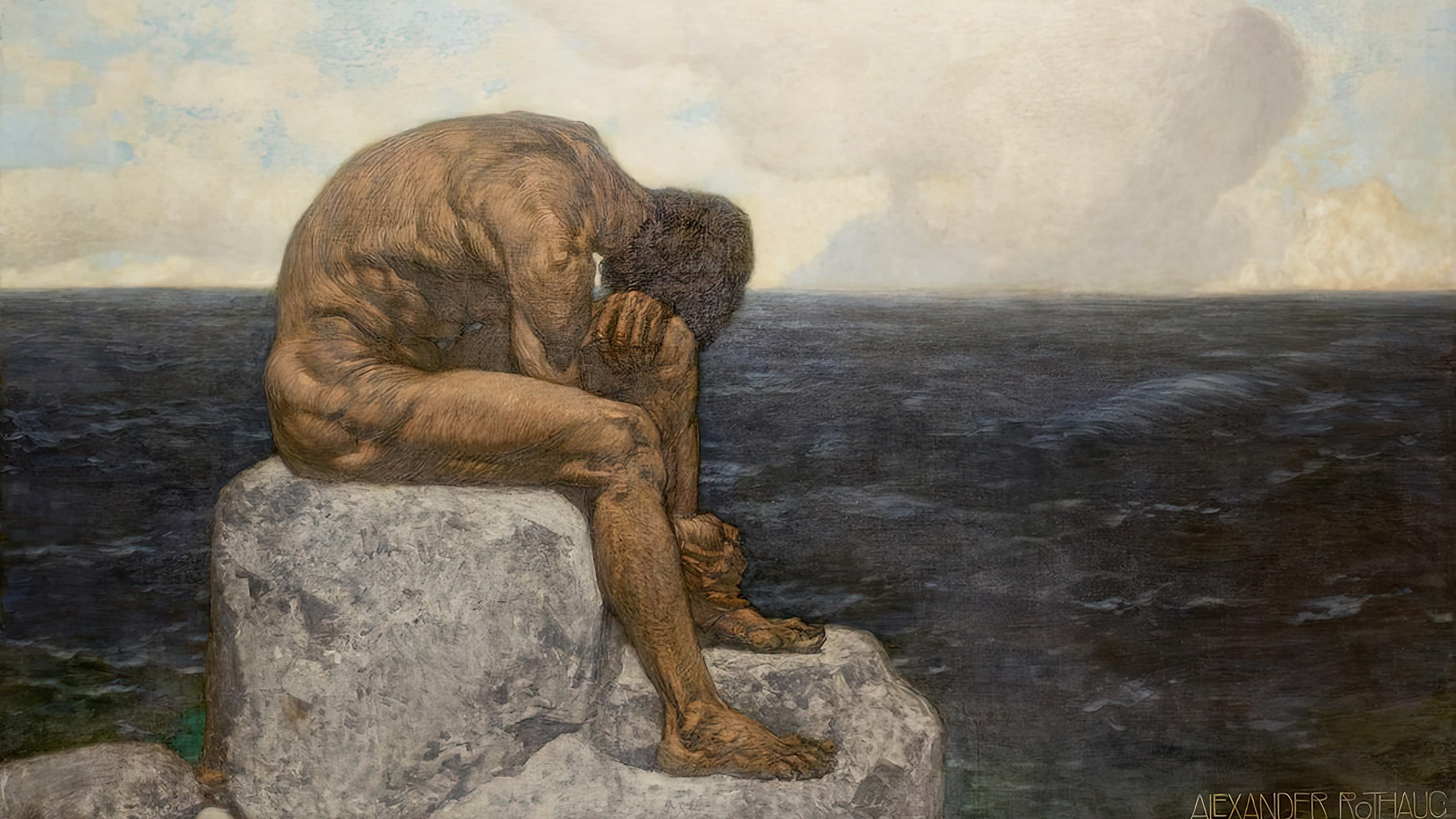
Christopher Nolan’s film adaptation of The Odyssey prioritizes the human struggles of Odysseus, Telemachus, and Penelope, downplaying the role of the Greek gods. Nolan began the script by recalling what he remembered of the poem, focusing on the characters’ personal journeys rather than divine intervention. The film presents the gods as representing forces outside of human control, emphasizing personal responsibility and moral choices in the face of overwhelming danger.
Nolan’s interpretation frames Odysseus’s actions, such as devising the Trojan Horse, with a modern moral lens, depicting the consequences of war and the weight of leadership. The film portrays Athena not as a manipulative deity but as a manifestation of Odysseus’s conscience. Some critics have noted the film's contemporary themes, including potential parallels to modern geopolitical conflicts, while others see it as a psychologically modern take on a classic hero grappling with trauma.
The adaptation seeks to highlight the enduring human desire for home, stability, and meaningful connection in a world often defined by chaos and unpredictability.
Surfaced by the Discovery lens — one of the vital signs ovr.news reads.
How we evaluated this
AI summary
read the original for the full story — Read on theatlantic.com . How we work →