Florida restores oyster reefs by recycling shells
Summary and headline written by AI from the source article. How we work
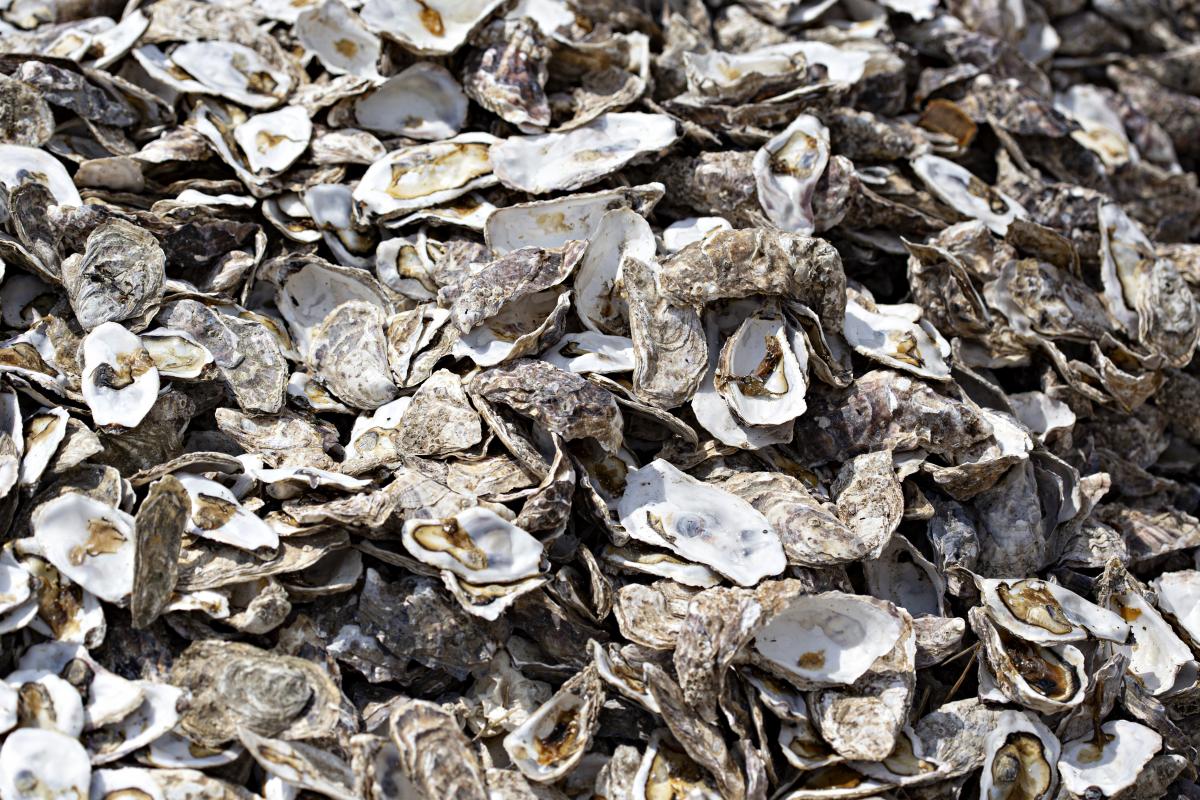
Florida authorities have released over 500,000 tons of used oyster and mollusk shells into the Gulf of Mexico since 2007. Instead of disposing of the shells in landfills, the state returned them to the water, triggering a natural recovery of oyster reefs and improving water quality.
Local oyster populations had declined by 85% or more due to overfishing, storms, and the Deepwater Horizon oil spill, severely impacting Apalachicola Bay, once a major oyster source.
The discarded shells provide a foundation for new reefs. Young oysters naturally attach to existing shells, accelerating reef growth and creating habitats for other marine life like crabs, shrimp, and fish. A single oyster can filter up to 50 gallons of water daily, reducing algae and excess nutrients, while reefs also protect shorelines by reducing wave energy by 76 to 99%.
Florida is now seeing signs of ecosystem recovery, with limited oyster harvesting resuming in Apalachicola Bay in January 2026 after a five-year pause. The state created 77 acres of new reef in 2024 and aims to restore 2000 acres by 2032, though experts caution that full habitat recovery will take decades.