Scientists identify new giant bird species from Indonesia
Headline and summary by local AI
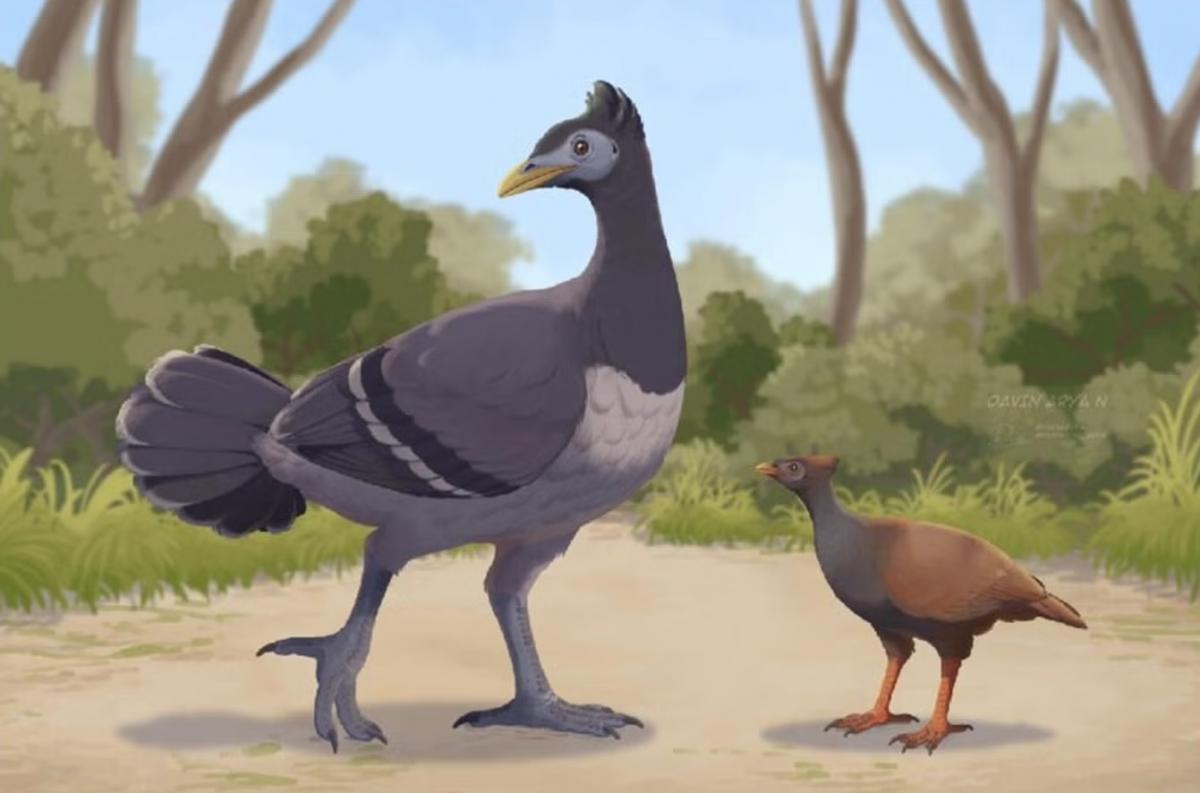
Paleontologists identified a previously unknown species of giant bird, named Megapodius rokusi, from a fossilized bone found in a cave on the Indonesian island of Flores.
The fossilized bone was originally excavated in 2009 from the Liang Bua cave, located about seven meters below the cave floor. This site is famous for housing the remains of Homo floresiensis, a species of ancient humans known as "hobbits" because they stood only about 107 centimeters tall.
The new bird species lived on the island during the same period as these small humans, alongside other unique fauna like pygmy elephants and giant cranes. Hanneke Meyer from the University Museum of Bergen and her colleagues conducted a detailed study of the remains after the bone sat largely unnoticed for 17 years. They identified the bone as the lower part of a right tarsometatarsus, which connects to the bird's toes.
The researchers found unique anatomical features, such as specific joint shapes and a distinct groove, that do not appear in any other known modern or extinct members of the megapode group. Megapodes are ground-dwelling birds that use underground burrows or soil mounds to incubate their eggs using the earth's heat. Scientists estimated the fossil is between 120,000 and 190,000 years old.
Based on the size of the leg bone, experts calculated that the bird weighed approximately 3.9 kilograms, making it much larger than its closest modern relatives on Flores.
Selected and summarized by local AI How we work
Discovery: Archaeology, new knowledge of art, culture and history, forgotten history uncovered, something lost restored.