Archaeologists discover 1,500-year-old cemetery with swords and gold in France
Headline and summary by local AI
Archaeologists from the National Institute for Preventive Archaeological Research of France discovered a cemetery dating back to the second half of the 5th century in Horbourg-Wihr, a town near Colmar in the Alsace region of France.
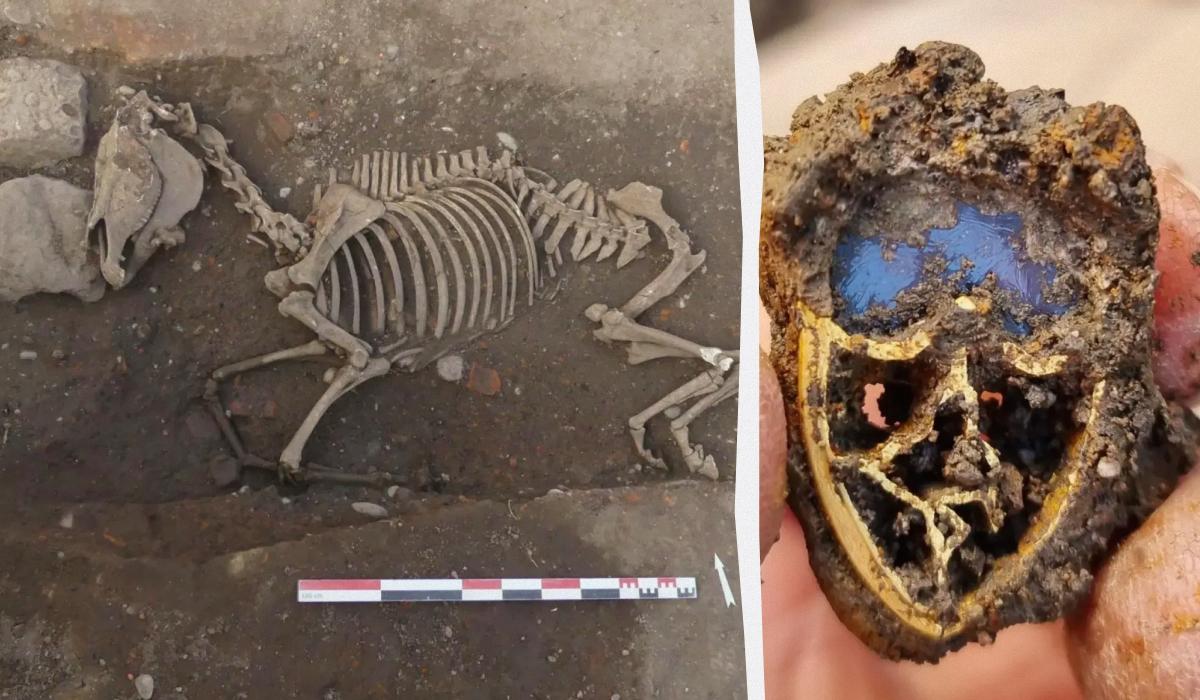
The site contains 14 human graves and two horse burials, providing evidence of how local communities lived and organized themselves during the decline of the Western Roman Empire.
The researchers found evidence of social inequality within the community, as some graves contained high-status items like swords, shields, and jewelry. Two male burials included long one-edged knives, shields, and weapons decorated with gold, silver, and garnet inlays. Two female burials featured gilded silver brooches, bird-shaped pins, and glass beads. The presence of two horses buried with harnesses suggests that horses played a key role in the military identity and social status of the people in the area.
Analysis of the skeletal remains revealed that some individuals suffered from chronic health issues, including poorly healed fractures. More notably, researchers found evidence of fatal wounds from bladed weapons on two individuals. Because these injuries showed no signs of healing, the team believes these people died shortly after being struck. These findings suggest that the weapons in the graves might represent actual military activity rather than just symbols of wealth.
The cemetery sits near the Rhine, a river that served as a vital military and economic border for the Roman Empire. The site also contains the remains of an older Roman settlement from the 1st century, with archaeological layers reaching over 1.5 meters thick. Scientists say the find is important because there is a shortage of 5th-century archaeological sites that document the lives of Germanic communities in Alsace.
Selected and summarized by local AI How we work
Discovery: Archaeology, new knowledge of art, culture and history, forgotten history uncovered, something lost restored.