China Fossil Find Reveals Rare Pterosaur Embryos
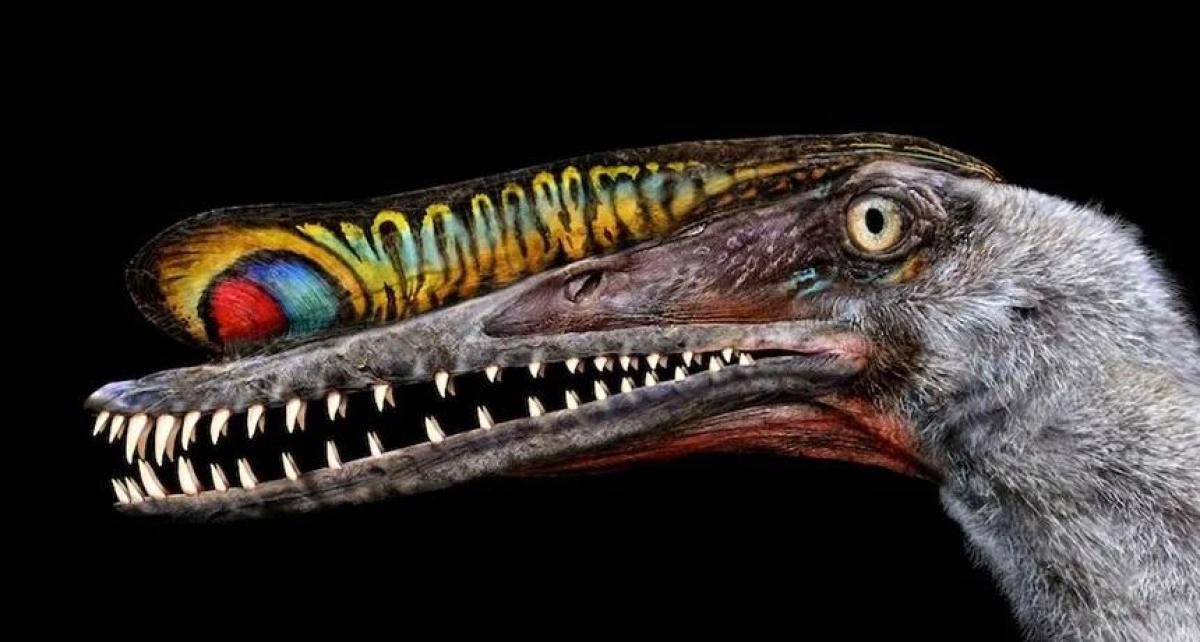
Paleontologists in China have uncovered at least 215 fossilized eggs belonging to Hamipterus tianshanensis, a flying reptile from the early Cretaceous period, around 120 million years ago. The eggs were discovered within a 3.28 square meter sandstone block containing a hidden network of tunnels beneath a stone city.
Sixteen of the eggs contain partial embryos, with some preserved in three dimensions, a rare find given the typically fragile nature of pterosaur eggs. Pterosaur eggs are historically rare due to their thin, soft shells, unlike the hard shells of dinosaur or bird eggs.
This discovery is unusual because the eggs were found densely packed together, suggesting they were rapidly buried by floodwaters, preserving them from decay. Researchers used CT scanning to analyze the embryos, finding that leg bones were more developed than wing muscles, indicating the hatchlings may have walked before they could fly.
The sheer number of eggs allows for population-level analysis, shifting pterosaur research beyond isolated case studies. Excavation at the site continues, with the potential for further discoveries.
Surfaced by the Discovery lens — one of the vital signs ovr.news reads.
How we evaluated this
AI summary
read the original for the full story — Read on unian.net . How we work →