Diplodocus dinosaur found in Spain challenges North American origins
Summary and headline written by AI from the source article. How we work
Researchers in Spain discovered remarkably well-preserved fossil remains of a Diplodocus dinosaur in the Teruel province, eastern Spain.
Until now, paleontologists had only found Diplodocus, a long-necked sauropod, in the Morrison Formation of the western United States. The Spanish find includes 14 tail vertebrae and numerous other bones, dating back approximately 150 million years. This discovery provides strong evidence that dinosaurs traveled between North America and Europe during the Late Jurassic period.
Scientists believe animals could have crossed the ocean via temporary land bridges that formed when the proto-Atlantic Ocean’s waters receded. The find also improves understanding of the variety of sauropods that lived in Europe during the Jurassic period. Sergio Sánchez Fenollosa, a study author, stated that the excavation results are among the most convincing paleontological proofs of faunal dispersal and exchange between the two continents across the proto-Atlantic Ocean.
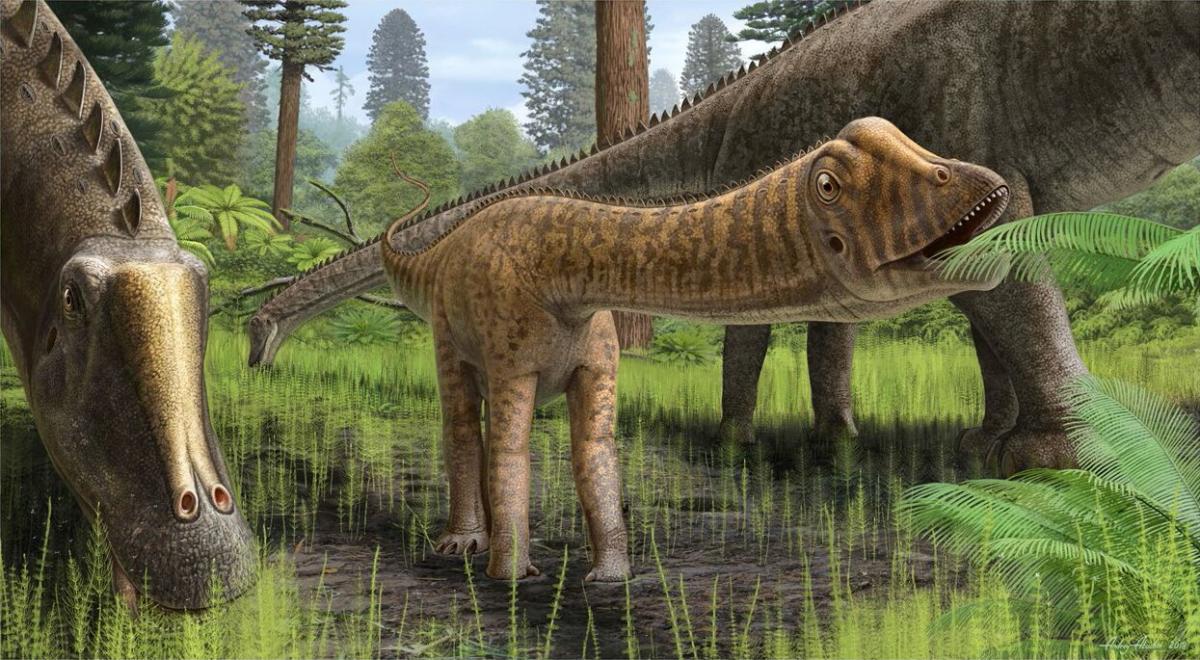
The Spanish Diplodocus reached around 25 meters in length, similar to its North American relatives, and exhibited distinct anatomical features like air-filled cavities in the vertebrae. Researchers classified the specimen as a close relative of Diplodocus hallorum after comparing its anatomy to other sauropods. The fossil is currently on display at the dinosaur hall of the Paleontology Museum of Aragon in Dinopolis, Teruel, alongside other sauropod discoveries from the area like Turiasaurus and Losillasaurus.


