Researchers use computer tomography to unlock a 400 year old shipwreck lock
Headline and summary by local AI
Researchers from Amgueddfa Cymru and Cardiff University used micro-computer tomography to unlock an ancient brass lock found on the coast of Wales.
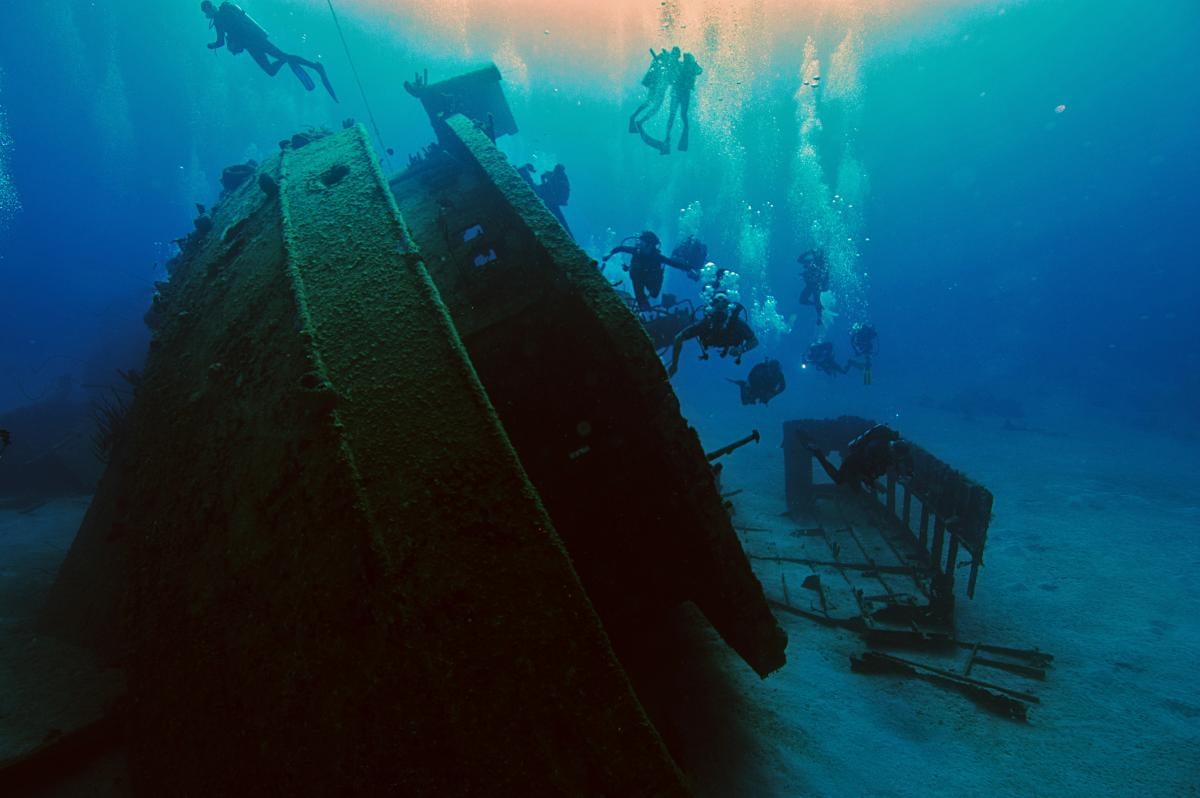
The lock had remained buried in the sand for nearly 400 years after it fell from a shipwreck. The artifact first appeared in 1999 when a metal detectorist named Peter Hughes found it near Margam in Port Talbot. The lock originated from the ship "Anne Francis," which sank during a storm in December 1583 while returning from Spain.
Hughes spent 21 years searching the beach and spent approximately 20 years attempting to open the lock himself without success. He found the lock alongside Spanish silver coins and weights used for weighing coins. Scientists used three scans to see inside the mechanism and identify the letters. They discovered that the lock featured four movable rings, each containing six letters, creating 1296 possible combinations. The researchers determined the correct four-letter code was ANCE.
The lock was in exceptional condition, which allowed the team to see how the internal parts still functioned after centuries under the sand. Peter Hughes donated his collection of artifacts to Amguedf Cymru in 2017. The museum displayed the items, including the lock, at the Swansea Waterfront Museum in June 2026. While the team successfully opened the mechanism, the original contents of the chest or box the lock once secured remain unknown.
Selected and summarized by local AI How we work
Discovery: Archaeology, new knowledge of art, culture and history, forgotten history uncovered, something lost restored.
More in Discovery

Researchers rediscover rare water shrew in Ethiopia
ct24.ceskatelevize.cz · 11 Nov 2026

Christopher Schwarz promotes Roman workbenches through experimental archaeology
blog.lostartpress.com · 9 Nov 2026
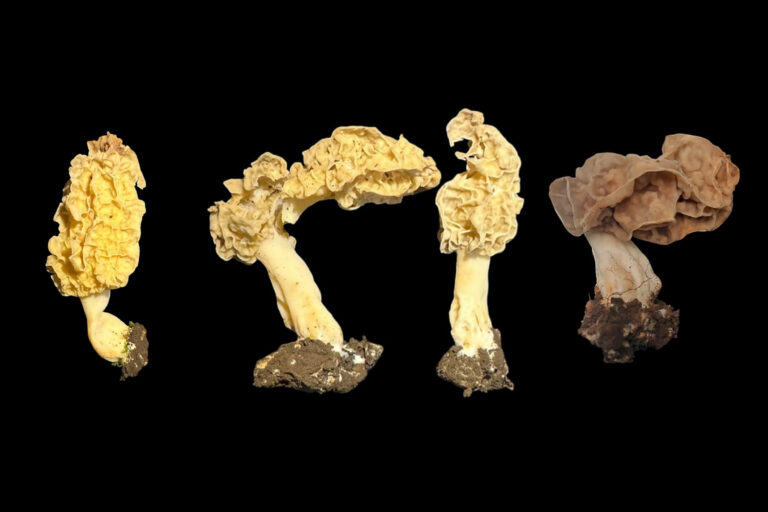
Scientists identify new tropical morel mushroom species in Indonesia
mongabay.co.id · 10 Nov 2026